The Framework for Sustainable Family Hospitality: Sourcing and Managing Eco-Luxury Lodging in Bali
The global hospitality industry has undergone a structural pivot toward environmental accountability, with Bali serving as a primary incubator for sustainable architecture and low-impact tourism. For a family of four, balancing the operational prerequisites of safety and space with the desire for high-end, ecologically sound lodging requires a systematic screening process. True eco-luxury properties move past superficial “greenwashing” by integrating certified engineering frameworks—such as off-grid energy grids, biophilic bamboo designs, and closed-loop permaculture food systems—while providing the physical comfort expected of premium accommodations.
Navigating this market affordably requires a detailed understanding of regional dynamic pricing, local room configurations, and the structural trade-offs between remote wilderness lodges and accessible resort corridors. This guide offers an objective, textbook-quality blueprint for analyzing, budgeting, and managing family vacations at affordable eco luxury resorts in bali for a family of four. Readers will learn to evaluate third-party sustainability certifications, mitigate structural safety risks for children, manage ancillary travel expenses, and log environmental metrics to ensure a highly responsible travel experience.
Overview of Eco-Luxury Family Hospitality in Bali
Understanding how to source affordable eco luxury resorts in bali for a family of four requires defining the operational parameters of sustainable premium lodging. In the context of contemporary Indonesian hospitality, an eco-luxury resort is an upscale property that pairs high-end amenities—such as plunge pools, organic dining, and wellness facilities—with verified low-impact infrastructure. These properties minimize their ecological footprints through carbon-neutral building practices, localized water treatment loops, zero-waste supply lines, and structural preservation of the surrounding landscape.
Families frequently target these properties to escape the high-density, high-traffic commercial zones of southern Bali, seeking instead to immerse children in natural ecosystems and Balinese cultural traditions. The primary operational challenge for a family of four is finding accommodations that provide sufficient square footage (such as two-bedroom configurations or connecting pavilions) without scaling into cost-prohibitive ultra-luxury pricing brackets. By focusing on mid-tier independent eco-lodges, soft-brand sustainable retreats, and shoulder-season timing windows, families can capture five-star environmental and service quality at manageable price points.
Primary Property Typologies and Structural Frameworks
Bali’s sustainable premium lodging sector features distinct architectural models, each adapted to specific geographic microclimates. The structural layout of these properties dictates their suitability for families based on the ages and mobility of their children.
Structural Typology Matrix
| Category / Type | Description | Common Use Case | Time / Cost / Effort Level |
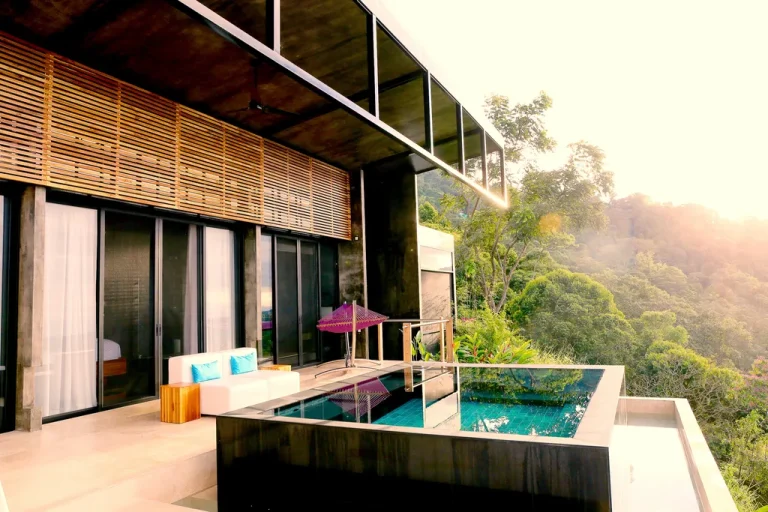
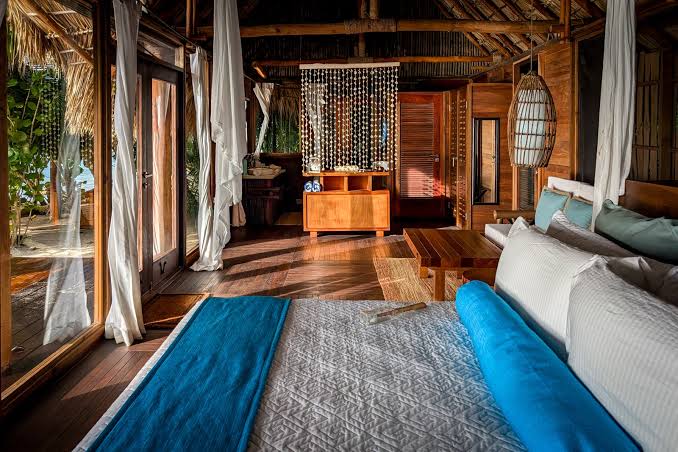
| Biophilic Bamboo Pavilions | Hyper-engineered, multi-story open-air structures constructed from local iron-bamboo, operating on passive ventilation. | Jungle and river valley stays focusing on low-impact structural immersion. | High Search Time / Medium-High Cost / Moderate Effort |
| Repurposed Historic Joglos | Reassembled antique Javanese timber merchant homes set within active permaculture and rice-farming estates. | Cultural and agricultural stays prioritizing historical preservation and large family footprints. | Moderate Search Time / Medium Cost / Low Daily Effort |
| Off-Grid Mountain Lodges | Remote wood-and-stone bungalows powered by local hydro-turbines and solar arrays, located in cooler high-altitude regions. | Nature trekking and climate relief away from the hot, humid coastal plains. | High Search Time / Low-Medium Base Cost / High Travel Effort |
| Certified Coastal Eco-Resorts | Low-density waterfront developments holding formal third-party green certifications, using low-flow graywater systems. | Beach-focused vacations requiring marine education, kids’ clubs, and predictable room configurations. | Low Search Time / High Base Cost / Low Planning Effort |
Selecting the Proper Typology
Choosing between these formats requires balancing child development stages with regional weather patterns. Biophilic bamboo pavilions offer exceptional spatial layouts for older children but present climbing and open-clearance hazards for toddlers. Repurposed historic joglos generally feature single-story, step-free layouts with wide wrap-around porches, making them structurally safer for younger children. Off-grid mountain lodges eliminate the need for heavy air conditioning due to the higher elevation, but they require longer transit times, which can cause logistical friction during family transfers.
Practical Scenarios and Regional Applications
Reviewing specific regional applications demonstrates how families can source affordable eco luxury resorts in bali for a family of four across the island’s diverse topographies.
Scenario 1: The Highland Permaculture Immersion
A family of four seeks an extended stay in the central volcanic highlands, focusing on agricultural systems, traditional crafts, and low-impact river recreation.
-
Step-by-Step Selection Process:
-
Target independent eco-lodges situated along the slopes of Mount Batukaru or the Sidemen Valley.
-
Filter properties for two-bedroom family bungalows constructed from sustainably harvested local timber or stone.
-
Verify that the resort features an active garden-to-table dining framework where all meals are included or priced locally.
-
Confirm that swimming facilities consist of chemical-free, spring-fed natural rock pools rather than chlorinated concrete tanks.
-
-
Key Components: On-site permaculture beds, micro-hydro power sources, spring-water tap filtration, guided forest trekking paths.
-
Representative Areas: Tabanan Regency, Sidemen Valley, or Bedugul perimeters.
Relevance of the Highland Scenario
Highland stays offer built-in cost advantages. The cooler high-altitude climate naturally eliminates the heavy electricity bills associated with running commercial air conditioning units. This allows off-grid lodges to pass operational savings along to guests via lower room rates, while providing an educational environment where children can interact directly with sustainable food systems.
Scenario 2: The Valley Bamboo Canopy Stay
A family wants to experience Ubud’s river valleys, prioritizing innovative bamboo design and proximity to cultural arts, while managing their overall budget.
-
Step-by-Step Selection Process:
-
Map out independent bamboo retreats located in the Sayan or Tegallalang districts that feature dedicated family suites or double-pavilion configurations.
-
Review the property’s architectural cooling design to ensure specialized bed-canopy cooling systems are installed to minimize daytime power draws.
-
Confirm the presence of natural perimeter barriers (such as living green walls or dense foliage fences) to keep children contained safely.
-
Book directly through the resort’s local platform to capture bundled family workshop packages (e.g., traditional bamboo weaving or organic soap making).
-
-
Key Components: Structural bamboo engineering, localized graywater recycling loops, vegetation-biofiltered swimming holes, cultural workshop spaces.
-
Representative Areas: Sayan valley margins, Bongkasa rural pockets, or north Ubud river corridors.
Relevance of the Valley Scenario
Ubud’s river valleys host some of the world’s most innovative biophilic architecture. Sourcing independent boutique bamboo properties within this corridor gives families access to world-class design movements at a fraction of the cost of large corporate luxury resorts, while placing them close to central Bali’s cultural arts hubs.
Scenario 3: The Sustainable Coastal Marine Reserve Base
A family requires a waterfront vacation focused on marine conservation, reef restoration, and coastal preservation, avoiding high-density tourist centers.
-
Step-by-Step Selection Process:
-
Search for low-density coastal eco-resorts located within or immediately adjacent to protected national marine parks.
-
Filter for properties that ban single-use plastics from all operations and mandate the use of certified reef-safe biodegradable sunscreens.
-
Select family-sized eco-villas built behind primary sand dunes, utilizing raised timber boardwalks to prevent coastal erosion.
-
Ensure all provided marine recreation gear (such as sea kayaks or snorkeling equipment) is strictly non-motorized to protect marine life.
-
-
Key Components: Raised timber boardwalk paths, solar-powered water desalination loops, community-led coral nursery access, non-motorized water craft.
-
Representative Areas: West Bali National Park, Pemuteran coastal strip, or tranquil pockets of the East Coast (Candidasa perimeters).
Relevance of the Coastal Scenario
Coastal eco-resorts provide a sustainable alternative to high-density beach destinations. By choosing properties that actively rebuild coral reefs and manage waste responsibly, a family’s travel budget directly funds local marine conservation work, while children gain a practical education in marine biology.
Scenario Comparison
The Highland scenario prioritizes off-grid energy self-sufficiency and agricultural education, which suits active families looking for outdoor exploration. The Valley Bamboo scenario focuses on architectural innovation and cultural connection, placing families close to urban amenities. The Coastal scenario balances beach relaxation with marine science, offering flat, accessible layouts that are logistically easier for families handling water sports gear and sun schedules.
Planning, Budgeting, and Ancillary Value Optimization
Operating a sustainable property off-grid involves specialized engineering overhead, including solar battery upkeep and permaculture management. However, by selecting independent properties and avoiding high-traffic resort centers, families can optimize their total travel spend.
Sample Family Eco-Luxury Budget & Value Framework
Note: The figures, allocations, and optimization percentages provided below are illustrative examples for a family of four (two adults and two children under twelve) over a six-night stay in Bali. Actual costs vary by season, location, and global currency fluctuations.
| Category | Estimated Allocation | Explanation | Optimization Tips |
| Eco-Suite / Family Pavilion | $150 – $350 / night | A verified two-bedroom layout or interconnected eco-pavilion featuring local sustainable design materials. | Book during the shoulder-season windows (e.g., April–May or September–October) when rates drop by 30–40%. |
| Garden-to-Table Dining | $60 – $120 / day | Organic, estate-grown breakfasts, lunches, and dinners for the entire family of four. | Opt for full-board or half-board packages at booking; independent eco-lodges price these options lower than standard ala carte resort menus. |
| Eco-Educational Programming | $20 – $50 / day | Guided wildlife tracking, organic farm workshops, or traditional craft classes for children. | Look for properties that bundle daily kids’ club conservation workshops directly into the base room rate. |
| Sustainable Local Transit | $40 – $70 / transfer | Private transfers using verified local community drivers, avoiding high-commission global ride apps. | Arrange all arrival and departure transits directly through the resort’s front desk to support local village cooperatives. |
| Environmental Security Hold | $100 – $250 (Refundable) | A standard temporary credit card authorization hold to ensure adherence to zero-waste frameworks. | Review the property’s sustainability rules with children before check-in to prevent accidental landscape or resource damage. |
Evaluation Strategies and Verification Methods
To ensure a Balinese property is legitimately sustainable rather than simply using eco-friendly labels for marketing, families can deploy four straightforward evaluation strategies.
1. Verification via Accredited Certification Registries
-
What it is: Cross-referencing the property’s credentials against international green hospitality auditing bodies accredited by the Global Sustainable Tourism Council (GSTC), such as Green Key, EarthCheck, or Green Globe.
-
Advantages: Guarantees that the hotel’s energy footprints, wastewater treatment loops, and labor standards are independently checked.
-
Disadvantages: Many small-scale, highly authentic family eco-lodges cannot afford the administrative fees for formal international audits despite running excellent green operations.
2. Analysis of Building Material Origins
-
What it is: Reviewing the property’s architectural disclosures to check the percentage of renewable local materials (such as bamboo, local volcanic stone, or reclaimed teak wood) used in construction.
-
Advantages: Confirms the structural integrity of the site and ensures that building the resort did not require high-carbon heavy transport or widespread concrete clearing.
-
Disadvantages: Requires reading through architectural design notes or directly messaging the property managers.
3. Review of Closed-Loop Water Frameworks
-
What it is: Checking how the property handles water usage, specifically ensuring it uses graywater filtration fields, sub-surface irrigation, and natural bio-filters for pools instead of commercial chlorine systems.
-
Advantages: Guarantees that the property does not deplete local water tables or pollute nearby agricultural channels used by local rice farmers.
-
Disadvantages: Natural water systems can be sensitive to heavy rainstorms, which may occasionally cause temporary discoloration.
4. Evaluation of Community Labor Integration
-
What it is: Checking the resort’s operational charter to verify that at least 80% of staff are hired from adjacent traditional villages (banjars) under fair-wage and local benefit frameworks.
-
Advantages: Ensures your travel funds directly support the local community, which leads to authentic, unscripted cultural interactions for your family.
-
Disadvantages: Communication styles can be more relaxed and informal than the rigid corporate scripts used by international chain hotels.
Operational Risks, Challenges, and Environmental Mitigation
Staying at an authentic, low-impact eco-resort means living closer to nature. Families must prepare for specific operational differences that do not occur in conventional corporate high-rises.
Managing Insect and Wildlife Dynamics
-
The Issue: Open-air biophilic architecture and permaculture gardens naturally create habitats for tropical insects, geckos, and local wildlife, which can startle children used to sealed hotel rooms.
-
Prevention Advice: Ensure that all beds are fitted with high-density, ceiling-mounted mosquito netting that is tucked under the mattress before sunset. Use the organic, citronella-based insect repellents provided by the resort, and educate children not to leave lights on inside sleeping areas at night.
Navigating Open Architectural Footprints
-
The Issue: Sustainable bamboo pavilions often incorporate elevated split-level floors, open-air stone bathrooms, and low perimeter railings designed to maximize airflow, presenting tripping or falling hazards for young children.
-
Prevention Advice: Review structural room layouts thoroughly before booking. Request ground-floor units or historic timber joglos that feature flat, enclosed layouts, and clearly outline safety boundaries to children upon arrival.
Adapting to Off-Grid Energy Parameters
-
The Issue: Properties powered by solar microgrids or hydro-turbines often cap total peak wattage per room. Using high-wattage personal appliances (like hair dryers or bottle warmers) can trip the circuit breakers.
-
Prevention Advice: Leave heavy, high-wattage personal electronics at home. Charge essential devices during peak daylight hours when the solar panels are actively producing electricity, and utilize the low-energy cooling systems provided by the resort.
Adhering to Strict Zero-Plastic Mandates
-
The Issue: Authentic eco-resorts do not stock single-use plastic water bottles, packaged snacks, or disposable toiletries. Families arriving without reusable gear may find it inconvenient to manage hydration and snacks.
-
Prevention Advice: Pack reusable, insulated water bottles for every family member. Use the resort’s centralized, filtered spring-water stations for refills, and purchase local, unpackaged fresh fruits from regional markets for snacks.
Best Practices for Room Management and Verification
Implementing a structured operational checklist upon check-in ensures that the room’s sustainable features and child safety layouts work seamlessly together for the duration of your stay.
Operational Family Stay Checklist
-
At Check-In: Tour the room with the property guide, check that all bed netting fits tightly without gaps, locate the energy cutoff switches, and note the placement of the zero-waste sorting bins.
-
During the Stay: Adjust your schedule to match daylight hours to save energy, keep food stored securely in the provided glass or wooden containers to avoid attracting local wildlife, and support the property’s linen-reuse program to help conserve water.
-
At Check-Out: Request a digital receipt sent directly to your email to reduce paper waste, check your final statement for local conservation fund contributions, and share specific feedback on how the eco-features worked for your family.
The Importance of Continuous Checking
Off-grid systems like solar storage batteries, water filters, and natural pools need regular monitoring and upkeep to handle changes in weather and guest occupancy. Reading recent guest feedback right before your trip ensures the property is maintaining its high certification standards and that all eco-features are working properly for your arrival.
Data Tracking and Post-Stay Impact Documentation
Many families like to track the environmental savings achieved by choosing sustainable lodging, turning the vacation into a practical, long-term learning experience for children.
Managing Environmental Metrics
-
Log Carbon Reductions: Record the carbon emissions avoided by staying at a property powered by solar or hydro energy instead of relying on a fossil-fueled municipal grid.
-
Track Local Supply Chains: Note the names of local farming cooperatives and artisan groups supported through the resort’s dining and activities.
-
Document New Habits: Keep track of waste reduction and water-saving habits learned during the stay to carry back into your home routine.
Illustrative Environmental Savings Logs
Example 1: Highland Eco-Lodge Family Log
-
Stay Record: Two-Bedroom Timber Pavilion, Batukaru Slopes. Power Source: 100% micro-hydro turbine allocation. Water System: Filtered mountain spring water utilized without plastic bottles. Waste Stream: All organic food waste successfully sorted into the on-site permaculture composting system.
Example 2: Valley Bamboo Retreat Family Log
-
Stay Record: Interconnected Bamboo Villa, Sidemen. Power Source: Solar array battery storage. Pool System: Lava-stone bio-filtration system checked and clear. Local Support: 90% of kitchen ingredients sourced from within a 15-mile village radius.
Closing Summary
Sourcing affordable eco luxury resorts in bali for a family of four allows families to enjoy premium comfort while supporting deep environmental stewardship. By moving away from conventional commercial resorts and choosing properties built with verified sustainable materials, third-party eco-certifications, and clear community hiring networks, families can explore Bali’s natural ecosystems responsibly. While these off-grid properties require more intentional planning, careful room safety checks, and an adjustment to natural energy limits, the result is a comfortable, highly educational vacation that reduces your travel footprint while supporting local communities.
Frequently Asked Questions (FAQ)
What defines a resort as a verified “eco-luxury” property in Bali?
A verified eco-luxury resort in Bali pairs upscale amenities—like private pavilions, fine organic dining, and wellness spas—with third-party audited green infrastructure. This includes using sustainable building materials (such as local bamboo and reclaimed timber), operating on renewable energy (solar or hydro grids), employing natural wastewater filtration fields, and maintaining fair-wage hiring agreements with local villages.
How can a family of four ensure a bamboo pavilion is safe for young children?
When booking a bamboo pavilion, check the floor plan blueprints and review guest photos to evaluate the layout. Request units with single-story configurations, step-free entries, and secure green wall perimeters. Parents should check that balcony safety railings use tight vertical supports or high mesh netting to prevent climbing or fall hazards for younger children.
Do affordable eco-resorts in Bali have standard air conditioning?
To cut down on high electricity draws, many authentic eco-resorts replace traditional, power-heavy commercial air conditioning with passive airflow architecture, ceiling fans, and localized bed-canopy cooling systems. These canopy setups focus cool air strictly around the bed area at night, providing a comfortable sleeping temperature while using minimal energy.
Is the tap water at Balinese eco-resorts safe for children to drink?
While standard city tap water in Bali is not potable, premium eco-resorts typically invest in advanced, multi-stage filtration systems (such as UV sterilization and reverse osmosis) fed by private mountain springs or deep underground aquifers. At these properties, filtered water is completely safe to drink directly from the tap, eliminating the need for single-use plastic bottles.
What should our family do if children are uncomfortable with tropical insects?
Open-air jungle lodging brings guests closer to the local ecosystem. Parents can help children adapt by ensuring that high-density bed netting is tucked in completely before dusk, using the resort’s organic, non-toxic insect repellents, and keeping sleeping area lights turned off when not in use to avoid attracting nocturnal insects.