Premium Fleet Evaluations: Hertz vs. Avis Corporate Accommodations for Families
When planning long-distance domestic or international family travel, the procurement of a rental vehicle directly shapes the safety, cabin spacing, and logistical predictability of the entire trip. While standard rental categories provide basic commuter transport, multi-generational family itineraries introduce heavy luggage volumes, child-safety seat setups, and prolonged road times that demand upgraded vehicle metrics. Navigating the premium tiers of corporate fleets requires an objective analysis of rental brands, guaranteed category alignments, and loyalty club distribution systems.
Two primary conglomerates dominate the global airport premium car rental infrastructure: Hertz Corporation and Avis Rent A Car System. Selecting the ideal provider involves comparing specific vehicle asset tiers, checking child seat options, evaluating line-skipping tracking systems, and uncovering hidden regional insurance surcharges. This guide provides an analytical framework for comparing hertz vs avis premium car rental options for families, establishing a textbook-quality resource for family travel planners.
Overview of High-Tier Corporate Car Rental Architectures
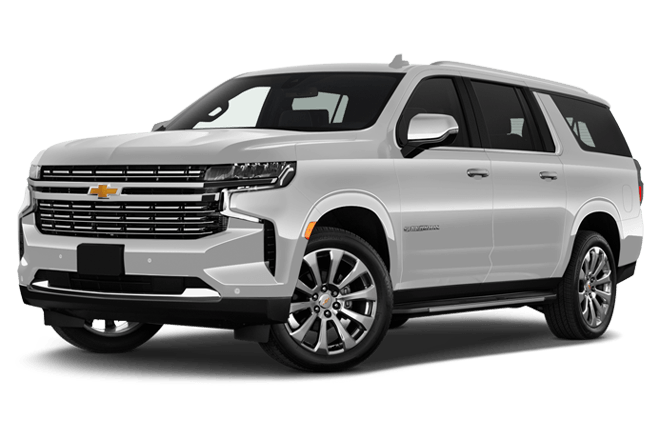
Analyzing hertz vs avis premium car rental options for families requires a structural look at how corporate rental operators acquire, categorize, and distribute premium vehicle inventory. In corporate fleet management, a “Premium” or “Luxury” classification spans several overlapping ACRISS (Association of Car Rental Industry Systems and Standards) codes. These classes range from high-specification full-size sedans to Premium Elite three-row SUVs, such as the Ford Expedition, Lincoln Navigator, and Cadillac Escalade, which are designed to carry seven to eight passengers along with bulk cargo loads.
Families commonly use these high-tier categories to avoid the space limits of standard sedans, aiming to combine mechanical reliability with cabin tracking assets like tri-zone automatic climate control, integrated child-safety tether anchors, and advanced driver-assistance safety alerts. The main difference between the two major providers lies in how they structure their specialized fleet groupings and manage premium lot access. Hertz organizes its high-end vehicles through designated collections—such as the Prestige and Family Collections—which offer make-and-model guarantees on select premium lines. Avis approaches the premium segment by providing high-specification standard groups alongside an expanded Premium Elite SUV footprint, focusing on corporate tech access over rigid model guarantees.
Primary Fleet and Premium Category Typologies
The premium offerings of Hertz and Avis can be grouped into distinct vehicle formats. Each class serves specific party configurations, luggage demands, and transit terrain rules.
Premium Fleet Category Comparison
| Category / Type | Description | Common Use Case | Time / Cost / Effort Level |
| Premium Elite SUVs | High-displacement, three-row luxury utility platforms (e.g., Lincoln Navigator, Cadillac Escalade) featuring full electronic suspensions and maximum cargo depth. | Multi-generational families or groups of 6–8 passengers carrying full luggage setups over long distances. | Low Prep Time / High Rental Cost / Low Daily Effort |
| Model-Guaranteed Collections | Niche luxury vehicle tiers where the specific make, model, and engine variant are locked at reservation rather than a generic category. | Travelers with specific ergonomic needs, such as a exact trunk layout for a specialized double stroller. | Moderate Search Time / High Cost / Low Effort |
| Premium Sedans | High-specification upscale sedans (e.g., Nissan Maxima, Volkswagen Passat) featuring leather seating and advanced soundproofing. | Small family units (up to 5 passengers) seeking lower fuel costs during urban transitions without sacrificing cabin comfort. | Low Search Time / Medium Cost / Low Daily Effort |
| Standard Passenger Minivans | Volume-focused multi-passenger builds (e.g., Chrysler Pacifica) utilizing sliding side doors and flat-folding under-floor seat configurations. | Families prioritizing immediate layout changes, low entry heights for toddlers, and high functional cabin space over luxury styling. | Low Search Time / Medium-High Cost / Low Effort |
Selecting the Proper Premium Category
Choosing between these vehicle types requires balancing your party’s size with your destination’s geography. Families traveling with active toddlers and strollers find that premium minivans or three-row Premium Elite SUVs drastically cut the time spent loading and unloading gear at transit stops. If your route crosses remote terrain with varying weather profiles, selecting an all-wheel-drive Premium Elite SUV via Avis or a dedicated Prestige 4×4 platform through Hertz provides the necessary traction control systems to keep the cabin safe.
Practical Scenarios and Regional Family Applications
Reviewing targeted geographic applications highlights how the choice of provider and category maps to real-world travel logistics.
Scenario 1: The Major Airport Hub Disney Run
A family of six lands at a high-volume Florida transportation hub during a peak school-holiday week, requiring a seamless lot-bypass system, guaranteed three-row passenger spacing, and direct integration for pre-installed child car seats.
-
Step-by-Step Procurement Process:
-
Evaluate loyalty club lot-bypass tiers (e.g., Hertz Gold Plus Rewards vs. Avis Preferred) at the specific airport location.
-
Reserve a Premium Elite or 7-Passenger SUV category direct to avoid regional shuttle bus delays.
-
Utilize the brand’s mobile terminal app to locate the assigned vehicle stall number, bypassing the main airport rental counter queue entirely.
-
Complete an on-site inspection of the vehicle’s ISOFIX latch points in the second and third rows before mounting child restraint seats.
-
-
Key Components: Lot-bypass digital tracking, mobile app stall allocation, three-row interior configurations, verified lower latch anchor systems.
-
Representative Hubs: Orlando International Airport (MCO), Miami International Airport (MIA).
Relevance of the Airport Hub Scenario
High-volume resort airport counters frequently feature long wait times that can cause significant friction for families traveling with children. Utilizing premium loyalty bypass channels allows parents to walk directly to the rental lot, load their luggage into a spacious three-row vehicle, and hit the road immediately.
Scenario 2: The Pacific Coast Highway Multi-Stop Transition
A family coordinates a multi-day coastal scenic transit along structural coastal curves, requiring high suspension dampening, superior view glass, and model-specific trunk space for a large stroller framework.
-
Step-by-Step Procurement Process:
-
Access the model-guaranteed premium collections of the operators (such as the Hertz Prestige Collection).
-
Reserve a exact luxury crossover or SUV model to verify the trunk dimensions match your stroller’s folded frame width.
-
Confirm the presence of acoustic-laminated window glass to lower wind drone during extended driving stints along exposed coastal cliffs.
-
Verify that the vehicle’s electronic navigation package includes pre-loaded offline maps to manage local cellular network drops.
-
-
Key Components: Make-and-model guarantees, acoustic laminated glass structures, exact trunk footprint checks, offline navigation tracking.
-
Representative Routing: Highway 1 corridors departing San Francisco (SFO) or Los Angeles (LAX).
Relevance of the Coastal Scenario
Coastal mountain transits introduce continuous vehicle sway and noise variations that can cause motion sickness or sleep disruptions for younger passengers. Securing a model-guaranteed premium vehicle allows families to confirm cabin insulation quality and interior dimensions before check-in, ensuring a stable, controlled ride.
Scenario 3: The High-Altitude Mountain National Park Circuit
A family maps a multi-state route crossing elevated mountain ranges and unpaved park access lanes, requiring high engine torque density, all-wheel-drive capabilities, and durable, weather-resistant interior finishes.
-
Step-by-Step Procurement Process:
-
Screen the premium 4WD inventories of both providers, checking for automated electronic terrain management setups.
-
Opt for an Avis Premium Elite SUV line (such as a Lincoln Navigator or Jeep Grand Wagoneer) to secure a twin-turbocharged or high-displacement V8 engine block.
-
Ensure the vehicle interior is configured with non-porous synthetic leather and deep-waffle rubber floor mats to handle mud, sand, and water tracking.
-
Verify that the contract explicitly permits driving on state-maintained unpaved access lanes to maintain full insurance compliance.
-
-
Key Components: Twin-turbocharged/V8 drivetrains, automatic 4WD transfer systems, synthetic non-porous cabin textiles, unpaved lane contract verifications.
-
Representative Settings: Salt Lake City Airport (SLC) or Denver International Airport (DEN) departures leading to interior park grids.
Relevance of the Mountain Pass Scenario
High-altitude driving stresses small engines, causing standard rental cars to lose up to 15% of their horsepower. Sourcing a Premium Elite SUV backed by a high-torque or turbocharged engine block through Avis ensures the loaded vehicle climbs mountain grades smoothly, keeping passengers comfortable and safe.
Scenario Comparison
The Airport Hub scenario focuses heavily on using mobile app networks to bypass lines and manage complex family logistics at arrival. The Coastal scenario prioritizes make-and-model guarantees to confirm exact interior space and soundproofing quality. The Mountain National Park scenario centers on mechanical torque, all-wheel-drive traction control systems, and durable cabin textiles. Families with infants or volatile schedules benefit most from the line-skipping efficiency of Airport Hub setups, while those facing difficult terrain require the mechanical power of the Mountain Pass framework.
Planning, Budgeting, and Total Contract Surcharges
The rental of a premium category vehicle involves unique financial resource factors that differ from standard mid-size bookings. A comprehensive budget must look past the base daily rate to account for municipal concession fees, child-seat rental premiums, toll transponder surcharges, and young-driver rules.
Sample Family Premium Rental Budget Framework
Note: The values, ratios, and administrative fees detailed below serve as illustrative examples for a standard seven-day premium family rental at a major airport hub. Final contract costs fluctuate based on real-time demand curves, localized municipal tax codes, and seasonal travel surges.
| Category | Estimated Resource Allocation | Explanation | Optimization Tips |
| Base Premium/Luxury Rate | $450 – $950 / week | The foundational cost for a verified premium sedan, multi-passenger minivan, or three-row SUV category. | Book 3 to 6 months in advance of holiday windows; corporate networks allow free cancellation if cash rates drop later. |
| Airport Concession Recovery Fees | 10% – 18% of contract base | Mandatory legislative taxes applied by municipal port authorities on all rentals initiated on airport property. | Check if picking up the vehicle at a nearby downtown city location eliminates this airport tax layer for long stays. |
| Child Safety Seat Rental Fee | $12 – $15 / day per seat | The daily charge applied for on-site rental of convertible, infant, or booster seats (usually capped around $60–$75 per rental). | Join the provider’s free loyalty program (e.g., Hertz Gold Plus Rewards), which frequently waives the first child seat fee entirely. |
| Electronic Toll Transponder Levy | $5.00 – $12.00 / day plus tolls | The administrative handling fee applied for utilizing the rental brand’s automatic toll-pass hardware (e.g., PlatePass or e-Toll). | Bring your own portable multi-state transponder to bypass the rental firm’s expensive daily administrative fees. |
| Additional Driver Surcharge | $13 – $15 / day | Fee charged to legally cover a secondary driver (such as a spouse) under the rental contract. | Avis and Hertz typically waive the spouse additional driver fee automatically if you register for their free loyalty rewards tier. |
Comparison Strategies and Sourcing Platforms
Evaluating options within a hertz vs avis premium car rental options for families review requires using objective comparison strategies rather than relying on standard corporate advertising messages.
1. Loyalty Tier Infrastructure Auditing
-
What it is: Comparing the automated benefits of Hertz Gold Plus Rewards (Five Star/President’s Circle) against Avis Preferred (Plus/President’s Club).
-
Advantages: Reveals the exact lot mechanics; identifies locations where you can select any vehicle from a designated row (e.g., Hertz Ultimate Choice) vs. places where a specific vehicle is assigned via a digital screen (Avis).
-
Disadvantages: Line-skipping structures can vary between regional mid-size airports and major international hubs.
2. Embedded Corporate Code Verification
-
What it is: Applying verified corporate discount codes (CDP for Hertz, AWD for Avis) linked to major auto clubs, alumni associations, or professional networks.
-
Advantages: Secures substantial percentage drops on base daily room rates; frequently includes free contract upgrades and waives additional-driver or underage fees automatically.
-
Disadvantages: Requires travelers to present valid membership identification at check-in if requested by lot agents.
3. ACRISS Code Spec-Sheet Analysis
-
What it is: Checking the explicit four-letter ACRISS code (e.g., LWAR, FFAR, XPAR) on your confirmation voucher to confirm vehicle specifications.
-
Advantages: Guarantees structural features like exact door counts, drivetrain configurations, and transmission types, regardless of the marketing label.
-
Disadvantages: Does not display specific brand preferences or real-world interior cabin upholstery layouts.
4. Direct Location Fleet Inventories
-
What it is: Contacting the specific airport lot manager or reviewing local car enthusiast forums to check the typical vehicle makes deployed at that exact terminal.
-
Advantages: Provides real-world visibility into whether a “Premium SUV” class on site consists of newly updated models or older, high-mileage vehicles.
-
Disadvantages: Daily lot handovers are highly dynamic, meaning vehicle availability shifts continuously based on hourly return flows.
Operational Risks, Vehicle Mismatches, and Pitfalls
Securing a premium vehicle contract introduces specific operational liabilities that require active management to protect your family’s travel schedule.
The “Or Similar” Inventory Substitution Trap
-
The Issue: Car rental contracts guarantee the vehicle class size, not the exact make and model. A traveler reserving a luxury three-row SUV can arrive to find the lot out of stock, forcing the family into an alternative crossover that lacks the required trunk depth for their luggage.
-
Mitigation Advice: Utilize make-and-model guaranteed collections (such as the Hertz Prestige or Dream Collections) if your space requirements are non-negotiable. If a vehicle mismatch occurs at an Avis lot, present your confirmation voucher to the exit booth manager and request a complimentary upgrade to a larger passenger van or alternative luxury tier.
Unsanitized or Damaged Rental Child Safety Seats
-
The Issue: Relying on the rental car company for child safety seats can introduce quality risks. On-site child seats can occasionally be returned dirty, show signs of wear, or lack the correct instruction manuals, which can complicate proper car seat installation.
-
Mitigation Advice: Bring your own certified child car seats from home. Major commercial airlines permit families to check child safety seats and booster bases for free as checked baggage, ensuring your children utilize clean, familiar, and verified safety gear in your rental car.
Hidden Out-of-State Boundary Violations
-
The Issue: Shifting your family road trip route across multiple state borders can accidentally violate localized geographic tracking limits embedded in the rental brand’s fine print, potentially voiding your liability protection insurance.
-
Mitigation Advice: Review the explicit geographic boundary rules on your rental contract printout before leaving the lot. Ensure your intended states are listed as allowed driving zones, or notify the counter agent at pickup to add unlimited multi-state transit permissions to your file.
Opaque Third-Party Aggregator Insurance Gaps
-
The Issue: Purchasing supplemental collision damage waivers (CDW) via cheap third-party online booking engines can leave families unprotected. If an accident occurs, the primary rental operator will still place a large financial hold on your personal credit card, requiring you to manually seek reimbursement from the third-party platform later.
-
Mitigation Advice: Decline third-party insurance add-ons at booking. Use a premium travel credit card that includes primary collision damage insurance automatically when you pay for the rental, or buy primary CDW protection directly from Hertz or Avis at the counter.
Best Practices for Lot Inspection and Delivery Management
Implementing a rigorous inspection routine before exiting the rental gate protects your personal liability and ensures the vehicle is functionally safe for your family.
Pre-Exit Lot Verification Checklist
-
360-Degree Exterior Video Capture: Utilize your smartphone camera to record a continuous, high-definition video walkthrough of the entire exterior body work, wheels, and glass panels before moving the vehicle. Focus closely on pre-existing scratches, lower bumper scuffs, and windshield chips, ensuring these marks are noted by the lot agent before you exit the gate.
-
Internal Mechanical and Safety Verification: Turn the engine on and verify that the dashboard is clear of check-engine warnings or low tire pressure alerts. Test the air conditioning system across all rows to confirm cold air distribution, check that the windshield wipers run smoothly, and test the digital infotainment screen to verify Bluetooth connectivity.
-
Child Restraint Integrity Check: Ensure all seatbelt retractors lock securely when pulled, inspect the lower anchor loops for debris, and verify that the rear door child safety locks are functional before seating children.
The Importance of Prompt Reporting
Discovering a mechanical issue or structural defect after driving away from the airport hub undermines your position and introduces unnecessary travel delays. Completing your full vehicle inspection inside the rental stall allows you to request an immediate vehicle swap or have a lot manager document pre-existing damage on your contract printout before you clear the security exit gate.
Documentation Control and Discrepancy Logging
For complex family travel itineraries, keeping clear records of rental contracts, condition reports, and fuel receipts simplifies your travel tracking and prevents unexpected post-trip billing disputes.
Organizing Rental Portfolios
-
Centralize Digital Receipts: Store all rental agreement sheets, digital return receipts, and inspection logs in an offline-accessible digital note shared with your co-passengers.
-
Log Pre-Return Fuel Levels: Take a smartphone photo of the dashboard instrument cluster showing the fuel gauge at full and the final trip odometer reading right before returning the car. Save the physical paper receipt from the fuel station to prove compliance with the contract’s refueling rules.
-
Retain Post-Return Drop Logs: Keep your final corporate return summary for at least 90 days post-trip to protect against delayed electronic toll processing fees or unexpected cleaning charges.
Rental Documentation Entry Examples
Example 1: Airport Hub Lot Bypass Log
-
Contract Entry: Hertz Vehicle Stall 412, Orlando Airport. Category Reserved: Standard SUV (SFAR). Vehicle Allocated: Ford Explorer. Mileage Baseline: 12,410 miles. Condition Notes: 2-inch paint scratch on rear tailgate documented via video log; lot agent notified at exit gate. Loyalty Status: President’s Circle line bypass confirmed.
Example 2: Premium Elite SUV Run Log
-
Contract Entry: Avis Premium Elite SUV, Salt Lake City Lot. Category Reserved: Premium Elite SUV (XPAR). Vehicle Allocated: Lincoln Navigator 4WD. Mileage Baseline: 8,150 miles. Fuel Gauge Status: 100% full. Mechanical Checks: Tri-zone HVAC loops tested; rear child lock mechanisms activated; lower latch anchor loops verified.
Closing Summary
Analyzing hertz vs avis premium car rental options for families highlights distinct operational strengths for both rental conglomerates. Hertz stands out for families who prioritize make-and-model certainty, allowing travelers to lock in specific high-end luxury lines via its model-guaranteed Prestige and Family Collections. Avis delivers exceptional value through its extensive Premium Elite SUV segment, providing large-scale vehicles like the Lincoln Navigator and Cadillac Escalade that offer the space, torque, and luxury features required for high-occupancy family trips. By utilizing free loyalty program memberships to skip counter lines, verifying exact four-letter ACRISS codes, bringing personal car seats to ensure quality, and conducting complete visual inspections before leaving the lot, families can secure a safe, comfortable, and efficient travel environment across any domestic or international highway route.
Frequently Asked Questions (FAQ)
What is the primary difference between Hertz and Avis regarding line-skipping for families?
Hertz structures its lot-bypass system through the Gold Plus Rewards program (specifically within the Ultimate Choice lots at major hubs), which allows elite members to walk past the counter and choose any vehicle parked within a designated tier row. Avis manages its line-skipping via the Avis Preferred platform, where a specific vehicle is assigned to the member in advance via a digital lot board or mobile app alert, matching programmatic structure over personal selection.
What is an ACRISS code and why should family travel planners check it?
An ACRISS code is a standardized, four-letter industry classification code used by global car rental companies to define a vehicle’s exact characteristics. The letters specify the vehicle size, door count, drivetrain/transmission type, and fuel/air conditioning systems (for example, FFAR designates a Full-Size SUV with automatic transmission and air conditioning). Checking this code on your confirmation voucher guarantees you receive the required vehicle features, regardless of changing marketing terms.
Are child safety seats guaranteed to be available when renting from Hertz or Avis?
While both corporate providers allow you to add infant, convertible, or booster child safety seats to your digital reservation, actual on-site inventory is subject to local availability and return flows on the day of your arrival. To eliminate the risk of lot shortages or quality issues, safety experts strongly recommend that families bring their own familiar, certified car seats from home, which commercial airlines permit you to check for free as checked baggage.
Do Hertz and Avis charge extra fees for a spouse to drive the vehicle?
Under standard US car rental rules, adding an additional driver to a contract incurs a daily surcharge ranging from $13 to $15 per day. However, both Hertz and Avis waive this additional driver fee automatically for a legally married spouse or domestic partner, provided the primary renter is registered for their free corporate loyalty rewards program (Hertz Gold Plus Rewards or Avis Preferred) and the spouse holds a valid driver’s license.
How can I avoid paying high daily toll charges on my rental car?
Car rental companies equip vehicles with automated electronic toll transponders (such as PlatePass or e-Toll) that charge high daily administrative handling fees ranging from $5.00 to $12.00 per day plus the cost of the tolls. Families can bypass these high corporate fees by bringing their own personal portable toll transponder from home and mounting it to the rental car’s windshield, ensuring they turn off the vehicle’s built-in rental transponder box.