The Framework for Urban Family Hospitality: Navigating Boutique Lodging Near Central Park
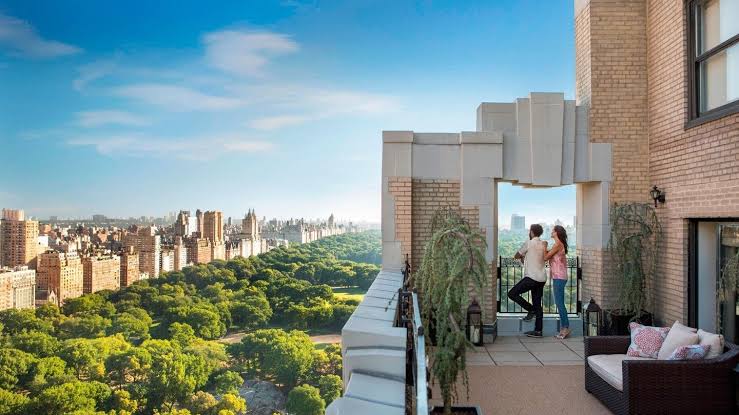
Urban family travel demands an intentional balance of prime geography, immediate pedestrian access, and physical room optimization. When coordinating a stay in a high-density metropolitan center like Manhattan, the choice of lodging directly dictates the logistical complexity of the itinerary. Families increasingly look to minimize transit times by anchoring their stay near expansive green spaces. In New York City, prioritizing proximity to Central Park allows groups to utilize the park’s recreational infrastructure, playgrounds, and cultural institutions as a seamless extension of their lodging environment.
Sourcing appropriate accommodations within this historic perimeter requires moving past conventional, high-occupancy commercial chains toward small-scale, independent spaces. Selecting the best kid friendly boutique hotels in new york near central park requires an analytical framework that evaluates structural safety parameters, spatial room configurations, localized noise-attenuation baselines, and hidden municipal hospitality overhead. This guide establishes a textbook-quality blueprint for families looking to execute a balanced, non-commercial, and highly practical upscale stay in Manhattan.
Overview of Central Park Perimeter Boutique Lodging
Understanding how to evaluate the best kid friendly boutique hotels in new york near central park requires an examination of independent hospitality models within historic urban zones. In the Manhattan marketplace, a boutique hotel is typically classified as an independently operated, design-forward property containing fewer than 200 keys, often housed in adapted pre-war structures, historic residential townhouses, or low-density mid-century architectural blocks. Unlike massive corporate hotels situated in high-traffic commercial hubs like Times Square, boutique properties near Central Park prioritize neighborhood integration and localized service blueprints.
Families commonly leverage these independent properties to secure a quiet, community-oriented base camp that insulates children from the dense commercial crowds of Midtown. The typical expectation is to find a property where unique interior design does not compromise childhood functionality, offering configurations like true multi-room suites, adjoining alcoves, or integrated kitchenettes. The operational goal is to merge adult aesthetic standards with the physical necessities of family travel: reliable vertical elevator infrastructure, effective street-level acoustic insulation, childproofing adaptations, and immediate walking paths to the park’s primary green lawns.
Primary Property Typologies and Structural Frameworks
Independent hospitality configurations around Central Park reflect the distinct historical architecture of their respective micro-neighborhoods. These variations dictate room dimensions, corridor widths, and elevator redundancy levels.
Property Typology Matrix
| Category / Type | Description | Common Use Case | Time / Cost / Effort Level |
| Pre-War Apartment Conversions | Residential structures repurposed into hotels, featuring thick brick walls, entry foyers, and functional kitchenettes. | Extended family stays requiring residential room layouts and minimal sound transfer between units. | High Search Time / High Cost / Moderate Effort |
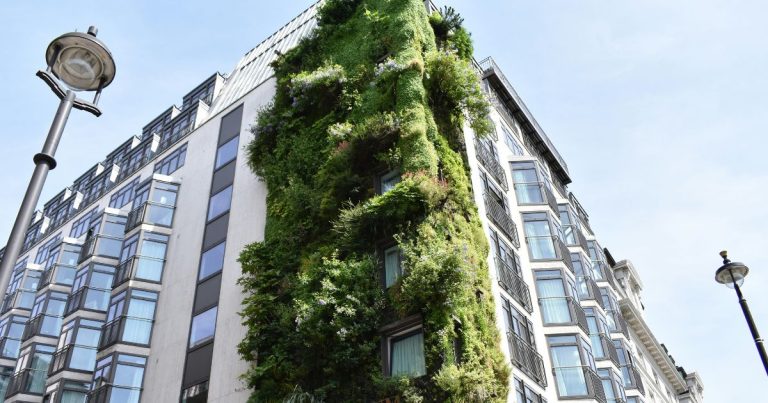
| Biophilic & Sustainable Lodges | Contemporary buildings engineered with sustainable materials, featuring triple-glazed glass and integrated green insulation. | Eco-conscious families prioritizing advanced indoor air purification and modern wellness features. | Low Search Time / High Cost / Low Effort |
| Renaissance Revival Townhouses | Small-scale historic buildings transformed into intimate hotels, featuring ornamental ironwork and fireplace hearths. | Short cultural trips for small family units seeking quiet residential blocks and neighborhood privacy. | High Search Time / Medium-High Cost / High Effort |
| Design-Forward Mid-Rise Blocks | Converted commercial or post-war towers featuring open-plan layouts, large glass profiles, and modern subterranean facilities. | Stays with older children or teenagers who favor vibrant aesthetics, media lounges, and fitness spaces. | Moderate Search Time / Medium Cost / Low Daily Effort |
Selecting the Proper Structural Layout
Choosing among these architectural formats depends heavily on child development stages and stroller dimensions. Pre-war apartment conversions offer superior soundproofing due to plaster-and-brick structural walls, insulating neighboring guests from infant crying cycles. Biophilic and sustainable lodges provide superior air filtration profiles that protect children with environmental respiratory sensitivities. Townhouse models offer maximum privacy but frequently operate with single, compact elevator shafts that require parents to minimize stroller footprints during transit.
Practical Scenarios and Spatial Applications
Reviewing specific geographical applications around Manhattan’s primary green space demonstrates how to identify the best kid friendly boutique hotels in new york near central park based on unique travel demographics.
Scenario 1: The Lower Park Playground Excursion
A family traveling with an infant and a three-year-old toddler requires immediate pedestrian access to the lower park’s primary playground networks, avoiding all reliance on city taxi cabs or underground transit.
-
Step-by-Step Selection Process:
-
Map independent properties located within a three-block radius of Central Park South between Columbus Circle and Fifth Avenue.
-
Filter out properties featuring open-concept adult lounge footprints or un-railed internal split-level steps.
-
Verify the presence of wide elevator cabs capable of accommodating a full-size double stroller without folding.
-
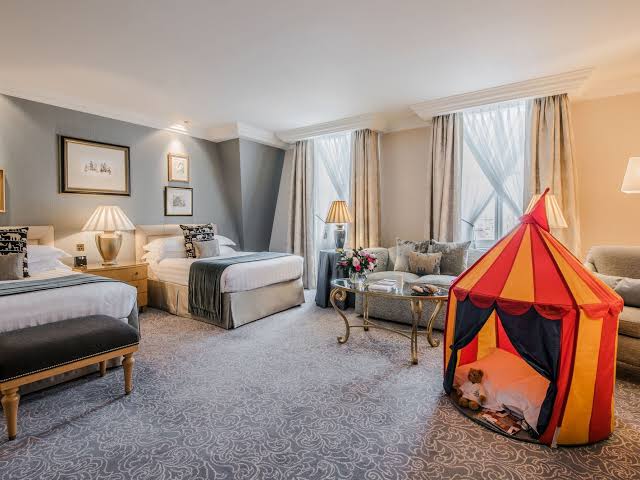
Select a room tier configuration featuring a distinct interior alcove or a deep walk-in closet space that can isolate a crib from the primary living space lighting.
-
-
Key Components: Wide elevator configurations, interior sleeping alcoves, direct crosswalk park access, complimentary loaner crib assemblies.
-
Representative Settings: Pockets along Central Park South or the immediate lower margins of the Upper West Side.
Relevance of the Lower Park Scenario
The lower third of Central Park contains the highest concentration of specialized childhood recreation spaces, including the Heckscher Playground and the carousel. Securing an independent boutique base camp directly south of the park allows parents to split the day into manageable increments, returning to the room for mandatory mid-day nap schedules without navigating transportation barriers.
Scenario 2: The Upper East Side Museum Mile Immersion
A family with school-aged children coordinates an educational itinerary centered on the architectural and artistic archives along Fifth Avenue, requiring a quiet residential environment.
-
Step-by-Step Selection Process:
-
Screen historic Renaissance Revival properties or independent residential hotels located east of Fifth Avenue in the 60s, 70s, or 80s blocks.
-
Confirm the property features multi-bedroom family suites containing durable, non-staining textile surfaces (such as leather or treated wood).
-
Coordinate with the property concierge to pre-arrange entry tickets to nearby institutions, bypassing public ticketing queues with children.
-
Verify that en-suite kitchenettes include operational refrigeration and microwave heating elements for rapid childhood meal provisioning.
-
-
Key Components: En-suite kitchenettes, multi-bedroom suite footprints, neighborhood residential safety zones, direct museum lane walkability.
-
Representative Settings: Quiet residential side-streets of the Upper East Side.
Relevance of the Upper East Side Scenario
The Museum Mile corridor provides dense educational enrichment. Utilizing a historic residential boutique hotel in this zone provides a calm neighborhood atmosphere where children can decompress after long museum walks, away from the intense commercial traffic of the city’s theater and retail districts.
Scenario 3: The Upper West Side Natural Science Exploration
A family with active older children and teenagers plans a trip centered on natural history, planetarium sciences, and open park lawns, prioritizing spacious room layouts and hard flooring.
-
Step-by-Step Selection Process:
-
Identify independent design-forward hotels or repurposed warehouse structures located between Central Park West and Broadway.
-
Filter specifically for loft-style layouts or suites featuring hardwood or polished stone flooring to minimize dust and urban allergen retention.
-
Verify that the property offers an on-site self-service laundry alcove or rapid-turnaround guest laundry facilities.
-
Confirm the presence of an acoustic window configuration (such as dual or triple glazing) facing the avenue to block morning city transit noise.
-
-
Key Components: Hardwood flooring profiles, high-performance acoustic glass, self-service laundry access, open loft-style spatial configurations.
-
Representative Settings: Historic blocks along Central Park West or adjacent Upper West Side avenues.
Relevance of the Upper West Side Scenario
The Upper West Side offers direct pedestrian access to the American Museum of Natural History and the wide green open spaces of the Great Lawn. Selecting an independent property with hard flooring and loft configurations provides teenagers with sufficient personal space and technological connectivity while ensuring proximity to active outdoor running and biking paths.
Scenario Comparison
The Lower Park scenario prioritizes stroller navigation and proximity to toddler playgrounds. The Upper East Side scenario focuses on multi-bedroom residential layouts and cultural walkability. The Upper West Side scenario capitalizes on spacious loft configurations and durable interior flooring for older children. Families managing volatile infant schedules benefit most from the Lower Park format, while those navigating teenage space requirements are better served by the Upper West Side layout.
Planning, Budgeting, and Ancillary Cost Structures
:max_bytes(150000):strip_icc()/TAL-lead-image-the-mark-hotel-BOUTIQUENYC0226-4ac95a05a42a4c73bfc57f2cd98e3212.jpg)
Premium independent lodging in Manhattan requires structured financial forecasting. Because boutique properties maintain lower total room inventories than commercial high-rises, pricing scales dynamic curves based on citywide conventions, seasonal shifts, and school holiday periods.
Sample Family Boutique Hotel Budget Framework
Note: The values, ratios, and fee matrices detailed below represent illustrative examples for a standard four-person family stay over four nights in Manhattan near Central Park. Final costs vary based on specific seasonality, local occupancy trends, and economic factors.
| Category | Estimated Allocation | Explanation | Optimization Tips |
| Optimized Suite / Connected Rooms | $350 – $800 / night | The core cost for an independent family-sized room configuration on a non-peak calendar week. | Schedule stays during lower-occupancy windows (such as January–February or late July) when base rates compress. |
| New York State & City Occupancy Taxes | ~14.75% + $2.00–$3.50 / night | Combined state sales tax, city hotel occupancy tax, and local convention center fees. | Verify whether the initial pricing quotes include these mandatory legislative taxes before finalizing allocations. |
| Mandatory Destination / Amenity Fees | $35 – $55 / night | Daily corporate facility levies covering local phone usage, gym access, or property beverage credits. | Look for independent properties that bundle these destination fees into value-added perks like park picnic baskets. |
| En-Suite Pantry Provisioning | $50 – $100 / stay | Purchasing fresh milk, fruit, and snacks at a neighborhood grocery center outside the hotel. | Avoid utilizing the in-room premium automated minibar; source family items from local corner markets instead. |
| Incidental Security Authorization Hold | $400 – $800 (Refundable) | A standard temporary credit card block placed at check-in to account for potential room damage or incidentals. | Deploy a dedicated high-limit credit card to keep primary daily transaction accounts unencumbered. |
Research Strategies and Architectural Verification Tools
Systematically identifying the best kid friendly boutique hotels in new york near central park requires moving beyond standard travel ads toward targeted, objective research methodologies.
1. Direct Floorplan Blueprint Auditing
-
What it is: Requesting or analyzing the property’s explicit interior architectural schematics, square footage breakdowns, and window placement charts.
-
Advantages: Confirms whether a “Suite” contains a structural wall barrier with a closing door or if it is simply an open-concept studio room layout.
-
Disadvantages: Blueprints are not always uniformly indexed on secondary online travel agency platforms.
2. Pedestrian Infrastructure Satellite Mapping
-
What it is: Utilizing satellite map platforms to evaluate the sidewalk width, curb-cut placements, scaffolding structures, and crosswalk safety profiles directly leading from the hotel entrance to the nearest park gate.
-
Advantages: Avoids the risk of booking a property situated along a high-traffic transit avenue or directly over an active subterranean subway ventilation grate.
-
Disadvantages: Satellite imagery cannot predict real-time commercial delivery truck staging or temporary road work disruptions.
3. Direct Guest Relations Operations Questionnaires
-
What it is: Submitting a structured email query to the property’s guest experiences director to verify the physical dimensions of on-site equipment before booking.
-
Advantages: Secures written confirmation regarding the availability of specific child safety assets, such as outlet plugs, window guard rails, and crib dimensions.
-
Disadvantages: Requires longer planning lead times and relies on individual property administrative response times.
4. Verified Travel Log Text Filtering
-
What it is: Utilizing targeted text-string searches (e.g., “stroller elevator,” “thin walls,” “crib space”) across independent consumer travel review platforms.
-
Advantages: Uncovers functional realities regarding building noise levels, elevator speeds, and how welcoming the staff is to young children.
-
Disadvantages: Requires sorting through subjective individual complaints to pull out objective architectural facts.
Safety, Operational Risks, and Mitigation Frameworks
Repurposed pre-war architecture and design-forward boutique properties can introduce specific structural variables that require proactive oversight from parents.
Historic Window Casements and Guard Restrictors
-
The Issue: Pre-war buildings converted into boutique hotels often feature large historic sash or casement windows that open wide, presenting an immediate safety risk if children climb onto deep window sills.
-
Prevention Advice: Inspect every window frame immediately upon entering the room. Verify that New York City Department of Health-compliant window guards or mechanical safety restrictors are securely bolted in place, preventing the window from opening more than 4 inches (10 centimeters).
Delicate Interior Finishes and Unstable Furnishings
-
The Issue: Independent properties emphasize design identity, which can mean incorporating delicate glass surfaces, sharp modern metal coffee tables, unanchored floor lamps, or heavy ceramic art pieces within reach of children.
-
Prevention Advice: Complete a quick room sweep before unpacking luggage. Safely store portable glassware, low decorative objects, and unsecured art pieces in upper closet bays for the duration of the family’s stay.
Single Elevator Shaft Bottlenecks
-
The Issue: Small townhouse conversions or narrow historic mid-rises often rely on a single, low-capacity historic elevator car. During morning peak check-out windows, families managing large strollers can face long waits.
-
Prevention Advice: Inquire about elevator redundancy during the research phase. If the property operates only a single lift car, request a lower floor placement that allows you to safely use the stairs with a folded stroller if needed.
Internal Corridor Sound Echoes
-
The Issue: Boutique hotels frequently incorporate historic hardwood floors or minimalist stone corridors that lack heavy acoustic carpeting, causing normal childhood footsteps or toddler voices to echo into adjacent rooms.
-
Prevention Advice: Request a room situated at the terminal end of a corridor wing, away from central elevator banks and service doors. Utilize a portable white-noise machine to help mask interior building sounds.
Best Practices for Room Assessment and Management
Deploying a structured room check upon entry ensures that your accommodation remains safe, organized, and logistically sound throughout your stay.
On-Site Arrival Assessment Protocol
-
Immediate Entry Verification: Walk the room footprint before bringing in your luggage. Test the window restrictors, check the stability of heavy wardrobes or television stands, and ensure that all electrical outlets are clear of reaching hazards near child bedding areas.
-
Climate and Ventilation Audit: Verify that the automated climate control or HVAC systems operate quietly without vibrating or rattling, and check that the digital thermostat locks properly.
-
Amenity Staging Setup: Position the provided crib or pack-and-play along an interior structural wall, well clear of window drapery cords, wall-mounted light fixtures, or loose electronic cables.
The Value of Early Technical Checks
Taking fifteen minutes to complete a thorough room check right after arrival allows you to identify potential safety or mechanical issues before they disrupt your evening. If a room presents a structural risk—such as an unlatched window or an exposed electrical connection—you can bring it to the attention of the guest relations team right away to secure a room change before unpacking your luggage.
Documentation and Guest Profile Integration
For families who travel frequently, keeping an organized log of property layouts and neighborhood infrastructure makes planning future urban trips much simpler.
Organizing Urban Travel Profiles
-
Log Successful Architectural Formats: Record specific room sub-categories, building wings, or floor levels that offered the best sound insulation and spatial layouts.
-
Document Local Transit Access: Track which specific subway entrances near the hotel feature fully operational elevator links, eliminating the need to carry strollers up historic station stairs.
-
Store Property Contacts: Save direct email addresses for on-site managers who provided helpful service, allowing you to bypass central booking pools during future travel planning.
Family Travel Data Log Examples
Example 1: Pre-War Apartment Conversion Log
-
Property Record: The West End Residence, Upper West Side. Suite 502 (True One-Bedroom configuration). Layout: Structural wall separating living room couch from primary bedroom. Flooring: Hardwood with heavy area rugs. Windows: Fitted with checked NYC-compliant iron safety guards. Transit Note: 81st Street station elevator fully accessible.
Example 2: Biophilic Midtown Eco-Lodge Log
-
Property Record: The Green Sanctuary, Central Park South perimeters. Room 914 (Connecting King and Double Studio). Layout: Flat single-level floor plan with no interior stairs. Elevator: Large multi-car commercial capacity. Windows: Triple-glazed acoustic glass (zero avenue traffic noise recorded). Safety Setup: No low glass furnishings present.
Closing Summary
Sourcing the best kid friendly boutique hotels in new york near central park allows families to enjoy unique local design and central geographic access without sacrificing comfort. By moving away from high-density commercial hotels and focusing on properties with family-friendly layouts—such as pre-war apartment conversions, sustainable eco-lodges, or spacious multi-room townhouses—parents can avoid the stress of Midtown crowds. While navigating historic Manhattan buildings requires extra preparation, careful safety checks, and proactive communication with hotel operators, the result is a safe, comfortable, and memorable New York vacation tailored perfectly to the needs of the entire family.
Frequently Asked Questions (FAQ)
What defines a hotel as a family-friendly boutique property near Central Park?
A family-friendly boutique hotel near Central Park is an independent property containing fewer than 200 keys that combines unique local design or historic architecture with functional amenities for children, such as connecting doors, spacious family suites, baby equipment rentals, and direct pedestrian access to the park’s primary green lawns and playgrounds.
Are New York City hotel windows safe for young children?
Yes, under strict municipal health codes, all New York City hotels are legally required to install heavy-duty window guards or mechanical safety restrictors on windows in rooms occupied by families. These devices prevent the window sash from opening more than 4 inches (10 centimeters), ensuring safety while allowing ventilation.
How can I make sure our double stroller will fit in a boutique hotel elevator?
Before finalizing your booking, contact the property’s guest relations manager directly to request the interior door clearance and weight dimensions of their passenger elevators. If the property operates a historic, narrow elevator cab, you can request a lower-floor room assignment that allows you to use the stairs with a folded stroller if needed.
Why do some boutique hotels charge a mandatory daily “destination fee”?
Destination or amenity fees are mandatory daily charges added by hotels to cover neighborhood perks, such as high-speed Wi-Fi access, fitness center entry, digital newsstand services, or property food and beverage credits. These fees are legally binding and added to your final statement, so it is important to factor them into your initial budget plans.
Do independent boutique hotels near Central Park provide complimentary cribs?
Many top-rated boutique hotels provide high-quality wooden cribs or pack-and-plays, but inventories are typically limited due to the property’s small scale. It is essential to request these items in writing immediately after making your reservation, and follow up a week before your arrival to ensure they are confirmed and ready for your room.