The Analytical Guide to Sustainable Lodging: Environmental and Operational Standards in Family Hospitality
The hospitality industry is experiencing an analytical shift toward third-party environmental verification. As global consumers become more aware of the ecological footprint associated with travel, independent auditing bodies have established rigorous criteria to evaluate commercial properties. For families, navigating these options requires moving past subjective marketing claims and looking closely at formally certified eco-lodging. Selecting properties that meet strict environmental standards directly impacts a family’s health, comfort, and travel footprint.
This educational guide provides a clear look at sustainable family hospitality. Readers will learn about the strict operational standards that govern eco-certified properties, how third-party validation processes work, the practical health advantages of low-chemical environments, and how to plan, budget, and verify accommodations for family trips.
Overview of Eco-Certified Family Lodging
Understanding the benefits of staying at a green certified family hotel requires looking at the operational foundation of third-party sustainability audits. Unlike standard lodging properties, which may use self-applied labels like “eco-friendly” or “natural,” a green certified hotel has submitted its entire building, supply chain, and utility management infrastructure to independent verification. Organizations such as the Global Sustainable Tourism Council (GSTC), Green Key, or LEED review these properties to ensure they actively reduce carbon emissions, lower water consumption, manage waste responsibly, and maintain safe indoor air quality.
When planning a multi-generational trip, families look to these certified hotels to balance environmental values with child-friendly amenities. The typical goals of choosing this lodging model include reducing exposure to harsh chemical cleaning agents, lowering personal vacation carbon footprints, and exposing children to practical conservation measures. The practical outcome is a high baseline of indoor comfort, structural safety, and localized cultural engagement that matches corporate accountability standards. Ultimately, evaluating the benefits of staying at a green certified family hotel helps families understand what to expect regarding food quality, air filtration, and overall resort programming before booking.
Core Pillars of Green Hospitality Certification
Sustainable operations manifest across several distinct engineering and management vectors. Certified properties deploy specialized technologies to optimize resource use while preserving the comfort required by families.
Technical Pillars of Certified Eco-Hospitality
| Category / Type | Description | Common Use Case | Time / Cost / Effort Level |
| Indoor Air Quality & Non-Toxic Interior Engineering | Utilizing zero-VOC paints, organic textiles, and commercial HEPA filtration to eliminate synthetic allergens. | Protecting infants, young children, or asthmatic travelers from chemical exposure. | Low Setup Time / Medium Cost / Low Effort |
| Closed-Loop Resource Management | Deploying solar microgrids, greywater recycling loops, and strict commercial composting systems. | Off-grid resort environments where municipal water or electricity grids are strained. | High Initial Investment / High Cost / Moderate Effort |
| Localized Farm-to-Table Supply Networks | Sourcing 70% or more of food ingredients within a 100-mile radius, eliminating hyper-processed imports. | Families requiring certified organic, fresh, or highly traceable dietary options. | High Administrative Effort / Medium Cost / Low Effort |
| Bespoke Eco-Educational Programming | Integrating natural science, wildlife tracking, and conservation workshops directly into youth club facilities. | Ditching screens for interactive, nature-based education for kids. | Moderate Planning Time / Low Cost / Moderate Effort |
Choosing Between Operational Focuses
Selecting an accommodation based on these pillars depends on your family’s specific needs. For families managing childhood allergies or respiratory conditions, properties that prioritize indoor air quality and non-toxic interior engineering provide immediate physical value. For those traveling with teenagers interested in environmental sciences, properties focusing on closed-loop resource management or bespoke eco-educational programming offer a practical look at sustainability in action.
Practical Scenarios and Thematic Applications
Evaluating the benefits of staying at a green certified family hotel becomes clearer when looking at different geographic settings and travel styles.
Scenario 1: The Health-Optimized Urban Exploration
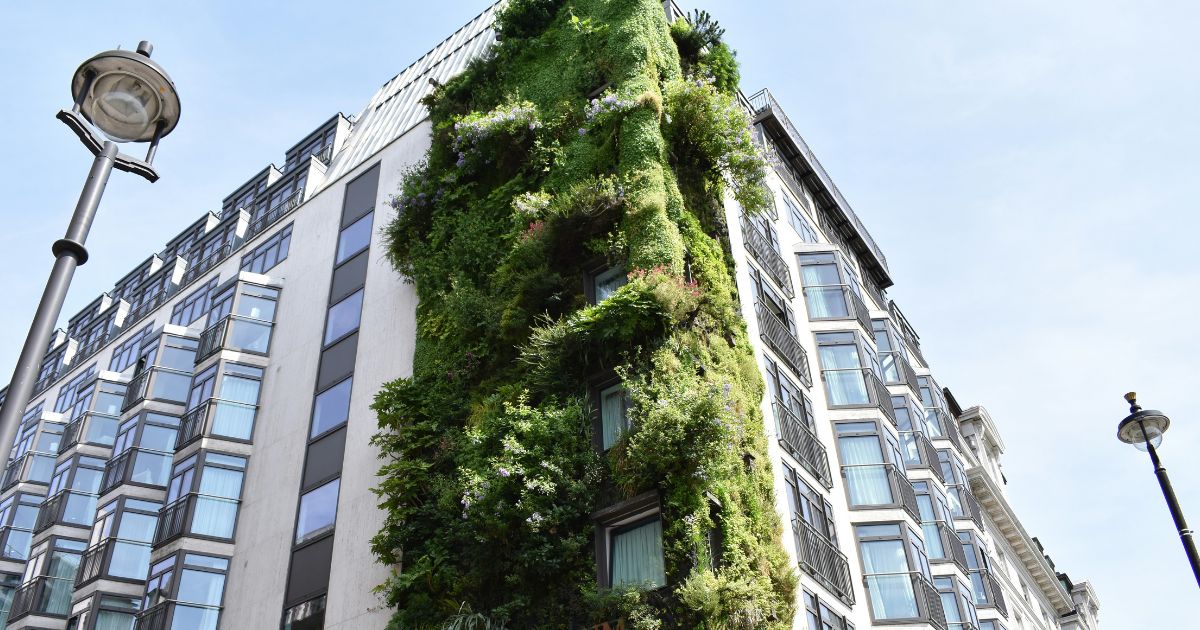
A family spends a week in a high-density metropolitan center, prioritizing indoor health, chemical-free rooms, and proximity to green transit corridors.
-
Step-by-Step Selection Process:
-
Filter urban hotels using international environmental registries (e.g., LEED Gold or Platinum ratings).
-
Verify that the property uses green-certified, fragrance-free cleaning practices to ensure optimal indoor air quality.
-
Confirm the availability of direct bike rentals or electric vehicle charging hubs on-site.
-
Select a room featuring organic bedding and allergen-filtered ventilation loops.
-
-
Key Components: Commercial HEPA air filtration, non-toxic carpets, direct pedestrian transit mapping, organic room fabrics.
-
Representative Settings: Scandinavian capitals, major Pacific Northwest metro areas, or historic European urban centers.
Relevance of the Urban Scenario
Urban spaces often feature high outdoor particulate counts and chemical residues from intensive industrial cleaning. Staying in a certified green property creates a safe, clean space for children to rest after long days exploring the city.
Scenario 2: The Off-Grid Wilderness Base Camp
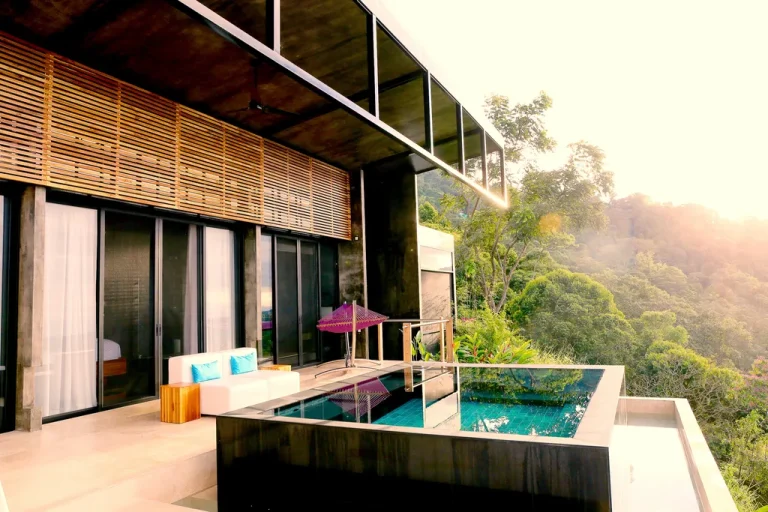
A family books an extended stay near a fragile eco-reserve, looking for zero-waste infrastructure and minimal disturbance to local wildlife.
-
Step-by-Step Selection Process:
-
Search for remote lodges certified by organizations that evaluate wilderness protection (e.g., Rainforest Alliance or EarthCheck).
-
Review the property’s waste management guidelines to confirm that single-use plastics are barred from the premises.
-
Verify that the hotel utilizes dark-sky outdoor lighting fixtures to protect nocturnal wildlife patterns.
-
Ensure on-site waste water is treated through natural reed-bed filtration loops rather than discharged raw.
-
-
Key Components: Micro-solar arrays, dry-composting systems, low-impact boardwalks, native flora landscaping.
-
Representative Settings: Montane valley margins, tropical rain forest perimeters, or desert preservation districts.
Relevance of the Wilderness Scenario
This scenario demonstrates how certified properties can protect vulnerable ecosystems. By choosing a hotel with checked resource-management systems, a family’s vacation does not contribute to habitat degradation or waste pollution in the pristine environments they came to see.
Scenario 3: The Sustainable Island Resort
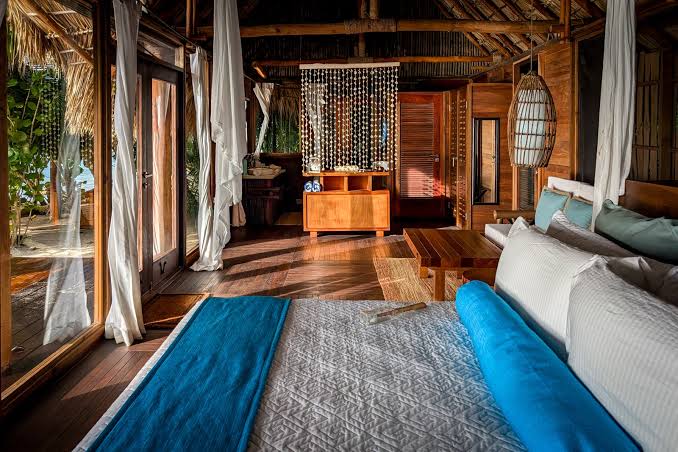
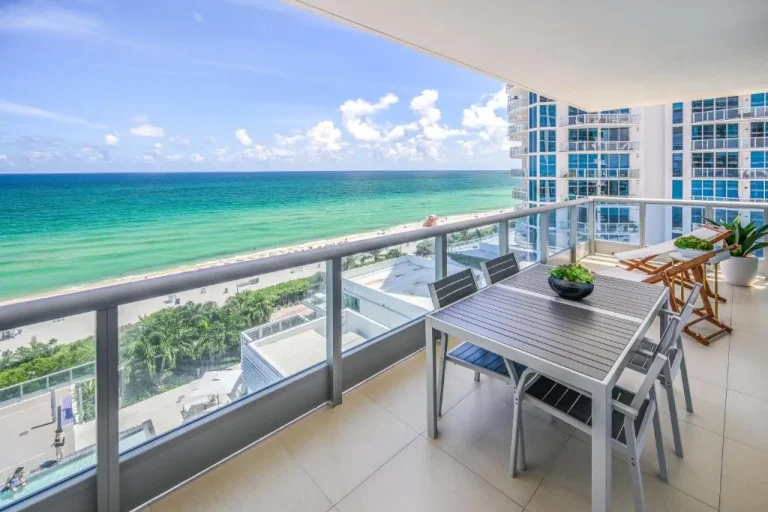
A coastal family vacation focused on marine conservation, reef protection, and local culinary sourcing that supports local fishing villages.
-
Step-by-Step Selection Process:
-
Locate island resorts holding formal Blue Flag beach designations or Green Globe certifications.
-
Confirm the property uses zero-runoff coastal protections to shield nearby coral reefs from chemical sunscreen or fertilizer pollution.
-
Review the on-site dining menus to check that seafood is harvested strictly under local sustainable seafood regulations.
-
Book children into on-site coral restoration or mangrove planting workshops managed by local marine biologists.
-
-
Key Components: Non-motorized ocean recreation gear, reef-safe sunscreen mandates, community-supported agriculture partnerships, elevated coastal footpaths.
-
Representative Settings: Small island developments in the Caribbean, Mediterranean archipelagos, or Indo-Pacific marine reserves.
Relevance of the Coastal Scenario
Coastal resorts commonly damage adjacent marine lifespans through heavy sewage runoff and heavy pesticide use on lawns. A green certified resort protects local reefs and marine life while giving children an up-close look at marine conservation.
Scenario Comparison
The Urban scenario centers on protecting children from industrial allergens and synthetic chemicals. The Wilderness scenario prioritizes off-grid technical engineering and wildlife preservation, which suits active families focused on hiking and outdoor recreation. The Coastal scenario balances beach relaxation with marine science education, offering flat, accessible layouts that are logistically easier for families traveling with infants or senior relatives.
Planning, Budgeting, and Resource Allocations
Certified green hotels often require a distinct approach to planning and budgeting. While eco-certified properties can occasionally carry higher upfront room tariffs due to specialized infrastructure investments, they often offset these costs through bundled amenities, complimentary breakfast programs, and reduced resource waste fees.
Sample Sustainable Family Travel Budget Framework
Note: The values, ratios, and optimization metrics outlined below are illustrative examples for a four-person family stay over six days. Final pricing varies by geographic region, season, and certification tier.
| Category | Estimated Allocation / Effort | Explanation | Optimization Tips |
| Base Certified Accommodation | $220 – $500 / night | Room rates for properties holding verified independent eco-certifications. | Join the property’s direct sustainable travel club to secure member rate adjustments. |
| Allergen Mitigation Check | $0 – $30 / stay | Verifying or requesting fragrance-free room setup prior to arrival. | Request room preparation 72 hours out via direct email to the executive housekeeper. |
| Local Organic Provisions | $90 – $180 / day | On-site farm-to-table dining or organic market basket provisions. | Select half-board room tiers that include breakfast and dinner, which reduces dynamic dining costs. |
| Eco-Educational Youth Access | $20 – $60 / workshop | Interactive nature workshops, wildlife spotting walks, or native planting sessions. | Check for weekly packages where kids’ club conservation programming is built into the base stay. |
| Environmental Deposit Hold | $100 – $250 (Refundable) | A temporary hold to ensure adherence to zero-waste frameworks and property regulations. | Brief children on room conservation practices (e.g., turning off lights and conserving water) before checking in. |
Verification Strategies and Educational Support Methods
To ensure a property is authentically certified rather than simply using green buzzwords, families can deploy four straightforward evaluation strategies.
1. Global Sustainable Tourism Council (GSTC) Database Search
-
What it is: Using the centralized online registry maintained by the GSTC to verify if a hotel’s certification body is formally accredited.
-
Advantages: The most definitive shield against corporate greenwashing; ensures auditing processes are rigorous and objective.
-
Disadvantages: The database focuses primarily on structural certification bodies rather than real-time room pricing or family amenity listings.
2. Digital Indoor Air Quality Profile Reviews
-
What it is: Checking property specs for building wellness standards (such as WELL Building Standard or LEED Indoor Environmental Quality parameters).
-
Advantages: Guarantees structural features like multi-stage air filtration, low-chemical materials, and moisture control systems.
-
Disadvantages: Often restricted to newer urban luxury builds, making it harder to find in rural or historic locations.
3. Direct Ingredient and Supply Chain Inquiries
-
What it is: Sending a structured pre-booking email to the food and beverage manager to request their local supplier roster.
-
Advantages: Confirms the authenticity of farm-to-table claims; helps identify clear food sourcing for children with severe food sensitivities.
-
Disadvantages: Requires extra communication time and depends on the responsiveness of the hotel staff.
4. Local Community Economic Impact Reviews
-
What it is: Checking independent travel logs and regional NGO reports to confirm if the hotel employs local residents under fair-wage standards.
-
Advantages: Ensures the property supports the local community rather than routing all profits to external corporate headquarters.
-
Disadvantages: Requires deeper research across regional news sites and non-profit travel portals.
Operational Risks, Challenges, and Pitfalls
Choosing sustainable lodging introduces specific operational challenges that require active management to avoid logistical friction during a family trip.
The Greenwashing Trap
-
The Issue: A property uses words like “eco-resort” or “green paradise” in its marketing copy but does not hold independent, third-party audited certifications, continuing to use standard chemical cleaners and inefficient waste disposal.
-
Prevention Advice: Disregard self-applied adjectives on hotel websites. Look for formal logos from accredited auditors (e.g., Green Key, LEED, EarthCheck) on the page footer, and cross-reference them with the auditor’s official registry.
The “Eco-Austerity” Mismatch
-
The Issue: A hotel limits resource use so strictly that it impacts basic guest comfort, resulting in poor room ventilation, dim solar lighting, or restricted hot water hours that conflict with family schedules.
-
Prevention Advice: Read guest reviews from families who stayed within the last 90 days. Look for complaints regarding water pressure or room climate controls to ensure sustainability measures do not compromise basic family functionality.
Mismanaged Composting and Insect Balances
-
The Issue: A property implements on-site organic waste composting or natural greywater treatment close to guest rooms, attracting insects or causing odor issues if poorly managed.
-
Prevention Advice: Look at guest photos of the outdoor spaces. Choose properties where waste treatment and composting areas are located well away from the primary guest rooms and children’s play areas.
Limited Single-Use Amenity Availability
-
The Issue: Certified green hotels often remove disposable amenities like single-use plastic water bottles, individual toothbrushes, or chemical insect wipes. Families arriving unprepared may struggle to find standard travel conveniences.
-
Prevention Advice: Review the property’s packing guidelines before departure. Bring reusable water bottles for every family member, along with organic toiletries, reef-safe sunscreens, and appropriate personal care items.
Best Practices for Guest Review and On-Site Management
To get the most value out of a certified green property, families should implement a clear check-in and room-review routine.
Comprehensive Stay Checklist
-
At Check-In: Confirm the room configuration matches your booking, check the location of the recycling systems, and ask for the weekly schedule of children’s conservation activities.
-
During the Stay: Use the hotel’s digital communication options rather than printed paper itineraries, utilize the local transit vouchers often provided by green properties, and follow the resort’s towel and linen reuse programs.
-
At Check-Out: Request an electronic invoice sent to your email to save paper, review your bill for any local conservation fund contributions, and share specific feedback on how the property’s eco-features worked for your family.
The Importance of Continuous Checking
Environmental systems like water filtration, solar microgrids, and local organic supply lines need active oversight and maintenance to perform correctly. Checking recent guest feedback right before your trip ensures the property is maintaining its high certification standards and that all eco-features are working properly for your arrival.
Data Tracking and Post-Stay Impact Documentation
Many families like to track the positive environmental impacts of their travel choices, turning the vacation into a practical, long-term learning experience for children.
Organizing Sustainable Travel Data
-
Log Carbon Offsets: Record the measurable greenhouse gas reductions achieved by staying at a solar-powered or LEED-certified property compared to standard commercial lodging.
-
Track Local Sourcing Metrics: Keep note of the regional farms, cooperatives, and conservation programs supported through the hotel’s dining and excursion packages.
-
Document Personal Resource Habits: Note the resource-saving habits learned during the stay—such as zero-waste sorting or water conservation—to carry back into your home routine.
Illustrative Environmental Impact Logs
Example 1: High-Density Urban Hotel Log
-
Stay Record: LEED Platinum Metro Hotel. Air Quality Index: Monitored at 12 PM (Excellent room filtration status). Transit Method: City electric rail lines utilized exclusively via the hotel’s transit program. Chemical Status: Zero synthetic fragrance flags noted by family members.
Example 2: Coastal Wilderness Resort Log
-
Stay Record: Eco-Resort, Marine Reserve Perimeter. Power Foundation: 100% on-site solar battery storage. Waste System: Zero-plastic framework checked and maintained. Local Support: 85% of menu items sourced from regional fishing cooperatives and organic valley farms.
Closing Summary
The true benefits of staying at a green certified family hotel extend far beyond basic environmental stewardship. By choosing properties validated by independent third-party audits, families enjoy healthier indoor spaces with clean air, fresh organic dining options, and structured conservation programs for children. While finding these properties requires checking certifications and planning for off-grid variables, the result is a comfortable, safe, and highly educational vacation that reduces your environmental footprint while supporting local communities.
Frequently Asked Questions (FAQ)
How can I confirm that a hotel’s “green certification” is authentic?
To verify a hotel’s certification, check the footer of their official website for logos from accredited independent auditing organizations like Green Key, LEED, EarthCheck, or Green Globe. You can then cross-reference the hotel’s name directly within the online registry maintained by the Global Sustainable Tourism Council (GSTC) to ensure the certification is valid and current.
Do green certified family hotels cost more than standard hotels?
Not necessarily. While some properties may feature higher upfront base rates due to investments in green infrastructure like solar arrays or advanced water purification, they often balance these costs by including high-value amenities like organic breakfasts, complimentary bicycle rentals, and waived resort fees, making them highly competitive over the course of a family stay.
Will staying at an eco-certified hotel mean less comfort or hot water for my family?
No. Independent certification bodies require hotels to maintain strict high baselines of guest comfort, safety, and operational performance to earn their credentials. Green engineering methods, such as solar-thermal water heaters and advanced low-flow plumbing, are designed to provide steady hot water and excellent climate control while saving energy behind the scenes.
Are these properties appropriate for children with severe chemical sensitivities or asthma?
Yes, this is one of the most immediate health advantages of certified properties. Green building certifications like LEED or WELL require hotels to maintain optimal indoor environmental quality. This means using zero-VOC interior paints, certified organic linens, fragrance-free non-toxic cleaning agents, and high-efficiency HEPA filtration systems that greatly reduce allergens and dust.
What kind of educational activities do these hotels offer for kids?
Certified green family properties frequently offer nature-focused youth programming in place of standard screen-based entertainment. Depending on the location, these activities can include guided wildlife tracking walks, organic gardening and composting workshops, beach cleanups, marine biology classes, and hands-on conservation projects led by local experts.