The Analytical Framework for Independent Collections: Marriott Boutique Hotels Brand Comparison for Family Travel
The expansion of independent hotel collections within multinational hospitality frameworks has redefined how multi-generational travel is planned. Historically, family travel required choosing between the reliable predictability of corporate chains and the distinct character of independent boutique properties. Major hospitality portfolios have resolved this tension by acquiring or establishing “soft brands”—independent boutique networks that retain their unique architecture, interior design, and local character while utilizing a centralized global distribution and loyalty infrastructure.
Evaluating these options requires a structural review of how distinct collections manage room footprints, amenities, and service guidelines. A systematic marriott boutique hotels brand comparison for family travel highlights significant variations in spatial configurations and neighborhood placement across these independent networks. This guide establishes an objective, textbook-quality blueprint for analyzing, budgeting, and managing family travel across premium independent collections while maintaining full structural integration with a centralized rewards framework.
Overview of Independent Collections in Corporate Networks
Executing a data-driven marriott boutique hotels brand comparison for family travel requires defining how collection brands operate within parent networks. Unlike core corporate brands that use uniform blueprints worldwide, independent collections consist of properties that were either converted from historic structures or built as custom, design-forward concepts. These hotels are grouped into distinct brand tiers based on their luxury asset classifications, service standards, and operational scale.
When families utilize these soft-brand networks, the primary objective is to secure a localized, immersive travel environment without sacrificing elite loyalty status privileges or tech conveniences like keyless mobile check-in. The expected outcome is a properties-level experience that avoids the commercial, high-traffic feel of convention hotels. However, because these properties retain their structural independence, room layouts, bedding configurations, and childcare services vary from one property to another. Achieving a seamless vacation depends on a traveler’s ability to analyze these collection mandates before confirming a reservation.
Primary Brand Typologies and Structural Architectures
The independent boutique portfolio within the corporate umbrella is divided into several main collection tiers. Each brand addresses a specific service standard and geographic environment.
Comparative Collection Brand Matrix
| Category / Type | Description | Common Use Case | Time / Cost / Effort Level |
| The Luxury Collection | Historic, iconic landmarks and ultra-premium resorts featuring formal fine-dining, full-scale spas, and structured concierge teams. | Multi-generational milestone travel requiring high-end service and large residential configurations. | Low Search Time / High Cost / Low Effort |
| Autograph Collection | Upper-upscale, full-service design properties centered around unique narratives, artisanal craft, and localized dining. | Urban cultural exploration or premium coastal vacations with school-aged children. | Moderate Search Time / Medium-High Cost / Moderate Effort |
| Tribute Portfolio | Upper-upscale lifestyle properties featuring vibrant social hubs, bold interior colors, and community-integrated spaces. | Weekend city breaks or regional road-trip stops with teenagers who favor trendy, design-forward environments. | Moderate Search Time / Medium Cost / Moderate Effort |
| Design Hotels | High-aesthetic, architecturally avant-garde properties where individual owners drive the creative and culinary philosophy. | Stays with older teenagers or adult children focusing on modern design, subcultures, and artistic neighborhoods. | High Search Time / Variable Cost / High Planning Effort |
Selecting the Proper Brand Tier
Choosing among these collections requires analyzing your travel party’s demographic limits and destination priorities. The Luxury Collection offers the most reliable physical infrastructure, such as dedicated elevators and on-site medical linkages, which are crucial when traveling with infants or elderly relatives. Autograph Collection properties balance distinct character with reliable premium hotel amenities, making them highly versatile for families with school-aged children. Tribute Portfolio and Design Hotels offer creative social spaces but may feature unconventional layouts that require extra verification.
Practical Scenarios and Spatial Applications
Reviewing targeted geographic applications highlights how different brand pillars function when managing family itineraries.
Scenario 1: The Multi-Generational European Landmark Celebration
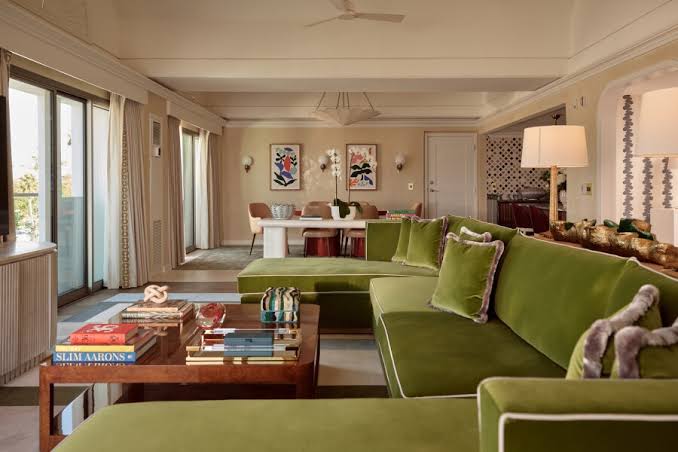
A extended family group coordinates a milestone trip to a historic European destination, requiring large multi-bedroom suites, traditional concierge assistance, and accessible infrastructure.
-
Step-by-Step Selection Process:
-
Map options within The Luxury Collection that occupy preserved historic palaces or grand city estates.
-
Verify the availability of true two- or three-bedroom suite configurations to ensure family unity under a single reservation.
-
Engage the property’s Clefs d’Or concierge desk via direct email 60 days out to pre-arrange private, step-free museum transfers.
-
Confirm that the historic facade incorporates modern vertical elevator access across all guest wings.
-
-
Key Components: Multi-bedroom residential suites, historic preservation landmarks, premium concierge support, verified elevator redundancy.
-
Representative Brands: The Luxury Collection.
Relevance of the Luxury Landmark Scenario
Historic European travel presents layout hurdles like narrow staircases and varying floor heights. Utilizing a Luxury Collection property ensures these historic features are backed by elite service standards, providing five-star physical accessibility and structured, professional assistance for multi-generational groups.
Scenario 2: The Regionally Immersive Beach and Forest Break
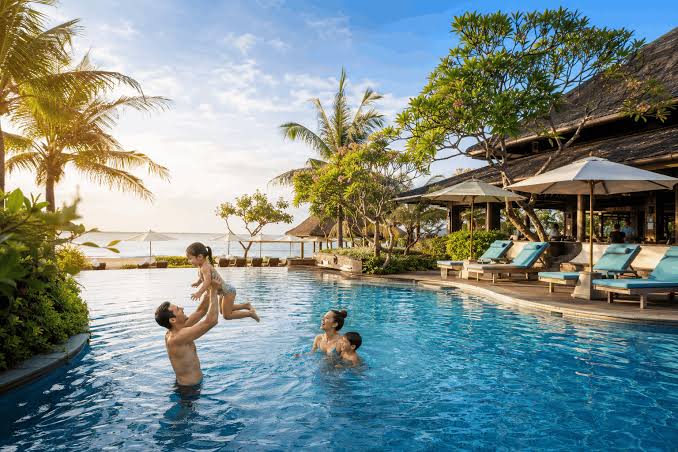
A family with a toddler and a school-aged child plans a resort vacation focused on outdoor learning, regional food sourcing, and child-safe pool spaces.
-
Step-by-Step Selection Process:
-
Screen Autograph Collection resort properties situated near national parks or coastal reserves.
-
Filter for room types featuring private patios or ground-floor lawns to allow young children open space to move safely.
-
Verify that the on-site dining options incorporate dedicated children’s menus built around fresh, locally sourced ingredients.
-
Confirm that swimming pools are secured by standalone structural fencing with high-perched safety latches.
-
-
Key Components: Ground-floor room footprints, certified kids’ clubs or eco-programs, localized farm-to-table menus, pool safety barriers.
-
Representative Brands: Autograph Collection.
Relevance of the Regional Resort Scenario
This application highlights the utility of the Autograph Collection. Families enjoy highly unique, nature-integrated resort designs while benefiting from reliable premium hotel features: consistent water purification systems, childproofing kits, and structured children’s activities that avoid the crowded feel of mass-market commercial mega-resorts.
Scenario 3: The Urban Art and Design District Weekend
A family traveling with teenagers coordinates a fast-paced city weekend focused on modern art galleries, boutique shopping, and trendy neighborhood food scenes.
-
Step-by-Step Selection Process:
-
Identify Tribute Portfolio or Design Hotels properties located within designated arts or industrial conversion districts.
-
Filter for loft-style layouts or open-plan suites featuring hard flooring surfaces to ensure space and minimize dust tracking.
-
Confirm that the hotel’s public common spaces or rooftop lounges offer a relaxed environment for teenagers to study or stream media.
-
Review the immediate neighborhood perimeter via satellite view to ensure pedestrian paths avoid high-traffic commercial transit corridors.
-
-
Key Components: Open loft suites, hard flooring profiles, media common spaces, neighborhood walkability.
-
Representative Brands: Tribute Portfolio, Design Hotels.
Relevance of the Urban Design Scenario
Teenagers prioritize visual aesthetics, technological connectivity, and independent neighborhood exploration. Sourcing a property within the Tribute Portfolio or Design Hotels networks places the family directly inside vibrant local communities, turning the hotel’s design and surroundings into a core highlight of the urban weekend.
Scenario Comparison
The Luxury Collection scenario focuses on historic preservation and formal, comprehensive guest service, making it an excellent match for multi-generational groups. The Autograph Collection scenario balances distinct design with practical child amenities, making it a natural choice for families with toddlers or school-aged children. The Tribute Portfolio and Design Hotels frameworks focus on bold aesthetics and community integration, which appeals to families with tech-focused teenagers.
Planning, Budgeting, and Ancillary Costs
Premium soft brands manage limited inventories of specialized multi-room layouts. Because their rooms are individually configured, pricing responds sharply to local occupancy velocities, seasonal events, and school holiday periods.
Sample Family Collection Budget & Allocation Framework
Note: The point requirements, cash values, and ancillary fees outlined below represent illustrative examples for a standard four-person family stay over five nights and will fluctuate based on live currency valuations, real-time demand curves, and regional economic conditions.
| Category | Estimated Resource Cost | Explanation | Optimization Tips |
| Premium Collection Room | $250 – $650 / night or 40,000 – 85,000 points / night | Base tariff for a family-sized room or junior suite within an independent collection network. | Utilize the “Stay for 5, Pay for 4” award benefit on standard standard-room point redemptions. |
| Ancillary Destination Fees | $30 – $55 / night | Daily corporate or urban facility levies covering local Wi-Fi, fitness center access, or bike rentals. | Check if highest-tier loyalty members are eligible for destination fee waivers or property credit offsets. |
| En-Suite Dining & Pantry | $80 – $180 / day | Daily breakfast, room service add-ons, or stocking an en-suite mini-fridge. | Opt for properties that include breakfast; collection hotels often emphasize premium local food sourcing. |
| Incidental Security Hold | $250 – $500 (Refundable) | A standard temporary credit card authorization hold placed at check-in to cover potential property damage. | Use a dedicated premium travel credit card to avoid freezing active checking or daily spending funds. |
Evaluation Strategies and Verification Frameworks
Executing an accurate marriott boutique hotels brand comparison for family travel requires moving past promotional copy to use objective research methodologies.
1. Corporate App Amenity Auditing
-
What it is: Reviewing explicit property parameters, bedding choices, and architectural layouts directly via the central corporate app interface.
-
Advantages: Guarantees that the displayed room types, square footage dimensions, and floor plans are corporate-vetted and legally compliant.
-
Disadvantages: Can exclude hyper-local property policies, such as specific children’s pool hours or seasonal kids’ club closures.
2. Digital Satellite Infrastructure Mapping
-
What it is: Using online satellite mapping platforms to analyze sidewalk quality, fence lines, and pedestrian safety corridors surrounding the property.
-
Advantages: Avoids the risk of booking a property situated along a high-traffic urban avenue or lacking crosswalk markers.
-
Disadvantages: Satellite imagery cannot track real-time commercial delivery truck staging or temporary construction detours.
3. Direct Front-Office Questionnaires
-
What it is: Submitting a structured email inquiry to the property’s guest experiences director to verify the availability of child assets before booking.
-
Advantages: Secures written confirmation regarding the availability of specific family assets, such as crib dimensions, balcony safety rail gaps, and window locks.
-
Disadvantages: Requires longer planning lead times and relies on individual property administrative response times.
4. Verified Travel Log Text Filtering
-
What it is: Filtering crowd-sourced travel review databases using targeted terms like “connecting door,” “thin walls,” “crib space,” or “family collection.”
-
Advantages: Uncovers the real-world operational functionality of a property, revealing details like thin insulation, low water pressure, or loud social hubs.
-
Disadvantages: Requires sorting through subjective individual complaints to pull out objective architectural and environmental facts.
Operational Risks, Pitfalls, and Standard Exceptions
Because soft-brand boutique properties retain their structural independence, they operate with specific policy variations that do not occur at standard corporate hotels.
Elite Benefit Variations under Soft-Brand Charters
-
The Issue: Parent corporate networks often modify their elite hospitality rulebooks for specific collection brands. For example, properties within the Design Hotels portfolio are legally exempt from providing standard elite perks like guaranteed late check-out or complimentary hot breakfast.
-
Mitigation Advice: Review the explicit brand exception guidelines on the central loyalty terms page before confirming your booking. If breakfast or late check-out is excluded from the reward rules, contact the property directly to ask about on-site upgrade rates or local dining alternatives.
Structural Room Inconsistencies in Converted Buildings
-
The Issue: A “Standard Room” or “Junior Suite” inside a converted historic townhouse or warehouse can vary in physical square footage, ceiling height, and window placement from one room to another within the same hotel.
-
Mitigation Advice: Avoid relying on generic room category titles. Send a polite email to the property’s front office manager requesting a room layout that features a flat, single-level floor plan with no interior decorative steps or narrow entry paths.
Aesthetic Design Elements vs. Childhood Safety
-
The Issue: Independent boutique properties place a premium on design identity. This can mean incorporating open floating staircases, sharp modern metal furniture, low horizontal balcony cables, or unsecured floor art that poses tipping hazards for toddlers.
-
Mitigation Advice: Complete a quick room sweep before unpacking your luggage. Move lightweight, fragile decor pieces and sharp decorative objects into high closets or onto tall dressers for the duration of your stay, and keep sliding glass doors locked.
Vibrant Lobby Social Hubs and Evening Noise Echoes
-
The Issue: Tribute Portfolio and select Autograph Collection properties often feature active lobby social spaces, open bars, or weekend live music events that can cause noise to echo into rooms situated directly above the lower floors.
-
Mitigation Advice: Request a room assignment located on an upper floor, situated at the terminal end of a corridor wing away from the main elevator banks, central atrium spaces, and evening entertainment zones.
Best Practices for Stay Management and Verification
Implementing a systematic review workflow immediately upon arrival protects your family’s comfort and ensures your reservation data tracks correctly across the network.
On-Site Arrival Assessment Protocol
-
Immediate Entry Structure Inspection: Walk the unit’s footprint before bringing in your luggage. Test the window safety locks, check the stability of heavy wardrobes or television stands, and ensure that all electrical outlets are clear of reaching hazards near child bedding areas.
-
Acoustic and Light Audit: Check the window curtains to ensure they provide adequate blackout coverage for early child bedtimes, and test the room’s soundproofing against street or courtyard noise.
-
Loyalty Profile Alignment: Confirm with the front desk team that your corporate loyalty number remains attached to the property’s local billing computer, ensuring accurate tracking of elite night credits and eligible incidental spending points.
The Importance of Regular Checking
Operational focus at independent properties can shift due to local management changes, property renovations, or seasonal staffing adjustments. Checking recent traveler input within a 90-day window before departure ensures that features like elevators, hot water systems, and kids’ clubs are operating reliably for your family’s arrival.
Documentation and Folio Tracking Integration
For travelers who manage multiple hospitality bookings, keeping an organized record of specific property configurations helps refine future travel plans.
Organizing Collection Travel Profiles
-
Log Successful Architectural Layouts: Record specific room sub-categories, building wings, or floor levels that offered the best sound insulation and spatial layouts.
-
Document Ancillary Fee Metrics: Track destination fees, parking costs, and local tax rates across different properties to improve the accuracy of future trip budgeting.
-
Store Management Contacts: Save direct email addresses for on-site managers who handled your family’s requests smoothly, helping simplify future reservations at those properties.
Family Travel Data Log Examples
Example 1: Historic Landmark Collection Log
-
Property Record: The Palace Estate (The Luxury Collection). Suite 312. Structure: Converted 18th-century masonry build. Elevator: Dual-car modern infrastructure clear. Flooring: High-density acoustic carpets. Noise Level: Extremely quiet; insulated from city traffic.
Example 2: Coastal Regional Resort Log
-
Property Record: The Coastal Lodge (Autograph Collection). Connected Rooms 104/106. Structure: Low-density coastal wood-and-stone build. Flooring: Hardwood with washable area rugs. Pool Status: Main resort pool fully enclosed with verified self-latching security gate.
Closing Summary
Executing a systematic marriott boutique hotels brand comparison for family travel allows travel planners to enjoy unique local design and central geographic access without sacrificing network loyalty benefits. By understanding the distinct focuses of each collection tier—from the formal service and residential layouts of The Luxury Collection to the nature-integrated designs of the Autograph Collection and the vibrant aesthetics of the Tribute Portfolio—families can choose properties tailored to their specific demographics. While independent soft brands require careful room verification, proactive benefit auditing, and clear safety checks, the result is an optimized, comfortable, and memorable vacation that blends boutique character with corporate distribution reliability.
Frequently Asked Questions (FAQ)
What is the primary difference between an Autograph Collection hotel and a standard Marriott hotel?
A standard Marriott hotel utilizes uniform corporate blueprints, predictable architectures, and standardized interior layouts designed for consistent global familiarity. An Autograph Collection hotel is an independent boutique property that retains its unique individual name, architectural identity, local interior design, and independent brand story while using the central company’s reservation engine and loyalty platform.
Are properties within the Design Hotels network fully compliant with standard elite loyalty benefits?
No. Under the network’s corporate soft-brand charter, properties participating in the Design Hotels collection are legally exempt from several standard brand mandates. These properties are not required to provide guaranteed late check-outs, complimentary hot breakfasts, or elite lounge access. Travelers must check individual property rules before booking to confirm which perks are recognized on-site.
How can a family ensure that a boutique collection suite features a true separate bedroom?
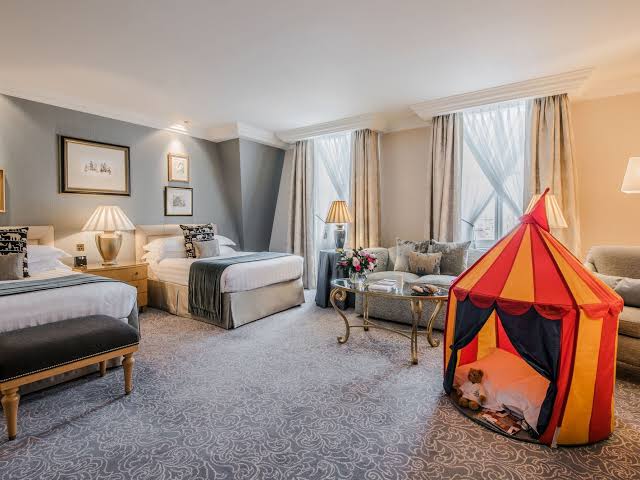
Many independent boutique properties use the word “Suite” to describe an oversized studio room featuring an open-concept layout with an integrated seating area. To ensure a room provides a true separate sleeping space with a physical door, parents should check the explicit room floor plans and square footage metrics on the corporate app or email the front office manager before booking.
Do independent collection hotels charge mandatory daily destination or resort fees?
Yes. Many independent properties located in dense urban centers or resort corridors add mandatory daily destination, facility, or amenity fees. These charges are legally binding and added to your final statement to cover services like high-speed Wi-Fi, fitness center entry, or local shuttle access, so it is important to factor them into your initial budget plans.
Are child safety assets like cribs and bottle warmers standardized across these collections?
No. Because soft-brand boutique properties manage their own daily operations, child safety assets are not standardized. While a property may provide premium wooden cribs or childproofing kits upon request, inventories are typically limited due to the hotel’s small scale. It is essential to reserve these items in writing immediately after booking.