The Strategic Blueprint for Family Road Trips: Navigating Iconic United States Highway Routes
Domestic vehicular travel across the United States offers a unique opportunity for geographic education, historical exploration, and landscape immersion. Unlike point-to-point commercial aviation, multi-day highway travel allows families to trace changing topographies and cultural matrices at their own pace. However, coordinating a long-distance drive with passengers of varying ages requires a shift from casual leisure planning toward a structured, methodical approach to routing, vehicle readiness, and resource allocation.
Selecting the ideal corridor involves balancing scenic value with practical infrastructure, such as medical linkages, road quality, and rest frequencies. Understanding best road trip routes in the united states for families provides a systematic framework to ensure passenger comfort, optimize fuel and lodging expenditures, and minimize transit friction. This guide establishes a comprehensive, textbook-quality overview of premium family routing categories, budgeting systems, and risk mitigation strategies for long-distance domestic travel.
Overview of Family Road Trips in the United States

Analyzing the best road trip routes in the united states for families requires a fundamental understanding of the National Highway System and regional infrastructure patterns. The domestic highway network is divided into sprawling, high-speed Interstate systems designed for rapid transit, and historic federal or state highways that wind through town centers, national parks, and rural landscapes. For family travel planners, a successful itinerary rarely relies on a single road type; instead, it blends high-speed paths for efficiency with scenic routes to maximize engagement.
Families commonly approach long-distance vehicle travel with the dual goals of visiting landmark destinations—such as national parks, historical monuments, and coastal corridors—while providing a predictable environment that supports a child’s natural sleep and biological schedules. The typical outcome of a well-researched route is a balanced trip where driving blocks are limited to manageable increments (typically 3 to 5 hours per day) and stopovers feature child-friendly infrastructure: wide green lawns, accessible walking paths, and reliable dining and lodging options. Breaking the selection process down into objective geographic categories allows planners to match their itinerary to the physical stamina and interests of their specific travel party.
Primary Routing Typologies and Geographies
United States driving corridors can be classified into distinct geographic frameworks based on terrain, historical layout, and pace.
Routing Framework Comparison
| Category / Type | Description | Common Use Case | Time / Cost / Effort Level |
| Coastal Scenic Corridors | Routes tracking ocean shorelines, utilizing state highways that offer high visibility, marine education, and frequent seaside access. | Beach-focused vacations; ideal for families seeking flat terrain and linear navigation paths. | Moderate Time / High Cost / Low Effort |
| National Parks Circuits | Sprawling loops connecting multiple federal preservation zones, prioritizing outdoor recreation, geology, and wildlife tracking. | Vacation itineraries with school-aged children or teenagers focusing on physical activity and natural sciences. | High Time / Medium-High Cost / High Effort |
| Historic and Cultural Trails | Paths following vintage trade routes, historic migrations, or early automotive highways lined with municipal archives and museums. | Educational trips designed to bring domestic history, architecture, and sociology lessons to life. | Moderate Time / Medium Cost / Moderate Effort |
| Alpine and Forested Byways | High-altitude mountain passes and interior forest corridors featuring dramatic terrain shifts and seasonal weather variations. | Summers or autumns away from high-temperature coastal plains, focusing on montane ecology and river valleys. | Low-Moderate Time / Medium Cost / High Driving Effort |
Selecting the Proper Routing Typology
Choosing between these geographic frameworks depends on passenger development stages and available travel windows. Coastal scenic corridors offer highly predictable service intervals and low-altitude driving conditions, making them an exceptional match for families traveling with infants or young toddlers who require frequent stops. Conversely, national parks circuits feature remote stretches and elevation changes that are better suited for older children and teenagers who can handle longer driving segments and participate in rugged outdoor recreation like hiking or kayaking.
Practical Scenarios and Regional Applications
Reviewing specific regional case studies demonstrates how to execute the best road trip routes in the united states for families across diverse domestic landscapes.
Scenario 1: The Pacific Coast Highway Linear Transit
A family traveling with a young toddler maps out a multi-day coastal transit along the California shoreline, requiring low daily driving averages, step-free scenic outlooks, and immediate access to urban medical and retail grids.
-
Step-by-Step Execution Process:
-
Isolate the central segment of California State Route 1 between San Francisco and Los Angeles, monitoring local transport reports for active roadway or landslide closures.
-
Limit daily driving milestones to a strict maximum of 3 hours, divided into two distinct 90-minute blocks matching the child’s morning and afternoon nap schedules.
-
Verify that overnight lodging options consist of single-story independent motels or bungalow suites to avoid navigating luggage through multi-story hotel elevators.
-
Coordinate mid-day stops around protected marine sanctuaries or tide-pool boardwalks to allow child movement away from vehicular traffic.
-
-
Key Elements: Linear shoreline navigation, split daily driving blocks, low-altitude terrain, immediate municipal infrastructure access.
-
Core Path Components: San Francisco, Monterey Peninsula, Big Sur perimeters, San Luis Obispo, Santa Barbara, Los Angeles.
Relevance of the Pacific Coast Scenario
This route provides a premier example of low-stress coastal travel. The consistent visibility of the ocean keeps children engaged, while the linear path eliminates navigation errors. Proximity to major coastal towns ensures that medical facilities, grocery stores, and pharmacy networks remain accessible at any point along the drive.
Scenario 2: The Southwest Grand Circle Wilderness Loop
A family with school-aged children coordinates a multi-state loop through the Colorado Plateau, looking for high density of geological formations, national parks, and active outdoor education.
-
Step-by-Step Execution Process:
-
Map out a continuous driving loop crossing the high-desert landscapes of Utah and Arizona using federal and state highway systems.
-
Secure an America the Beautiful national parks pass prior to departure to streamline entry through park gates.
-
Pre-register children for the National Park Service Junior Ranger programs at each visitor center to integrate structured, educational workbook activities into the journey.
-
Pack a heavy-duty, rotomolded ice chest stocked with bulk fresh provisions to ensure reliable nutrition across remote canyon segments that lack commercial dining.
-
-
Key Elements: Multi-park circuit loop, federal pass optimization, Junior Ranger integration, off-grid meal provisioning.
-
Core Path Components: Las Vegas departure, Zion National Park, Bryce Canyon, Capitol Reef, Arches and Canyonlands, Monument Valley, Grand Canyon Rim, return to base.
Relevance of the Southwest Loop Scenario
The Grand Circle contains the highest concentration of national parks in the nation. This circuit turns the vehicle into a rolling classroom where children interact directly with physical geology, erosion patterns, and paleontology, while parents leverage the park system’s structured trail markings and ranger-led tours to ensure outdoor safety.
Scenario 3: The Blue Ridge Mountains Heritage and Forest Pass
A family with teenagers plans an autumn exploration following an elevated montane ridge, balancing panoramic mountain views with Appalachian cultural history and valley river recreation.
-
Step-by-Step Execution Process:
-
Target the continuous, commercial-vehicle-free alignment of the Blue Ridge Parkway spanning the Appalachian chain.
-
Confirm that the tow vehicle or family SUV undergoes a full pre-departure braking system and transmission fluid audit to handle long, continuous mountain grades safely.
-
Load the vehicle’s infotainment system with regional folk audiobooks, historical audio tours, and acoustic Appalachian media to provide cultural context.
-
Schedule daily afternoon trail excursions along ridge summits or valley waterfalls to break up multi-hour driving stretches.
-
-
Key Components: Commercial-free parkway tracks, high-altitude brake inspections, pre-loaded cultural audio media, ridge trail coordination.
-
Core Path Components: Shenandoah National Park, Skyline Drive, Blue Ridge Parkway corridor, Great Smoky Mountains National Park termination.
Relevance of the Blue Ridge Scenario
The Blue Ridge Parkway features a highly regulated, low-speed driving environment completely isolated from commercial trucking networks. This makes it an exceptional choice for families traveling with teenagers, providing a quiet, scenic driving experience that links environmental science with deep regional heritage and outdoor adventure.
Scenario Comparison
The Pacific Coast Highway scenario prioritizes infrastructure density and low driving averages, which is ideal for managing the volatile schedules of toddlers. The Southwest Grand Circle scenario focuses on geological immersion and multi-park exploration, offering high physical activity levels for school-aged children. The Blue Ridge Mountains scenario utilizes a commercial-free, low-speed mountain pass that emphasizes cultural history and canopy hiking for teenagers.
Planning, Budgeting, and Resource Allocations
Executing a multi-state family vehicle trip requires structured financial planning. Unlike stationary vacations, road trips involve dynamic cost variables—including changing fuel taxes across state lines, highway toll fees, park entry tariffs, and seasonal lodging adjustments—that must be tracked systematically.
Sample Family Road Trip Budget & Value Framework
Note: The values, allocations, and consumption figures outlined below serve as illustrative examples for a standard four-person family executing an eight-day domestic highway transit and will fluctuate based on real-time economic changes, regional demand, and vehicle fuel efficiency.
| Category | Estimated Resource Allocation | Explanation | Optimization Tips |
| Fuel Procurement | $300 – $600 total | Base fuel expenditure computed across an estimated 1,500-mile itinerary assuming a vehicle yield of 20–25 MPG. | Utilize fuel-mapping applications to track local price drops; refuel along state borders where local fuel taxes are lowest. |
| En-Route Accommodations | $140 – $280 / night | Overnight stays at clean, mid-tier independent properties, suites, or park lodges near the highway corridor. | Book properties located 15 to 30 minutes outside major metropolitan zones or primary park gates to capture lower room tariffs. |
| Park Admissions & Tolls | $80 – $150 total | National park vehicle entry passes, state park gate fees, and automated highway turnpike electronic tolls. | Purchase an annual Interagency National Parks Pass ($80) if planning to visit three or more federal sites within a 12-month window. |
| Daily Food & Provisions | $90 – $180 / day | Cooler ice replenishments, fresh local produce baskets, roadside dining, and hydration multi-packs. | Maintain a high-efficiency insulated cooler stocked with bulk groceries to minimize reliance on expensive highway service stations. |
| Roadside Emergency Reserve | $400 (Set aside) | A dedicated cash or credit card buffer reserved for unexpected tire replacements, line repairs, or diagnostic fees. | Verify that your primary automotive insurance or credit card membership includes nationwide roadside towing coverage. |
Strategic Systems and Navigation Options
Managing a cross-country or regional family itinerary requires evaluating different navigational, data-tracking, and logistical support channels.
1. Multi-State Electronic Toll Transponders
-
What it is: Installing an integrated electronic toll collection transponder (such as E-ZPass or Uni) that functions automatically across multiple state turnpike networks.
-
Advantages: Eliminates cash lane delays; secures automated volume discounts on state turnpikes; simplifies expenses via a single online billing portal.
-
Disadvantages: Requires an initial prepaid cash deposit; transponders must be physically mounted correctly to avoid gate read errors.
2. Pre-Downloaded Offline Digital Mapping Quadrants
-
What it is: Pre-loading entire regional map sectors onto your phone or vehicle hardware storage drive before entering wilderness or remote corridors.
-
Advantages: Guarantees continuous turn-by-turn navigation through canyons, mountain passes, and rural sectors where cellular towers are absent.
-
Disadvantages: Requires local storage space on your device; maps must be updated right before departure to account for temporary construction detours.
3. Integrated Vehicle Infotainment Media Loops
-
What it is: Curating an organized list of educational audiobooks, localized history podcasts, and regional music connected directly to the vehicle’s sound system.
-
Advantages: Reduces screen-fatigue for children; transforms long driving blocks into shared educational lessons; keeps drivers focused on the road.
-
Disadvantages: Requires advance manual curation before departure; media selections must appeal to diverse age groups within the vehicle.
4. High-Insulation Rotomolded Coolers
-
What it is: Utilizing a commercial-grade, thick-walled ice chest designed to maintain cold, food-safe temperatures for multiple days without daily ice refills.
-
Advantages: Preserves fresh milk, formula, and perishable fruits over long stretches; drastically reduces reliance on unhealthy fast-food stops.
-
Disadvantages: Significant physical weight footprint; takes up valuable cargo space inside the vehicle’s trunk or rear storage area.
Safety, Risks, and Common Highway Challenges
Long-distance family travel introduces specific operational challenges that require proactive oversight. Travel planners should pay close attention to these four common risks.
Blind Spots and Over-Choked Rear Cargo Stacking
-
The Issue: Packing bulky luggage, strollers, and coolers can easily stack items above the rear seat line, completely blocking the driver’s rear-view visibility and turning loose gear into dangerous projectiles during a sudden stop.
-
Prevention Advice: Pack heavy items flat on the trunk floor, keeping all gear below the top of the back seat line. Use heavy-duty cargo nets or tie-down straps to secure loose items, or utilize an aerodynamic exterior roof-box enclosure for lightweight, bulky items like sleeping bags and winter jackets.
Circulatory Stasis and Driver Fatigue
-
The Issue: Sitting still for extended driving stints over four hours restricts lower-body circulation, which can cause muscle cramps and physical fatigue in adults, alongside extreme restlessness and behavior issues in children.
-
Prevention Advice: Enforce a strict “2-Hour Stop Rule.” Pull over every 120 minutes at a safe rest area, state welcome center, or park playground to allow all passengers to stand, stretch, and walk for a full 10 to 15 minutes to keep circulation moving.
Ignition and Auxiliary Electronics Battery Drain
-
The Issue: Modern family road trips rely on multiple electronic devices, including tablets, mobile phones, and portable DVD screens, alongside 12V travel fridges. Plugging all these devices into a single vehicle circuit can blow fuses or drain the main battery when the engine is idling.
-
Prevention Advice: Use a standalone portable power bank station to handle charging for passenger electronics and accessories. This keeps your device charging completely separate from the vehicle’s primary electrical system, protecting the starting battery.
Shifting Regional Traffic and Child Safety Regulations
-
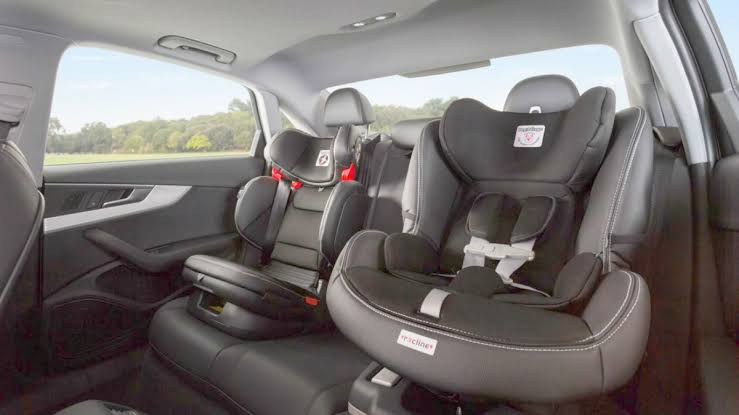
The Issue: Child safety seat mandates, booster seat age cutoffs, and hands-free cellular communication laws vary significantly from state to state across the country. A car seat setup that is compliant in your home state could incur heavy safety fines in an adjacent state.
-
Prevention Advice: Review the child safety and distracted-driving laws for every state along your planned route before departure. Ensure your car seats are installed and used according to the strictest state standards on your itinerary to keep children safe and ensure legal compliance.
Best Practices for Daily Vehicle Maintenance and Management
To ensure your vehicle operates reliably over thousands of miles, implement a quick daily check-in routine before hitting the road each morning.
Daily Pre-Drive Verification Protocol
-
The Engine Bay Audit: Pop the hood each morning before starting the engine. Check the engine oil dipstick level, verify the engine coolant expansion tank capacity, and top off the windshield washer fluid to handle bugs and highway dust.
-
The Tire and Chassis Walkaround: Inspect all four tires when cold using a digital pressure gauge to ensure they match the manufacturer’s recommended PSI listed on the driver’s door jamb. Look closely for embedded gravel, nails, or sidewall bulges, and verify that your windshield wiper blades wipe cleanly without streaking.
-
The Cabin Organization Sweeps: Clear out all accumulated trash from child seating rows at the end of each day. Re-stash emergency tracking gear, wipe down high-touch hard surfaces, and re-freeze cooler gel packs overnight at your hotel to ensure proper food cooling capacity for the next day’s drive.
Documentation, Itinerary Logs, and Data Tracking
For frequent travelers, maintaining an accurate log of vehicle performance, route notes, and asset placement simplifies long-distance travel planning for future trips.
Organizing Travel Tracking Portfolios
-
Log Fuel Performance Metrics: Record your vehicle’s real-world miles-per-gallon yield across changing mountain, plains, and urban environments to improve future budget accuracy.
-
Consolidate Physical Medical Records: Keep paper copies of health insurance cards, childhood immunization records, and explicit physician prescription listings stored in a secure, waterproof document folder inside the glove box or front console.
-
Track Successful Activity Patterns: Note the specific rest areas, park locations, or dining hubs that offered the best amenities for children, creating a verified resource file for future long-distance routes.
Family Travel Data Log Examples
Example 1: Pacific Coast Corridor Log
-
Transit Metrics: Day 2, California Route 1 (Southbound segment). Vehicle Status: Tire pressures tracking normal specifications; windshield wiper fluids topped off. Refueling Check: Completed along state line. Stopover Node: Marine boardwalk cleared for toddler foot movement.
Example 2: Southwest Mountain Loop Log
-
Transit Metrics: Day 5, Utah Route 12 (High-Desert elevation change). Hydration Reserve: 5 Gallons of potable water checked and secure inside rotomolded chest. Offline Navigation: Quadrant 3 pre-loaded and running smoothly. Junior Ranger Workbooks: Completed for Zion and Bryce Canyon segments.
Closing Summary
Selecting from the best road trip routes in the united states for families transforms a long-distance drive from a stressful logistical challenge into a highly organized, safe, and educational experience. By breaking your travel planning down into clear, structured modules—including matching geographic typologies to your child’s age, investing in rotomolded coolers and multi-state toll transponders, setting up offline navigation maps, and enforcing a strict 2-hour stop routine—you can protect your family’s safety and comfort across thousands of miles. While organizing this comprehensive framework requires more time and careful tracking, the result is a smooth, efficient journey that lets you focus on creating memories together on the open road.
Frequently Asked Questions (FAQ)
What are the most critical mechanical checks required before a family road trip?
Before starting a long-distance family drive, your vehicle should undergo a comprehensive professional inspection. This includes evaluating the brake pads and rotors, testing the battery’s cold-cranking amps, inspecting all engine belts and coolant hoses for signs of wear or cracking, changing the engine oil, checking the transmission and steering fluids, and verifying that all four tires—including the spare—have safe tread depth and are inflated to the proper pressure.
How often should a family stop during a long-distance highway transit?
As a best practice for physical safety and passenger comfort, you should implement a strict stop routine every two hours or 120 miles. Pulling over at a safe rest area, welcome center, or park playground for 10 to 15 minutes allows all passengers to stand, stretch, and walk around. This routine keeps lower-body circulation moving, helps prevent driver fatigue, and allows children to burn off energy, which significantly improves behavior during the next driving chunk.
Why should I pre-download maps offline if my vehicle has an integrated GPS system?
While factory-installed GPS systems are helpful, they can become outdated or lose signal tracking capability when driving through deep canyons, remote mountain passes, or isolated desert corridors. Pre-downloading regional map quadrants directly onto your mobile phone or storage drive ensures you retain access to turn-by-turn navigation, localized road data, and emergency services information even when cellular networks are completely unavailable.
Are child safety seat regulations identical across all states?
No. Child safety seat laws, weight thresholds, booster seat age cutoffs, and front-seat restrictions vary significantly by state. To avoid safety fines and ensure maximum protection, you should research the child passenger safety laws for every state along your intended route before departure, and install and use your car seats according to the strictest standards on your itinerary.
How can I save money on park entry fees if visiting multiple national parks?
If your family road trip route includes visits to three or more federal preservation sites within a 12-month period, you should purchase the America the Beautiful National Parks and Federal Recreational Lands Annual Pass. The pass costs $80 and covers standard vehicle entry fees for the driver and all passengers at more than 2,000 federal recreation sites across the country, saving money compared to buying individual park day-passes.