The Structural Blueprint for Premium Outdoor Hospitality: Navigating Luxury Glamping in Australia
Outdoor hospitality in Australia has transitioned from traditional rustic campsites to highly engineered, structurally robust canvas networks. Driven by a consumer demand for wilderness immersion that does not compromise physical comfort, the premium glamping market utilizes architectural innovations like insulated structural canvas, elevated eco-decks, and off-grid solar-thermal grids. For multi-generational travel groups, this hybrid model offers immediate exposure to fragile native ecosystems—ranging from tropical rainforests to arid outback plains—while maintaining the standard amenities of an upscale hotel.
When planning for a family, selecting an appropriate wilderness retreat requires analyzing more than just aesthetic design. Sourcing luxury glamping resorts in Australia with family amenities requires an objective assessment of structural safety measures, spatial layout configurations, age-appropriate recreational infrastructure, and strict compliance with ecological protection rules. This guide provides a detailed blueprint for evaluating, budgeting, and safely managing premium outdoor stays across Australia’s unique environmental zones.
Overview of High-End Family Glamping in Australia
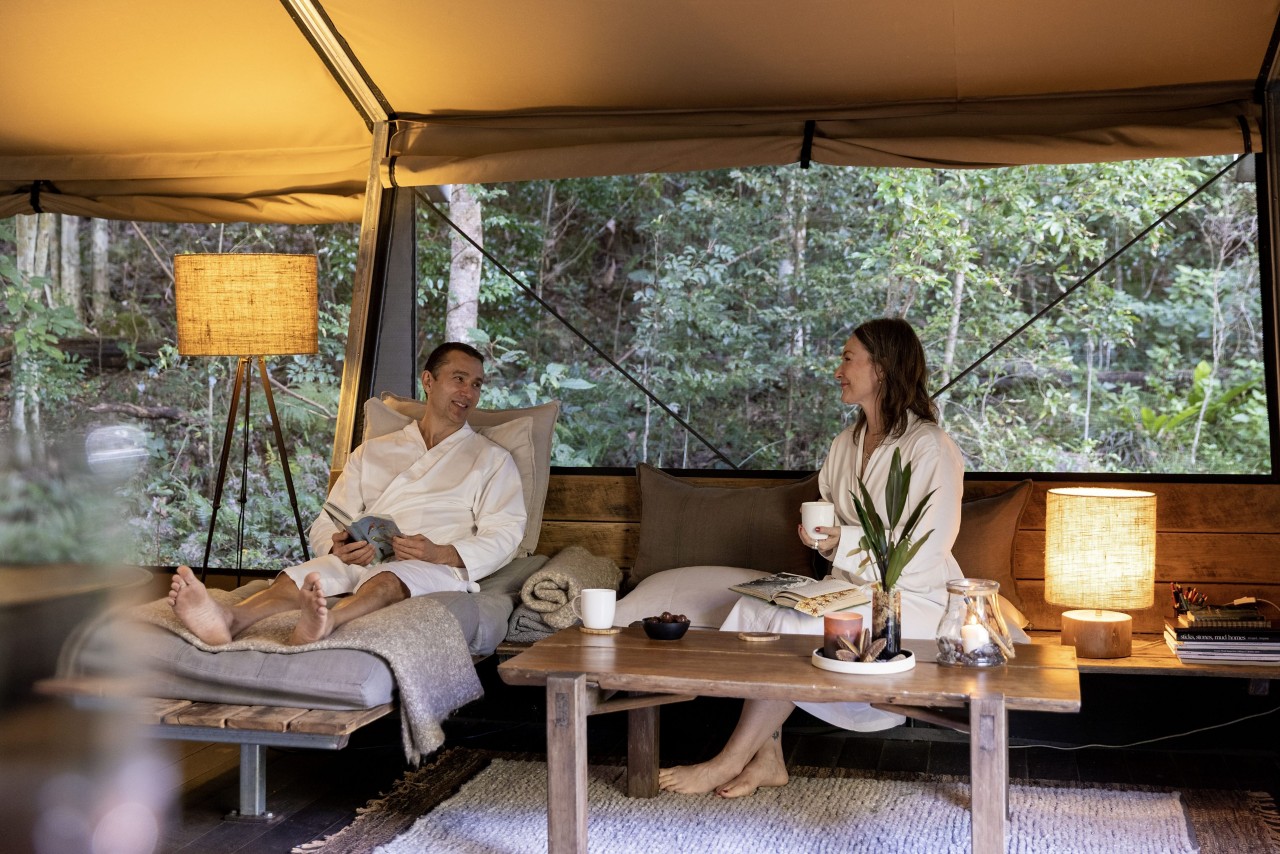
Understanding the operational structure of luxury glamping resorts in Australia with family amenities requires looking past standard tourism labels to analyze the actual property layout. In the Australian marketplace, a premium glamping resort is defined as a low-density development featuring permanent or semi-permanent fabric structures built on solid structural platforms. These accommodations typically offer en-suite bathrooms, reverse-cycle climate control, structural insulation, and high-end bedding.
Families commonly use these properties to escape high-density urban resorts, aiming to introduce children to native wildlife and conservation concepts in a controlled environment. The operational goal is to balance the adventure of a camping trip with the practical necessities of family travel: reliable hot water systems, safe paths, on-site food options, and fenced pool or water play zones. Evaluating a site involves confirming that its environmental management systems—such as off-grid solar systems and greywater recycling loops—are supported by reliable safety features that keep children secure in wilderness settings.
Primary Property Typologies and Structural Layouts
Premium outdoor hospitality structures across Australia are engineered to withstand distinct regional weather patterns. These variations dictate how well a layout can accommodate specific family configurations.
Structural Typology Matrix
| Category / Type | Description | Common Use Case | Time / Cost / Effort Level |
| Multi-Room Safari Pavilions | Heavy-duty, triple-layered canvas structures built on steel-reinforced timber decks, featuring separate bedrooms and integrated en-suite plumbing. | Coastal or bushland settings; ideal for larger families requiring distinct sleeping spaces for children. | Low Setup Time / High Cost / Low Effort |
| Geodesic Eco-Domes | Spherical, high-tensile steel frames wrapped in architectural membranes, featuring large transparent panels and excellent climate efficiency. | Desert or valley environments with extreme high and low temperature shifts. | Moderate Setup Time / High Cost / Low Effort |
| Elevated Rainforest Treehouses | Timber-and-canvas structures built on high piers to protect the forest floor, connected by raised pedestrian boardwalks. | Forested canopy zones; best suited for families with older children or teenagers. | High Construction Time / High Cost / High Effort |
| Industrial Glamtainers | Repurposed shipping container frames expanded with fold-out canvas wings, hard walls, and modern double-glazed glass panels. | Beachfront or windy coastal strips requiring high structural wind resistance. | Low Setup Time / Medium Cost / Low Effort |
Selecting the Proper Structural Format
Choosing among these architectural formats depends on child development stages and local weather trends. Multi-room safari pavilions provide distinct sleeping areas, making them highly functional for families managing volatile infant or toddler sleep schedules. Geodesic eco-domes optimize airflow and heating efficiency, which suits the dramatic overnight temperature drops of the central outback. Elevated treehouse models offer exceptional biophilic integration but present height risks, meaning they are less appropriate for toddlers but highly engaging for older children interested in forest ecology.
Practical Scenarios and Regional Applications
Reviewing specific regional applications shows how families can select luxury glamping resorts in Australia with family amenities based on the geographic setting and their trip goals.
Scenario 1: The Coastal Eco-Resort and Water Park Base
A family with a toddler and a school-aged child plans a beach vacation, requiring direct pedestrian access to calm water, integrated water parks, and fenced outdoor structures.
-
Step-by-Step Selection Process:
-
Target properties along the coastal strips of Queensland or New South Wales that offer custom-built multi-room safari tents.
-
Filter for sites that feature private en-suite bathrooms with clawfoot tubs or integrated showers to avoid using shared public facilities.
-
Verify that the tent patio layout includes a sunken lounge or a secure railing system to keep toddlers contained during downtime.
-
Confirm that the resort incorporates dedicated family amenities, such as water parks with splash zones, jumping pillows, and fenced resort pools.
-
-
Key Components: Air-conditioned safari canvas, en-suite bathroom plumbing, standalone water park access, on-site dining cafes.
-
Representative Settings: Sandstone Point or the Gold Coast coastal corridors in Queensland; the Central Coast perimeter in New South Wales.
Relevance of the Coastal Resort Scenario
Coastal resort glamping reduces the logistical friction often associated with beach camping. By choosing a property that pairs premium canvas lodging with extensive water park infrastructure, parents can enjoy an outdoor environment while children access structured, lifeguarded play areas without needing long car transfers.
Scenario 2: The Bushland Wildlife and Conservation Immersion
A family with school-aged children seeks an educational vacation focused on native marsupial tracking, dark-sky stargazing, and regional conservation programs.
-
Step-by-Step Selection Process:
-
Identify low-density eco-camps located inside or adjacent to national parks or protected wildlife sanctuaries.
-
Filter for properties that operate on solar microgrids and enforce strict wildlife-safe food storage protocols to prevent animal entry.
-
Select canvas suites built along raised timber boardwalks, ensuring the family does not walk on fragile native ground cover at night.
-
Book structured, resort-managed educational programs, such as private night-safari wildlife walks or Aboriginal-guided tracking tours.
-
-
Key Components: Solar-powered battery hubs, raised boardwalk paths, on-site conservation guides, dark-sky outdoor lighting.
-
Representative Settings: Jervis Bay bushland in New South Wales; Lamington National Park margins in Queensland; Wilpena Pound in South Australia.
Relevance of the Bushland Scenario
This application provides a practical lesson in environmental science. Operating within a checked eco-camp allows children to see sustainability measures in real time—such as solar tracking arrays and greywater recycling—while keeping them safe from direct wildlife hazards through professional on-site management.
Scenario 3: The Outback Desert Safari Camp
A family with teenagers coordinates a trip into the arid interior, prioritizing views of geological landmarks, high-performance climate control, and rugged outdoor recreation.
-
Step-by-Step Selection Process:
-
Locate premium desert camps featuring curved timber viewing decks, architectural tent ceilings, and floor-to-ceiling glass paneling.
-
Verify that the structural units include reverse-cycle air conditioning to handle extreme outback daytime heat and overnight freezing shifts.
-
Confirm that the resort layout features a central dining pavilion that prepares all regional meals, eliminating the need for self-catering storage.
-
Select excursions tailored for older children, such as 4WD geological tours, canyon rim walks, or scenic flight path bookings.
-
-
Key Components: High-tensile insulated membrane ceilings, reverse-cycle HVAC systems, central dining halls, 4WD exploration assets.
-
Representative Settings: Red Centre regions near Uluru-Kata Tjuta National Park in the Northern Territory; the Flinders Ranges corridor in South Australia.
Relevance of the Outback Scenario
The remote outback presents extreme weather and logistical challenges. Sourcing an ultra-luxury desert safari camp ensures that the harsh environment does not cause safety risks for the family, providing five-star insulation, continuous power, and expert-led tours through challenging desert terrains.
Scenario Comparison
The Coastal Resort scenario prioritizes high-density child play amenities and water parks, which suits younger children. The Bushland scenario focuses on low-impact conservation and wildlife education, making it excellent for active, hiking-oriented families. The Outback scenario utilizes advanced structural insulation and mechanical climate systems to manage extreme desert weather, making it an exceptional fit for families traveling with teenagers.
Planning, Budgeting, and Resource Allocations

Operating a luxury glamping property off-grid involves unique costs, including solar battery system upkeep, deep-well water filtration, and low-density land management. Consequently, budgeting requires anticipating cost structures that differ from standard brick-and-mortar hotels.
Sample Family Glamping Budget Framework
Note: The values, fees, and allocations detailed below serve as illustrative examples for a four-person family stay over five nights and will fluctuate based on seasonal demand, geographic isolation, and economic conditions.
| Category | Estimated Allocation | Explanation | Optimization Tips |
| Family Safari Suite | $350 – $850 / night | Premium multi-bed canvas suite featuring structural insulation and private en-suite plumbing. | Book during regional shoulder seasons (e.g., late autumn or early spring) when base tariffs compress by 20–30%. |
| Off-Grid Operational Levies | $0 – $50 / stay | Optional or mandatory contributions for carbon offsetting or remote waste-treatment management. | Check if the resort waives specific facility fees for families who participate in on-site native planting programs. |
| Eco-Educational Youth Assets | $40 – $120 / activity | Guided wildlife tracking, indigenous cultural walks, or outdoor survival workshops for kids. | Look for properties that bundle daily children’s conservation club access into the base room rate. |
| Regional Dining & Provisions | $100 – $250 / day | On-site café dining, estate-grown breakfasts, or curated barbecue hampers for private tent decks. | Choose half-board or full-board room tiers at booking, which independent lodges often price lower than ala carte options. |
| Environmental Security Hold | $200 – $500 (Refundable) | A temporary credit card authorization hold placed at check-in to ensure compliance with Leave No Trace guidelines. | Brief children on camp safety rules (such as staying on boardwalks) before arrival to prevent accidental landscape damage. |
Research Strategies and Verification Methods
To systematically identify authentic luxury glamping resorts in australia with family amenities, travelers should use objective verification methods rather than relying entirely on promotional marketing text.
1. Ecotourism Australia Certification Checks
-
What it is: Cross-referencing properties against the official online database maintained by Ecotourism Australia to verify their Advanced Ecotourism or Nature Tourism credentials.
-
Advantages: Guarantees that the camp’s waste treatment, energy sourcing, and wildlife interactions are independently audited.
-
Disadvantages: Newly opened or very small family-run glamping sites may still be completing the multi-year auditing process.
2. Digital Satellite Terrain Analysis
-
What it is: Using online satellite map programs to evaluate sidewalk widths, fence boundaries, vegetation density, and water feature locations around your tent deck.
-
Advantages: Clearly reveals hidden safety risks, such as unfenced river drops, proximity to commercial highways, or lack of perimeter gates.
-
Disadvantages: Cannot track real-time property updates like recently added temporary safety fences or walkway repairs.
3. Direct Operations Questionnaires
-
What it is: Sending a structured pre-booking email to the camp director to verify the physical dimensions of on-site equipment before booking.
-
Advantages: Secures written confirmation regarding child safety features, such as canvas zipper lock heights, balcony railing spacing, and potability of tap water.
-
Disadvantages: Requires longer planning lead times and relies on individual property administrative response times.
4. Verified Travel Log Text Filtering
-
What it is: Filtering customer review databases using targeted terms like “glamping kids,” “tent noise,” “bathroom layout,” or “wildlife fence.”
-
Advantages: Uncovers functional realities regarding thin fabric walls, temperature control consistency, and how welcoming the staff is to young children.
-
Disadvantages: Requires sorting through subjective individual complaints to pull out objective architectural and operational facts.
Safety, Operational Risks, and Environmental Mitigation
Transitioning from a traditional sealed hotel room to a fabric structure introduces environmental variables that require active mitigation from parents.
Unsecured Food Storage and Wildlife Entry
-
The Issue: Scented baby wipes, infant formula, or uncovered snacks left inside canvas tents can attract insects, venomous reptiles, or curious native marsupials through unzippered screens.
-
Prevention Advice: Enforce a strict “no food” policy inside the sleeping structures. Store all foodstuffs, snacks, formula, and scented toiletries inside the resort’s centralized animal-proof steel lockers or within a hard-sided vehicle.
Fabric Wall Acoustic and Light Conductivity
-
The Issue: Canvas walls do not block sound or morning sunlight as effectively as brick-and-mortar buildings. Evening noise from communal fire pits or early morning birdsong can disrupt toddler sleep schedules.
-
Prevention Advice: Request a tent assignment located at the perimeter of the resort wing, away from central dining halls and shared fire pits. Bring portable white-noise machines and high-density blackout travel shades to hang over window meshes.
Off-Grid Electrical Capacity Management
-
The Issue: Glamping units powered by solar arrays or micro-hydro networks maintain strict limits on peak wattage per unit. Plugging in high-wattage personal appliances (like travel kettles or hair straighteners) can trip the circuit breakers.
-
Prevention Advice: Limit device usage and charge essential electronics strictly during peak daylight hours when the solar system is actively generating power. Use only the low-energy heating or cooling devices provided by the property.
Deck Clearances and Railing Vulnerabilities
-
The Issue: To preserve views, some premium glamping platforms incorporate wide horizontal wire railings or elevated open-edge wooden decks that present climbing or falling hazards for toddlers.
-
Prevention Advice: Review structural tent photos before booking. Request single-story ground-level units or tents built on low-clearance blocks, and ensure that exterior canvas doors feature high security zippers that remain out of reach of young children.
Best Practices for Site Assessment and Property Verification
Implementing a structured operational checklist upon check-in ensures that the room’s sustainable features and child safety layouts work seamlessly together for your entire stay.
Operational Family Stay Checklist
-
At Check-In: Tour the tent footprint with the site guide, check that all insect screens zipper closed tightly without gaps, locate the main power isolation switch, and note the placement of the zero-waste sorting bins.
-
During the Stay: Adjust your schedule to match daylight hours to conserve battery storage, keep canvas entryways zipped completely closed at all times to prevent insect entry, and follow the resort’s water conservation rules.
-
At Check-Out: Request an electronic invoice sent directly to your email to reduce paper waste, check your statement for local conservation fund contributions, and share feedback on how the tent features worked for your family.
The Importance of Regular Reviews
Off-grid utility systems—including solar battery storage banks, deep-well water pumps, and greywater filtration fields—require continuous oversight to handle seasonal changes and guest usage. Checking recent traveler input within a 90-day window before departure ensures that features like hot water systems, path lighting, and local trail access are operating reliably for your family’s arrival.
Documentation, Mapping, and Inventory Management
Because luxury glamping resorts are frequently situated away from major commercial centers, keeping clear records of your itinerary, safety data, and gear organization is essential for smooth logistics.
Tips for Managing Remote Site Information
-
Maintain Analog Backups: Print hard copies of topographical access maps, booking confirmations, and emergency vehicle routing, as cellular signals can be intermittent near national parks.
-
Consolidate Medical Emergency Data: Document the contact details, geographic coordinates, and clear driving paths to the closest 24-hour regional hospital relative to the glamping site.
-
Implement Weatherproof Packing: Organize family gear into heavy-duty, color-coded dry bags to prevent dust or moisture infiltration through canvas entryways.
Family Travel Data Log Examples
Example 1: Coastal Safari Resort Log
-
Property Record: Tent 14 (Family Safari Layout), Queensland Coast. Power Source: Direct grid hybrid. Climate Control: Integrated reverse-cycle HVAC. Safety Setup: Sunken patio lounge with vertical timber railings. Water Park Proximity: 3-minute walk via paved pedestrian path.
Example 2: Off-Grid Bushland Camp Log
-
Property Record: Eco-Pavilion B, Jervis Bay Bushland margins. Power Source: Dedicated 2.5 kWh solar battery bank per unit. Climate Control: Low-emission wood stove and solar fans. Safety Setup: Elevated deck on 1-meter piers connected by raised timber boardwalks. Water Status: Multi-stage UV-filtered rainwater tap (potable).
Closing Summary
Locating the luxury glamping resorts in Australia with family amenities gives families an excellent opportunity to experience unique natural landscapes without sacrificing modern comfort. By moving past standard travel formats and focusing on audited eco-certifications, robust structural designs, and clear child safety measures, families can explore fragile environments responsibly. While these off-grid properties require more intentional planning, careful energy management, and active safety checks, the result is a safe, comfortable, and highly educational vacation that reduces your environmental footprint while building a long-term appreciation for nature conservation.
Frequently Asked Questions (FAQ)
What defines a resort as a luxury glamping property with family amenities?
A luxury glamping property with family amenities pairs upscale, permanent fabric structures—featuring private en-suite bathrooms, comfortable bedding, and climate control—with dedicated resources for children. These resources can include multi-room tents, secure patio safety railings, on-site dining options, kids’ conservation clubs, and fenced water play or resort pool zones.
How do off-grid glamping sites handle emergency medical situations for children?
Premium glamping resorts maintain dedicated, continuous emergency communication channels, such as satellite phones, marine radios, or cellular boosters at the central manager’s office. On-site management teams are typically trained in wilderness first aid, and properties keep comprehensive medical kits on hand. Prior to booking, families should verify the exact driving time to the nearest 24-hour regional hospital.
Can we safely plug in medical or baby-care electronics inside a glamping tent?
Most premium glamping units provide low-voltage, solar-powered USB charging ports suitable for mobile phones or camera batteries. However, high-wattage personal appliances (like travel kettles, hair straighteners, or heavy bottle warmers) can overload off-grid systems. If you require continuous power for essential medical devices like CPAP machines, clear this with the property management before booking to ensure they can allocate an appropriate battery array.
Are canvas glamping tents safe from native Australian wildlife entry?
Yes, provided standard camp etiquette is followed. Premium tents feature heavy-duty commercial zippers and high-density mesh screens designed to keep out insects and wildlife. Parents must ensure that all entry zippers are closed completely at all times and that no food, formula, or scented items are kept inside the sleeping structure, as these can attract curious animals.
What architectural layouts are safest for families traveling with toddlers?
For families traveling with toddlers, single-story safari tents or luxury pods built on low-clearance blocks or flat ground are the safest choices. Parents should avoid elevated treehouse configurations or tents built on high piers that require navigating steep steps, suspension bridges, or wide-spaced horizontal wire railings until children are older and more physically coordinated.