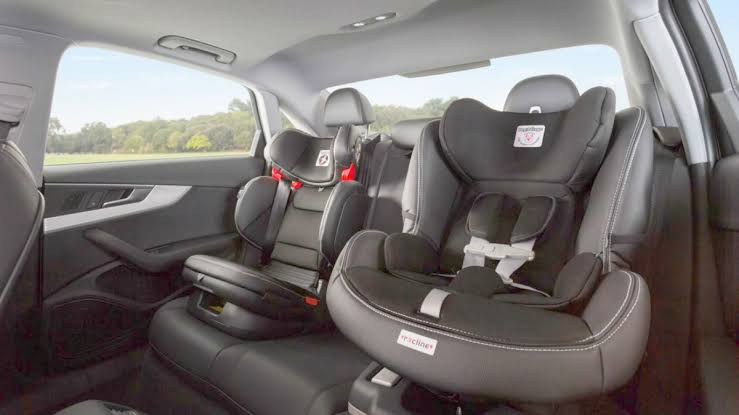
A Comprehensive Guide to Family Transport Logistics: Securing Premium Vehicles with Child Safety Restraints
Traveling with infants, toddlers, or young children introduces complex logistical demands, particularly when transitioning from aviation terminals to ground transportation. While standard car rentals provide utilitarian mobility, discerning travelers frequently opt for premium or luxury automotive tiers to secure advanced safety configurations, superior cabin comfort, and ample cargo space. Integrating mandatory child safety restraints into these high-end vehicle bookings requires careful navigation of rental agency policies, regional safety legislation, and equipment availability protocols.
Failing to properly coordinate child seats with a premium vehicle reservation can lead to significant delays at the rental counter, unexpected financial surcharges, or compromises in passenger safety. This educational guide establishes a methodical framework for navigating the premium car rental ecosystem alongside child safety gear. Readers will learn how to audit fleet types, decipher booking terms, verify equipment compliance, and master the exact steps of how to book a premium rental car with car seats included while maintaining strict safety standards and cost efficiency.
Overview of Booking Premium Vehicles with Integrated Car Seats
Understanding how to book a premium rental car with car seats included requires a baseline knowledge of asset management within the automotive rental industry. Premium car rentals encompass a variety of high-tier vehicles, including full-size executive sedans, luxury mid-size crossovers, and extended-wheelbase sport utility vehicles (SUVs). Rental agencies manage their vehicle fleets separate from their auxiliary equipment inventories, which means car seats, booster seats, and infant carriers are handled as add-on inventory items subjected to independent availability and separate daily pricing structures.
When families approach this procurement process, the primary goal is to ensure seamless synchronization between the high-end vehicle class and the required child restraint configurations. Typical customer expectations assume that adding a car seat to a digital reservation guarantees that a clean, unexpired, and structurally sound safety seat will be ready next to the vehicle upon arrival. However, realizing this outcome reliably requires travelers to follow specific verification steps rather than relying solely on automated online confirmation systems.
Key Procurement Methods and Rental Categories
Travelers can choose from several distinct methods to secure a premium vehicle equipped with child safety restraints, depending on their budget, location, and tolerance for logistical risk.
Comparison of Car Seat Procurement Approaches
| Category / Type | Description | Common Use Case | Time / Cost / Effort Level |
| Traditional Corporate Add-on | Reserving a premium vehicle and car seat directly through major global rental brands via their online platforms. | Standard airport arrivals where convenience and speed are prioritized. | Low Time / Moderate Cost / Low Effort |
| Boutique Luxury Concierge | Utilizing high-end exotic or private chauffeur car rental firms that guarantee specific vehicle models and specific car seat brands. | Premium business travel or luxury vacations requiring specific vehicle guarantees. | High Time / High Cost / Low Effort |
| Peer-to-Peer Premium Rental | Booking a verified luxury vehicle through car-sharing networks where hosts offer child safety gear as custom extras. | Travelers seeking custom vehicle models and direct communication with the car owner. | Moderate Time / Low to Moderate Cost / Moderate Effort |
| Third-Party Equipment Integration | Booking a premium vehicle from an agency while sourcing the car seat independently from a local baby gear rental service that delivers to the terminal. | Situations where rental agencies have limited child seat inventory or during peak holiday travel seasons. | Moderate Time / Moderate Cost / High Effort |
To choose between these methods, travelers must weigh the convenience of a unified booking against the need for specific equipment guarantees. Traditional corporate add-ons provide the fastest booking path, but boutique luxury concierges and third-party delivery services offer better control over the cleanliness, brand, and exact manufacturing date of the child restraint system.
Practical Scenarios and Thematic Applications
The practical execution of these bookings varies depending on the destination, duration, and specific age demographics of the young passengers.
Scenario 1: The Airport Terminal Fly-and-Drive (Infant Carrier Focus)
This application targets families traveling with an infant who require a seamless transition from a deplaning gate to a premium executive crossover vehicle without carrying heavy hardware through the terminal.
-
Execution Steps:
-
Navigate to the premium booking portal of a major national rental agency.
-
Select a mid-size luxury crossover class (e.g., Audi Q5 or BMW X5) to ensure sufficient rear-seat clearance for a rear-facing seat.
-
Enter the optional equipment submenu and select “Infant Safety Seat” (designed for children up to 20 pounds).
-
Complete the prepaid reservation to secure priority inventory allocation.
-
Call the specific airport branch location 48 hours prior to landing to verify that an infant-specific bucket seat with base is flagged for the vehicle.
-
-
Key Components: Rear-facing capability, removable capsule architecture, luxury crossover compatibility, and pre-arrival phone verification.
-
Relevance: It ensures the youngest passengers travel in a legally compliant, rear-facing orientation without forcing parents to check delicate personal safety equipment as airline baggage.
Scenario 2: The Multi-Child Suburban Interstate Journey
Designed for families traveling with multiple young children of varying ages, requiring a mix of convertible car seats and belt-positioning booster seats inside a full-size luxury SUV.
-
Execution Steps:
-
Select an extended full-size luxury SUV category (e.g., Lincoln Navigator or Cadillac Escalade) to provide adequate shoulder room across the second and third rows.
-
Add multiple distinct restraint items to the booking request: one “Toddler/Convertible Seat” and one “Booster Seat.”
-
Review the vehicle’s Lower Anchors and Tethers for Children (LATCH) configuration map to plan seating placements before arrival.
-
Inspect both provided seats in the rental bay for cleanliness, expiration dates, and intact harness webbing before signing the vehicle acceptance form.
-
-
Key Components: Multi-row LATCH anchor points, distinct seat classifications, extended cargo room, and an on-site physical inspection.
-
Relevance: It addresses the physical space challenges of installing multiple car seats side-by-side while maintaining high passenger comfort over long driving distances.
Scenario 3: The Urban Premium Car-Share Vacation
An application utilizing peer-to-peer premium car sharing marketplaces to secure an exact luxury model with pre-installed child safety equipment in a metropolitan center.
-
Execution Steps:
-
Filter the peer-to-peer platform’s inventory for “Premium” or “Luxury” categories alongside the “Car Seat” amenity filter.
-
Select a vehicle hosted by an elite or high-rated provider to minimize last-minute cancellation risks.
-
Message the host directly via the platform to confirm the exact model, age, and installation status of the provided car seat.
-
Take high-definition photographs of the installed car seat during the initial vehicle walk-around check to document its condition.
-
-
Key Components: Direct host messaging, verified user reviews, exact make and model selection, and digital photographic documentation.
-
Relevance: It bypasses the unpredictability of traditional rental counters by allowing parents to review details of the exact seat and vehicle configuration well before departure.
Scenario Analysis
While Scenario 1 focuses on strict infant safety compliance and airport terminal convenience, Scenario 2 addresses the physical space requirements of larger families. Scenario 3 trades corporate infrastructure for model-specific customization and clear communication with the vehicle owner. Travelers should select the scenario that matches their children’s ages and their specific destination logistics.
Planning, Budget, and Resource Considerations
Securing a premium vehicle with child safety hardware requires careful budgeting. Rental agencies rarely include car seats in the base vehicle rate, and daily accessory fees can add up quickly over a long trip.
Financial Disclaimer: The monetary values provided below represent typical market averages and baseline indicators. Actual costs vary based on location, seasonal demand, and changes in corporate fee structures.
Sample Expense Breakdown: Premium Rental with Child Restraints
| Category | Estimated Daily Allocation / Cost | Structural Explanation | Optimization Tips |
| Premium Vehicle Base Rate | $75.00 – $160.00 per day | The cost for the premium automotive asset itself, excluding taxes and auxiliary fees. | Look for weekly rental blocks, which often trigger lower daily rates than short 3-day bookings. |
| Child Safety Seat Rental Fee | $10.00 – $15.00 per day (capped per rental) | A per-seat accessory fee charged by agencies for renting infant, convertible, or booster seats. | Choose agencies that offer a maximum fee cap per rental cycle (usually capping the fee after 5–7 days). |
| Concession Fee Recovery & Taxes | 10% – 25% of total bill | Airport terminal access charges, local tourism taxes, and state environmental fees. | Renting from a downtown or off-airport branch can eliminate terminal concession fees entirely. |
| Security Deposit Hold | $200.00 – $500.00 (refundable) | A temporary authorization hold placed on the renter’s credit card to cover potential auxiliary charges. | Use a premium credit card with a high limit to ensure the security hold does not impact your travel spending power. |
Strategies, Ancillary Services, and Support Options
Navigating this specialized rental process involves understanding the strategic options available to maximize safety and reduce out-of-pocket costs.
1. Utilizing Auto Club and Loyalty Program Fee Waivers
Many major rental brands waive the daily fee for one child safety seat for members of specific auto clubs (such as AAA) or corporate loyalty tiers.
-
Advantages: Eliminates daily accessory fees; grants access to expedited priority lanes at the rental counter.
-
Disadvantages: Requires active membership credentials that match the primary driver’s name exactly.
2. Independent Specialized Baby Gear Rental Services
Sourcing a child safety seat from a dedicated local baby equipment rental business that delivers cleaned, sanitized gear directly to the airport terminal or hotel valet desk.
-
Advantages: Guarantees premium car seat brands; ensures professional sanitization protocols and clear knowledge of the seat’s history.
-
Disadvantages: Requires coordinating logistics across two separate providers, adding a step to your arrival routine.
3. Integrated Chauffeur and Black Car Services
Booking an all-inclusive luxury transport service that provides professional drivers along with pre-installed, age-appropriate car seats.
-
Advantages: Completely removes the stress of installation; provides true curb-to-curb service without rental counter lines.
-
Disadvantages: Costs significantly more than a standard self-drive rental; limits your personal mobility during the trip.
Safety, Risks, and Common Challenges
Combining high-end vehicles with child safety equipment involves specific risks that can compromise passenger safety or disrupt travel plans if left unaddressed.
-
The “Subject to Availability” Inventory Clause:
-
The Issue: Arriving at the rental counter to find that the pre-booked car seat is out of stock due to high seasonal demand.
-
Why it Happens: Many standard reservation systems do not lock down physical accessory inventory in real time.
-
Prevention: Choose a premium rental tier that offers guaranteed accessory allocation, or call the local branch directly 48 hours before arrival to confirm your equipment is held.
-
-
Rental Employee Installation Restrictions:
-
The Issue: Rental agents delivering the car seat loose in the trunk and refusing to assist with installing it in the vehicle.
-
Why it Happens: Strict corporate liability policies prohibit rental agency employees from installing child restraints to prevent legal exposure in an accident.
-
Prevention: The primary driver must be prepared to install the seat independently. Review the vehicle owner’s manual and the car seat’s installation guide prior to pick-up.
-
-
Unsanitized or Structurally Questionable Equipment:
-
The Issue: Receiving a car seat that shows clear signs of wear, stains, or missing components.
-
Why it Happens: Rapid fleet turnover can cause rental branches to overlook deep cleaning and meticulous inspections between rentals.
-
Prevention: Inspect the seat’s harness webbing, plastic shell, and manufacturing expiration sticker before accepting the gear. Request an immediate replacement if you notice any defects.
-
Best Practices for Installation and Quality Maintenance
To ensure your child’s safety, drivers should follow a rigorous quality check and installation routine before leaving the rental courtyard.
Pre-Departure Safety Inspection Checklist
-
[ ] Verify the Expiration Date: Locate the manufacturer’s stamp or sticker on the plastic shell to confirm the seat has not passed its expiration date (typically 6 to 10 years from production).
-
[ ] Audit the Harness and Buckles: Check that the harness straps are free of twists, cuts, or fraying, and confirm the chest clip and crotch buckle latch together securely.
-
[ ] Locate the Vehicle Anchor Points: Find the Lower Anchors and Tethers for Children (LATCH) access points inside the premium vehicle’s seat creases.
-
[ ] Test the Stability of the Installation: Once buckled or latched, firmly pull the base of the seat at the belt path. It should not move more than one inch in any direction.
-
[ ] Check the Recline Indicator: For rear-facing infant seats, check the built-in level indicator to ensure the seat is angled correctly for airway safety.
Documentation, Verification, and Record-Keeping
Keeping clear records of your booking helps protect against billing errors and ensures safety guidelines are followed throughout your rental period.
Examples of Systematic Rental Tracking Records
[Example 1: Digital Reservation Audit File]
Vehicle Confirmation ID: 8472910-Hertz-Premium
Selected Vehicle Tier: Premium Full-Size SUV (Class: T)
Auxiliary Equipment Included: 1 Convertible Toddler Restraint System (Daily Rate: $13.99 / Capped at $98.00)
Pre-Arrival Branch Verification: Confirmed via phone with Agent Marcus on July 3, 2026.
[Example 2: On-Site Safety Inspection Entry]
Equipment Manufacturer: Graco Berwyn Series (Manufacture Date: March 2024 / Valid through 2034)
Physical Condition: Canvas clean, harness webbing intact, no structural plastic stress marks observed.
Installation Method: Second-row captain's chair utilizing lower anchor connectors and top tether strap.
Post-Installation Stability Assessment: Less than 0.5 inches of physical movement under lateral tension.
Closing Summary
Learning how to book a premium rental car with car seats included requires careful attention to detail, proactive planning, and a clear understanding of rental agency policies. By choosing the right vehicle class, verifying equipment availability ahead of time, and inspecting the hardware on-site, travelers can enjoy the comfort and safety of a premium car without compromising their child’s security. Taking a methodical approach ensures that your family’s ground transportation is safe, organized, and stress-free from the moment you leave the airport terminal.
Frequently Asked Questions
1. Are rental car company employees required to install the car seat for me?
No. Due to insurance regulations and liability laws, rental car employees are generally prohibited from installing child safety seats into vehicles. They can hand you the equipment, but the primary renter or parent is legally responsible for installing the seat and ensuring it is configured correctly before driving.
2. Can I bring my own car seat to use in a premium rental vehicle instead?
Yes. Most major domestic and international airlines allow families to check child safety seats and booster seats free of charge as checked baggage, or you can use an FAA-approved car seat directly in your airplane seat. Bringing your own seat eliminates daily rental fees and ensures you are using equipment you are already familiar with.
3. What should I do if the rental car company runs out of car seats when I arrive?
If a branch cannot provide a reserved car seat, ask them to check their on-site backup inventory or see if they can transfer a seat from a nearby branch. If equipment is completely unavailable, you can contact a local third-party baby gear delivery service, purchase an emergency seat at a nearby retailer via a rideshare service, or ask the rental manager to authorize a complimentary upgrade to a vehicle class with integrated safety features.