A Comprehensive Guide to Premium Fleet Procurement: Luxury Family Van Rentals in Singapore for Road Trips
Executing a multi-generational road trip from Singapore requires balancing passenger comfort, advanced safety systems, and significant luggage capacity. While standard multi-purpose vehicles (MPVs) provide basic regional transportation, luxury family vans elevate long-distance travel by offering features like intelligent climate zones, acoustic glass, motorized captain’s chairs, and sophisticated driver-assist suites. For extended journeys across the island or trans-border expeditions northward into West Malaysia, securing the correct vehicle platform under an optimized corporate framework is essential.
Navigating the premium automotive rental market in Singapore introduces specific regulatory criteria, insurance cross-border endorsements, and distinct fleet holding models. Choosing a provider based on advertised rates alone without verifying legal rental registration, cross-border permits, or vehicle maintenance history can disrupt a family vacation. This educational guide establishes a systematic, neutral framework detailing exactly where to rent luxury family vans in singapore for road trips, comparing rental categories, calculating realistic budgets, and analyzing safety logistics to ensure a seamless over-land travel experience.
Overview of Luxury Family Van Rentals in Singapore
Understanding the structure of where to rent luxury family vans in singapore for road trips requires a baseline knowledge of how the domestic automotive market operates under Land Transport Authority (LTA) regulations. Due to Singapore’s Certificate of Entitlement (COE) framework, private cars carry high asset values, which directly increases commercial rental fleet procurement costs. To ensure a vehicle is legally permitted for hire, it must be registered explicitly as a rental vehicle with the LTA, meaning private-hire car sharing models require careful scrutiny to ensure insurance validity.
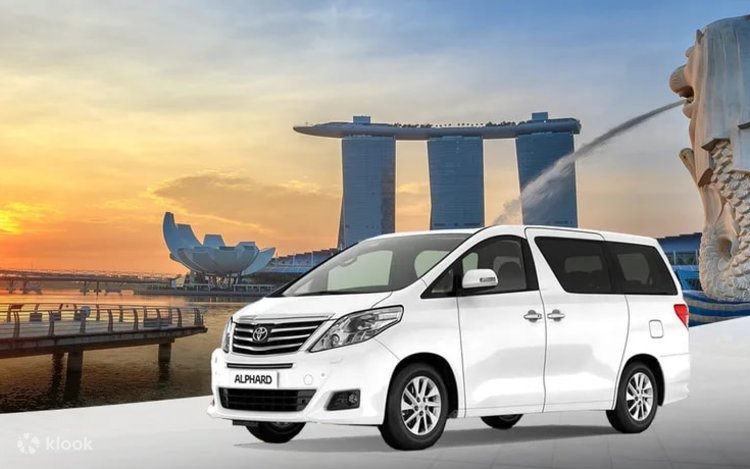
Families commonly approach premium van rentals with the expectation of reducing passenger fatigue during extended driving hours on the North-South Expressway (NSE) in Malaysia or during intensive multi-stop itineraries across Singapore. The primary goal of a structured rental acquisition is to secure an upscale platform—such as the Toyota Alphard, Toyota Vellfire, or Mercedes-Benz V-Class—where third-row seating comfort matches the ergonomics of the front cabin. A successful outcome guarantees a legally compliant vehicle, unlimited regional mileage allowances, and cross-border emergency support integration.
Key Fleet Sourcing Categories and Approaches
Travelers looking to source a high-end family van can choose from several corporate structures within the Singapore automotive ecosystem.
Comparison of Luxury Van Rental Provider Types
| Category / Type | Description | Common Use Case | Time / Cost / Effort Level |
| Traditional Multinational Agencies | Global brands (e.g., Avis) operating out of Changi Airport and downtown hubs with structured premium fleets. | Standard corporate fly-and-drive itineraries where international contracts are required. | Low Setup Time / High Cost / Low Effort |
| Specialized Luxury Rental Firms | Dedicated boutique providers (e.g., Ace Drive, ADrive Leasing) managing high-tier Japanese and Continental fleets. | Discerning families seeking exact model guarantees, pristine aesthetics, and specialized customer service. | Moderate Setup Time / High Cost / Moderate Effort |
| Consolidated Local Marketplaces | Platforms aggregating verified local rental companies (e.g., Cars & Trips) under a unified reservation engine. | Value-oriented travelers seeking local branch options across various neighborhoods. | Moderate Setup Time / Moderate Cost / Moderate Effort |
| Dedicated Chauffeured Trans-Border Services | Companies offering luxury vans pre-packaged with professional drivers, explicitly handling door-to-door regional transfers. | Multi-generational groups wishing to bypass self-driving stresses and border immigration queues entirely. | Low Setup Time / Very High Cost / Low Effort |
To determine the ideal approach, families must clarify if they intend to drive the vehicle independently or utilize a chauffeured configuration. Self-drive options provide maximum schedule flexibility but demand high driver focus across unfamiliar foreign highway systems. Chauffeured configurations reduce driver stress completely and simplify the customs clearance process at the Johor-Singapore Causeway, but they require a higher budget and add a fixed passenger-to-driver dynamic inside the cabin.
Practical Scenarios and Thematic Applications
The strategic selection of a rental vehicle class varies depending on the specific route conditions, passenger profiles, and geographic scope of the road trip.
Scenario 1: The Multi-Generational Overland Drive to Kuala Lumpur or Genting Highlands
This application involves transporting elderly grandparents and young children from Singapore deep into West Malaysia, requiring maximum physical space, superior highway suspension stability, and complete cross-border compliance.
-
Execution Steps:
-
Source an LTA-compliant Toyota Alphard or Vellfire 7-seater through a specialized luxury car rental firm.
-
Explicitly request the mandatory “Malaysia Cross-Border Insurance Extension” and verify the active physical validity period.
-
Ensure the vehicle is equipped with a functional, pre-loaded Touch ‘n Go card or an active digital e-wallet linked to the vehicle’s automated toll payment system.
-
Execute an early-morning departure via the Tuas Second Link to minimize border congestion.
-
Utilize the vehicle’s motorized Ottoman captain’s chairs and dual-zone roof climate control to maximize passenger rest periods during the 4-hour expressway transit.
-
-
Key Components: Motorized executive seating, cross-border insurance rider, integrated toll payment systems, and high-displacement engine capabilities for mountain ascents.
-
Relevance: It provides a safe environment that protects vulnerable passengers from physical fatigue while climbing steep terrain like the Genting Highlands access roads.
Scenario 2: The Urban Staycation and Island-Wide Exploration Tour
An application focused entirely on navigating Singapore’s metropolitan districts, shopping corridors, and coastal theme parks over a long holiday weekend with a large family group.
-
Execution Steps:
-
Secure a premium unibody luxury van (such as a Mercedes-Benz V-Class) through a centralized local marketplace or major corporate rental office.
-
Opt out of premium cross-border insurance add-ons since the vehicle will remain entirely within Singapore’s borders.
-
Confirm that the vehicle has a compatible in-vehicle unit (IU) or on-board unit (OBU) to interface seamlessly with Singapore’s Electronic Road Pricing (ERP) portals and automated parking systems.
-
Utilize integrated 360-degree bird’s-eye camera systems to carefully guide the extended-wheelbase van through narrow metropolitan parking bays.
-
-
Key Components: High-definition parking sensor arrays, ERP-compatible telemetry units, compact turning radiuses, and versatile fold-flat seating.
-
Relevance: It optimizes urban transportation for extended family gatherings, eliminating the need to coordinate and pay for multiple separate rideshare vehicles.
Scenario 3: The Active Outdoor Coastal Expedition to Desaru Coast
A beach and coastal resort road trip requiring heavy storage capacity for sporting gear, strollers, and luggage alongside a full passenger load.
-
Execution Steps:
-
Select a long-wheelbase premium family van or large luxury MPV configured with an adjustable seating-to-cargo rail system.
-
Verify the vehicle’s roof clearance heights to ensure compatibility with coastal ferry terminals or lower resort parking structures.
-
Slide or fold down the rear-most row of seats to accommodate oversized luggage, golf bags, or water sports equipment.
-
Complete the border crossing via the Woodlands Checkpoint or take the direct coastal highway routes through Johor.
-
-
Key Components: Configurable cargo rail structures, power-operated tailgate features, durable interior floor liners, and all-weather tire compounds.
-
Relevance: It systematically addresses the spatial challenges of carrying extensive vacation gear alongside a large family group without cluttering the passenger cabin.
Scenario Analysis
While Scenario 1 prioritizes long-distance mechanical performance, cabin luxury, and international insurance validity, Scenario 2 focuses on urban technology integration and local ERP logistics. Scenario 3 trades luxury seating space for raw cargo volume and versatility. Families should analyze their destination’s terrain and storage needs to choose the right vehicle configuration.
Planning, Cost, and Cross-Border Resource Considerations
Securing a luxury family van in Singapore requires an accurate, multi-layered budget. The daily base rental rate represents only a portion of the total financial obligation, particularly when planning cross-border itineraries.
Financial Disclaimer: The monetary values provided below serve as illustrative baseline examples reflecting standard market structures in Singapore. Actual rates change based on prevailing seasonal demands, COE fluctuations, and individual provider underwriting terms.
Sample Budget Projection: 5-Day Cross-Border Luxury Van Rental
| Category | Estimated Allocation (SGD) | Structural Explanation | Optimization Tips |
| Base Vehicle Tariff | $250.00 – $450.00 per day | Daily cost for a luxury van class asset (e.g., Toyota Alphard) under standard use guidelines. | Booking a 7-day or monthly block often lowers the daily rate compared to short weekend blocks. |
| Malaysia Cross-Border Surcharge | $40.00 – $80.00 per day | Mandatory insurance extensions and risk surcharges applied by Singapore operators for driving into Malaysia. | Check if the surcharge includes 24/7 towing and roadside recovery in Malaysia before signing. |
| Security Deposit Hold | $500.00 – $1,500.00 (Refundable) | A temporary credit card authorization hold used to cover potential minor damage or traffic penalties. | Use a premium credit card with a high credit limit to avoid impacting your travel spending power. |
| Tolls, ERP, and VEP Fees | $30.00 – $70.00 total per trip | Singapore ERP fees, Malaysia highway tolls, and the mandatory Vehicle Entry Permit (VEP) for entering Malaysia. | Ensure your VEP registration is active and linked to your RFID tag well before reaching the border checkpoint. |
Strategies, Booking Frameworks, and Support Options
Navigating premium van procurement involves leveraging specific verification and protective strategies to ensure continuous mobility.
1. Verification of LTA Rental Conversion Status
Confirming that the vehicle is formally registered under the Z10 or Z11 asset categories at the Land Transport Authority.
-
Advantages: Guarantees that the rental car transaction is completely legal; ensures that commercial insurance coverages remain valid if an accident occurs.
-
Disadvantages: Bypasses low-cost, unverified private vehicle rentals found on peer-to-peer enthusiast message boards.
2. 24/7 Reciprocal Cross-Border Roadside Assistance Agreements
Securing an explicit breakdown service rider that guarantees emergency vehicle replacement or long-distance towing across West Malaysia back into Singapore.
-
Advantages: Provides peace of mind when driving on remote expressway stretches late at night; removes the stress of sourcing local mechanics independently.
-
Disadvantages: Increases the upfront contractual premium or administrative surcharge added at the rental counter.
3. Integrated Vehicle Entry Permit (VEP) Fleet Automation
Renting from high-tier agencies that pre-register their entire luxury fleet with Malaysia’s Road Transport Department (JPJ) for automated RFID toll logging.
-
Advantages: Eliminates potential border clearance fine liabilities and long manual registration processing queues.
-
Disadvantages: Limits your fleet choices to established premium rental agencies that invest heavily in compliance management.
Safety, Risks, and Common Regional Challenges
Operating an extended luxury family van across international borders requires a clear understanding of specific regional operational risks.
-
Unverified Third-Party Cross-Border Insurance Gaps:
-
The Issue: Total denial of insurance coverage by the rental provider following an accident inside Malaysia.
-
Why it Happens: The renter assumed standard Singapore comprehensive insurance automatically extended across the border without securing the formal, paid corporate endorsement sheet.
-
Prevention: Demand a physical or digital copy of the insurance certificate explicitly stating “West Malaysia Coverage Extension” before leaving the rental bay.
-
-
Illegal Chauffeur Operations (Black-Plate Cross-Border Risks):
-
The Issue: Vehicle impoundment by border customs authorities at the Causeway gates, leaving passengers stranded.
-
Why it Happens: Sourcing an affordable chauffeured transport service that utilizes a privately registered vehicle rather than a commercially licensed cross-border limousine asset.
-
Prevention: Only hire chauffeured services from established, licensed logistics firms that hold valid cross-border public service vehicle licenses.
-
-
Theft and Vandalism Targets in Unsecured Lots:
-
The Issue: Forced entry or theft of high-value luxury family vans parked overnight in regional tourist destinations.
-
Why it Happens: Premium Japanese MPVs like the Alphard are highly targeted assets across Southeast Asia due to their high parts value.
-
Prevention: Park exclusively in well-lit, security-monitored, or gated hotel parking structures, and use a visible steering wheel locking device during overnight stops.
-
Maintenance and Operational Best Practices
Operating a heavy, long-wheelbase passenger van demands close attention to basic mechanical conditions to maintain vehicle stability and passenger safety.
Pre-Route Fleet Readiness Checklist
-
[ ] Tire Tread and Pressure Verification: Confirm tire pressures match the vehicle manufacturer’s specifications for a full load, as low tire pressure on a heavy van increases fuel consumption and tire wear at expressway speeds.
-
[ ] Sliding Door Track Maintenance: Inspect the motorized sliding door tracks for debris or obstructions to protect the safety sensors and electric motors from burning out.
-
[ ] Brake Pad Wear Assessment: Ensure the brake pads have sufficient life left, as heavy passenger loads place extra stress on the braking system during downhill mountain descents.
-
[ ] Fluid Level Validation: Confirm engine oil, coolant, and windshield washer fluids are topped off, especially before embarking on multi-hundred-kilometer highway trips.
Documentation, Compliance, and Record-Keeping
Properly documenting your rental transaction provides vital protections against unexpected billing disputes and helps ensure compliance with local traffic laws.
Examples of Systematic Rental Tracking Records
[Record Example 1: Self-Drive Cross-Border Log]
Provider Reference: 9482-AceDrive-Premium
Assigned Asset: Toyota Alphard 2.5 SC (LTA Legal Rental Category: Z10)
Cross-Border Insurance Endorsement ID: MY-EXT-839201-X
VEP RFID Tag Status: Factory Pre-Installed & Linked to Fleet Account #482
Initial Odometer: 42,150 km | Fuel Level at Handover: 100% Octane 98
[Record Example 2: Transit Compliance Check Entry]
Inspection Timestamp: July 4, 2026 / 08:30 Hours
Border Post: Tuas Second Link Checkpoint
Physical Documentation On-Board: Copy of Singapore Log Card, Cross-Border Insurance Certificate, Valid International Driving Permits for All Drivers.
Emergency Contact: Singapore Fleet Support Hotline (+65 6XXX XXXX)
Closing Summary
Deciding where to rent luxury family vans in singapore for road trips requires careful attention to LTA vehicle registration rules, proper cross-border insurance policies, and matching the right vehicle size to your family’s needs. By choosing an established luxury rental firm or a certified marketplace, families can enjoy premium cabin comfort and advanced safety features without risking contract or insurance issues. Ultimately, selecting a legal, well-maintained luxury van ensures your multi-generational road trip is safe, organized, and comfortable from start to finish.
Frequently Asked Questions
1. Is it legal to drive any Singapore rental car across the border into Malaysia?
No. Renting a car in Singapore does not grant automatic permission to drive across the border into Malaysia. The primary renter must secure a formal, paid cross-border insurance extension from the rental agency. Additionally, the vehicle must be explicitly authorized for international transit within the rental contract, as unendorsed cross-border operation voids all insurance coverages.
2. What is the difference between Z10 and Z11 vehicle registration categories in Singapore?
The Z10 and Z11 classifications are official vehicle asset codes utilized by the Land Transport Authority (LTA) to designate cars that are legally registered for commercial rental and private-hire use. Renting a vehicle that is classified purely as a private passenger car without these commercial designations is illegal, exposing the driver to full financial liability and insurance policy cancellations.
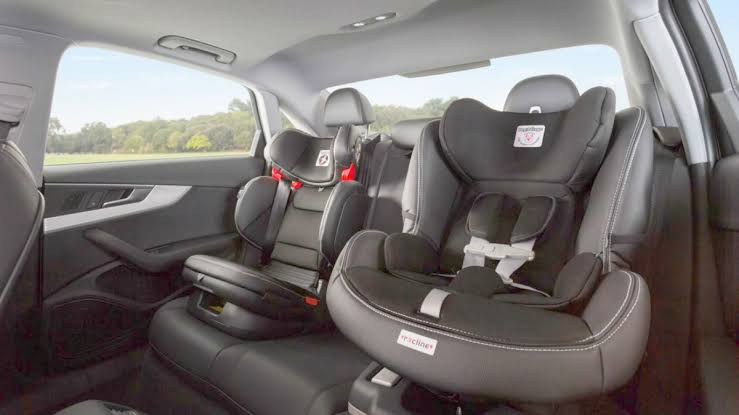
3. What child safety restraint laws apply when driving a rental van in Singapore and Malaysia?
In Singapore, any passenger below the height of 1.35 meters must be legally secured using an age-appropriate child safety restraint or booster seat. Similarly, Malaysia enforces mandatory child car seat rules for families traveling with infants and young children. Most premium rental agencies allow you to add approved booster seats or convertible car restraints to your reservation for an extra daily fee.