Sourcing the Best Rental Cars with Large Trunk Space for Family Luggage
Executing a successful family vacation requires balancing a complex array of logistics, from coordinating transport timelines to ensuring occupant comfort. In premium travel planning, a common oversight occurs during the vehicle procurement phase: travelers often underestimate the physical volume required to house multiple large suitcases, strollers, medical bags, and recreational gear. When an itinerary calls for long highway transits or multi-stop regional tours, an inadequately sized trunk introduces physical clutter into the passenger cabin, compromises rear-view visibility, and elevates collective travel fatigue.
To mitigate these operational liabilities, travel planners must analyze rental options through a systematic framework that prioritizes cargo capacity, interior flexibility, and loading ergonomics. Finding the best rental cars with large trunk space for family luggage is not a matter of guessing based on a vehicle’s exterior size; it requires evaluating verified cargo dimensions, lower lift-over heights, and seat-folding mechanisms. This guide establishes a comprehensive, textbook-quality blueprint detailing the core engineering classifications, budgeting strategies, and safety frameworks required to execute an optimized family vehicle rental.
Overview of Cargo Dynamics in Rental Fleets
Sourcing the best rental cars with large trunk space for family luggage requires an understanding of how rental conglomerates categorize, manage, and distribute their vehicle inventory. In the global car rental marketplace, vehicles are organized under the standardized ACRISS (Association of Car Rental Industry Systems and Standards) matrix. This system uses a four-letter classification code to define a vehicle’s exact architectural footprint, door count, drivetrain setup, and fuel/air conditioning constraints. However, corporate fleet marketing descriptions (such as “Full-Size” or “Premium”) often oversimplify the real-world cargo volumes available to travelers.
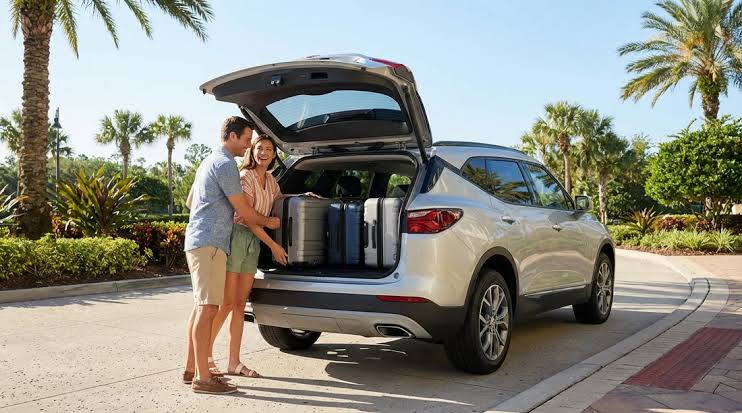
When families plan an extended road trip, the primary goal is to find an accommodation model where all personal baggage resides completely beneath the seatback line. In physical engineering terms, cargo capacity is measured in cubic feet or liters under two conditions: Cargo Volume Behind the Rearmost Row (seats up) and Maximum Cargo Volume (seats folded). For families traveling with a high passenger count, folding down seats is rarely an option. Therefore, evaluating a rental vehicle involves checking the rear trunk space, cargo opening width, and lift-over height—the physical height from the ground to the trunk ledge—to ensure heavy suitcases can be loaded safely and efficiently.
Primary Vehicle Classifications and Spatial Architecture
Rental fleets are grouped into distinct vehicle formats based on frame engineering and spatial design. Each category introduces unique trade-offs regarding passenger room, cargo dimensions, and fuel efficiency.
Cargo Capacity Classification Matrix
| Category / Type | Description | Common Use Case | Time / Cost / Effort Level |
| Multi-Passenger Minivans | Single-box unibody frames featuring deep sub-floor cargo wells, sliding side doors, and a low liftover height of roughly 24.5 inches. | 5–7 passengers traveling with multiple large suitcases, folding strollers, and loose gear. | Low Prep Time / Medium-High Rental Cost / Low Loading Effort |
| Extended-Wheelbase Full-Size SUVs | Heavy-duty, truck-based body-on-frame architectures lengthened behind the rear doors to provide substantial cargo depth. | Remote wilderness or mountain travel with heavy passenger loads, requiring all-wheel drive and heavy towing capacity. | Low Prep Time / High Rental Cost / High Loading Effort |
| Mid-Size 3-Row Crossovers | Modern unibody frames balancing passenger rows with flexible seating layouts, though cargo space behind the third row is typically limited. | 4–5 passengers who can fold down the third-row seats to open up a wide, flat cargo deck. | Moderate Prep Time / Medium Rental Cost / Moderate Effort |
| Full-Size Sedans | Traditional three-box passenger cars featuring fully sealed, separate trunk spaces completely isolated from the main cabin. | Small family units (up to 4 passengers) prioritizing excellent highway fuel economy and secure baggage isolation. | Low Prep Time / Low Rental Cost / Low Loading Effort |
Selecting the Proper Classification
Choosing between these vehicle formats depends heavily on your party’s size and how much gear you plan to pack. While full-size SUVs offer substantial power and ground clearance, minivans provide significantly more vertical cargo room and lower loading heights due to their sunken rear floor wells. Families who do not require all-wheel-drive traction control should prioritize multi-passenger minivans or extended-wheelbase utility platforms, as these options offer the best layout to fit large suitcases without encroaching on passenger seating.
Practical Scenarios and Spatial Applications
Reviewing targeted geographic use cases demonstrates how families can select the best rental cars with large trunk space for family luggage based on changing travel requirements and party demographics.
Scenario 1: The Multi-Generational Airport Resort Run
A family consisting of six adults and an infant lands at a major coastal airport hub during a peak holiday weekend, requiring a vehicle capable of housing seven occupants, six large rolling suitcases, a folding stroller, and multiple personal carry-on bags.
-
Step-by-Step Selection Process:
-
Access the operator’s digital fleet inventory and select the “Minivan” category (ACRISS code: MVAR), tracking models like the Chrysler Pacifica or Honda Odyssey.
-
Verify that the unit provides a minimum of 32 cubic feet of cargo volume behind the third row, utilizing a deep sub-floor storage well.
-
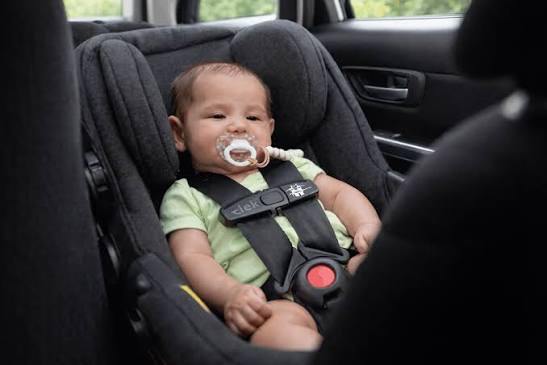
Ensure the sliding passenger side doors are electronically automated to facilitate safe toddler loading in tight airport parking configurations.
-
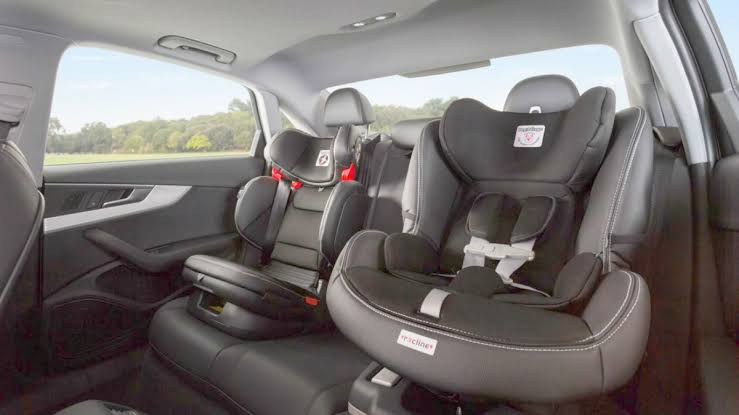
Mount the child-safety seat in the second-row lower LATCH anchor anchors, leaving the center aisle clear for third-row access.
-
-
Key Components: Sub-floor storage well, >32 cu ft rear volume, low 24.5-inch liftover height, electronic sliding doors.
Relevance of the Airport Hub Scenario
High-occupancy airport arrivals present significant spatial challenges. A premium minivan provides a clear advantage in this situation, offering a low loading height and a tall, wide rear hatch that allows large suitcases to be stood up side by side in the trunk well, avoiding the need to stack gear dangerously near the rear glass.
Scenario 2: The Cross-Country Wilderness and Mountain Pass Tour
A family of four plans a multi-week overland tour crossing elevated mountain ranges and unpaved state park access lanes, requiring all-wheel-drive capabilities, high engine torque, and space for four large suitcases, hiking gear, and a heavy cooler chest.
-
Step-by-Step Selection Process:
-
Screen the “Full-Size SUV” or “Premium SUV” categories (ACRISS codes: FFAR or PFAR), verifying model availability like the Chevrolet Suburban or Ford Expedition Max.
-
Confirm that the specific vehicle chassis code matches an extended-wheelbase platform, which adds roughly 12 inches of frame length behind the rear seats.
-
Secure a heavy-duty, rotomolded cargo cooler and place it flat on the trunk floor, arranging large suitcases horizontally around it.
-
Engage the vehicle’s electronic 4WD terrain management software before navigating loose gravel or unpaved park paths.
-
-
Key Components: Extended-wheelbase frame, full-time 4WD transfer case, high-torque turbocharged or V8 engine, floor-anchored tie-down rings.
Relevance of the Mountain Pass Scenario
High-altitude wilderness travel requires mechanical power and rugged build quality. Choosing an extended-wheelbase full-size SUV provides the ground clearance and all-wheel-drive traction needed for variable trail terrain, while ensuring the trunk has enough depth to store a family’s heavy hiking gear and supplies flat on the floor below the window line.
Scenario 3: The Urban Heritage and Historic City Break
A family of four coordinates a fast-paced city weekend focused on historic museums and boutique shopping districts, prioritizing low rental costs, easy parallel parking, and a fully enclosed, secure trunk space to hide shopping bags.
-
Step-by-Step Selection Process:
-
Target the traditional “Full-Size Sedan” category (ACRISS code: FCAR), evaluating models like the Toyota Camry or Chevrolet Malibu.
-
Check the trunk specifications to confirm a minimum capacity of 15 to 16 cubic feet of fully enclosed storage volume.
-
Arrange the two largest hard-sided suitcases flat on the trunk floor first, sliding compact duffel bags and smaller personal items into the side gaps.
-
Utilize the sedan’s smaller footprint to simplify parallel parking on narrow historic city streets.
-
-
Key Components: Enclosed separate three-box trunk, >15 cu ft volume, compact exterior wheelbase, low aerodynamic profile.
Relevance of the Urban Sedan Scenario
Urban environments feature narrow streets, tight parking spaces, and higher risks of opportunistic vehicle break-ins. A full-size sedan provides a secure, separate trunk compartment that completely hides a family’s suitcases and shopping bags from outside view, while its compact exterior footprint is much easier to park in tight city garages compared to a large SUV or van.
Scenario Comparison
The Airport Hub scenario prioritizes a low loading height and vertical trunk depth, which works best for handling heavy baggage configurations for large groups. The Mountain Pass scenario utilizes extended-wheelbase frame depth and all-wheel-drive mechanics to tackle challenging, unpaved off-grid terrain. The Urban Sedan scenario focuses on complete trunk isolation and a compact exterior footprint for easy city driving and parking. Families traveling with young toddlers or elderly relatives typically benefit most from the easy loading of a Minivan, while those facing difficult winter or mountain road conditions require the mechanical power of a Full-Size SUV.
Planning, Budgeting, and Total Contract Disclosures
Procuring a premium, high-capacity rental vehicle involves financial resource factors that go beyond the base daily rate. Because large SUVs and minivans maintain high asset valuations within rental fleets, corporate operators manage dynamic rate structures that react sharply to airport concession taxes, seasonal school holidays, and refueling rules.
Sample Family Rental Cost & Allocation Framework
Note: The values, ratios, and administrative fees detailed below serve as illustrative examples for a standard seven-day family car rental at a major airport hub. Final contract costs fluctuate based on real-time market demand curves, localized municipal tax codes, and seasonal travel surges.
| Category | Estimated Resource Allocation | Explanation | Optimization Tips |
| Base Vehicle Rental Rate | $350 – $850 / week | The foundational cost for a verified minivan, full-size sedan, or large SUV category. | Book 3 to 6 months in advance of holiday windows; corporate networks allow free cancellation if cash rates drop later. |
| Airport Concession Recovery Fees | 10% – 18% of contract base | Mandatory legislative taxes applied by municipal port authorities on all rentals initiated on airport property. | Check if picking up the vehicle at a nearby downtown city location eliminates this airport tax layer for long stays. |
| Mandatory Destination Facility Fees | $5.00 – $12.00 / day | Daily property facility levies applied by the rental depot to cover local maintenance and cleaning infrastructure. | Review the final estimated summary page before payment to ensure these fees are fully bundled into your upfront cost projections. |
| Electronic Toll Transponder Surcharge | $5.00 – $12.00 / day plus tolls | The administrative handling fee applied for utilizing the rental brand’s automatic toll-pass hardware (e.g., PlatePass). | Bring your own portable multi-state transponder to bypass the rental firm’s expensive daily administrative fees. |
| Pre-Paid Refueling Liability Hold | Variable based on local market | A financial hold covering the cost of a full tank of fuel if the vehicle is returned empty. | Always decline the pre-paid fuel option at the counter; return the vehicle with a 100% full tank and save the gas receipt as proof. |
Strategic Sourcing Systems and Fleet Verification Options
To systematically secure a rental vehicle that guarantees sufficient cargo capacity, travelers can utilize four distinct verification strategies.
1. ACRISS Code System Auditing
-
What it is: Checking the explicit four-letter ACRISS code displayed on your confirmation voucher to confirm vehicle specifications.
-
Advantages: Guarantees structural features like exact door counts, drivetrain configurations, and vehicle size classes, regardless of changing marketing terms.
-
Disadvantages: Does not display specific brand preferences or real-world interior cabin upholstery layouts.
2. Loyalty Tier Row Choice Procurement
-
What it is: Utilizing elite loyalty programs (such as Hertz Gold Plus Rewards or National Emerald Club) that allow members to bypass the counter and pick any vehicle parked in a designated row.
-
Advantages: Allows parents to physically test and inspect multiple trunks, seat configurations, and latch points before finalizing their choice at the exit booth.
-
Disadvantages: Choice rows are highly dynamic and availability depends directly on hourly vehicle return flows at that specific terminal.
3. Direct Management Fleet Inventories
-
What it is: Contacting the specific airport lot manager or reviewing local car enthusiast forums to check the typical vehicle makes deployed at that exact terminal.
-
Advantages: Provides real-world visibility into whether a “Full-Size SUV” class on site consists of newly updated, extended-wheelbase models or older, smaller vehicle variants.
-
Disadvantages: Daily lot handovers are highly dynamic, meaning vehicle availability shifts continuously based on hourly return flows.
4. Certified Model-Guaranteed Specialty Collections
-
What it is: Reserving niche vehicle tiers where the specific make, model, and engine variant are locked at reservation rather than a generic category.
-
Advantages: Completely eliminates the risk of inventory substitutions, ensuring you receive the exact trunk dimensions required for your gear.
-
Disadvantages: Carries a higher structural rental premium fee that can push base pricing into higher brackets regardless of the season.
Safety Engineering, Risks, and Cargo Pitfalls
Loading large volumes of family gear into a rental vehicle introduces specific physical risks and center-of-gravity changes that require active management from parents.
Over-Choked Rear Glass Stacking and Visibility Loss
-
The Issue: Packing soft cargo bags or stacking hard suitcases above the rear seatback line completely blocks the driver’s rearview mirror visibility and turns loose gear into dangerous projectiles during a sudden highway stop or collision.
-
Prevention Advice: Enforce a strict rule to keep all luggage packed flat on the primary trunk floor, stacked safely below the top seat line. Use heavy-duty, floor-anchored cargo nets or tie-down straps to secure loose items, or utilize an aerodynamic exterior roof-box for lightweight, bulky items like sleeping bags and winter jackets.
Elevated Center of Gravity and Rollover Kinetic Vulnerability
-
The Issue: Loading heavy gear onto roof racks or high inside a full-size SUV raises the vehicle’s natural center of gravity, which can induce excessive body roll during sudden, high-speed evasive steering maneuvers and increase rollover risks.
-
Prevention Advice: Pack your heaviest suitcases flat on the lower vehicle floorboards between the wheel arches to maintain a stable baseline. Never exceed the roof rack weight limits specified by the manufacturer, and maintain smooth, progressive steering inputs at highway speeds.
Under-Inflated High-Load Tire Sidewall Flexing and Blowouts
-
The Issue: Carrying a maximum payload of five to seven passengers along with multiple heavy suitcases puts significant weight strain on tires. Operating tires at generic unladen pressures increases sidewall flexing and heat buildup, potentially causing a dangerous highway tire blowout.
-
Prevention Advice: Check tire pressures using a digital gauge in the morning when the rubber is completely cold. Adjust the inflation pressures to match the “Maximum Load” specifications listed on the driver’s door B-pillar decal, rather than relying on standard commuter settings.
Trunk Latch Obstructions and Exhaust Gas Infiltration
-
The Issue: Forcing oversized items into a trunk can prevent the rear tailgate latch from locking securely. Driving with a partially unlatched hatch can cause low-pressure eddies that pull dangerous carbon monoxide exhaust gasses directly into the passenger cabin.
-
Prevention Advice: If your luggage configuration prevents the rear hatch from clicking completely shut, do not drive the vehicle. Rearrange your suitcases, utilize under-floor storage wells, or return to the rental desk to request a larger vehicle upgrade before leaving the airport.
Best Practices for Lot Inspection and Delivery Management
Implementing a rigorous inspection routine before exiting the rental gate protects your personal liability and ensures the vehicle is functionally safe for your family.
Pre-Exit Lot Verification Checklist
-
360-Degree Exterior Video Capture: Utilize your smartphone camera to record a continuous, high-definition video walkthrough of the entire exterior body work, wheels, and glass panels before moving the vehicle. Focus closely on pre-existing scratches, lower bumper scuffs, and windshield chips, ensuring these marks are noted by the lot agent before you exit the gate.
-
Internal Mechanical and Safety Verification: Turn the engine on and verify that the dashboard is clear of check-engine warnings or low tire pressure alerts. Test the air conditioning system across all rows to confirm cold air distribution, check that the windshield wipers run smoothly, and test the digital infotainment screen to verify Bluetooth connectivity.
-
Cargo Space Infrastructure Inspection: Open the rear tailgate and verify that all floor-anchored tie-down rings are intact and that the spare tire winch tool is present in its storage slot. Check that the third-row seat-folding mechanisms operate smoothly without binding or catching.
The Importance of Prompt Reporting
Discovering a mechanical issue or structural defect after driving away from the airport hub undermines your position and introduces unnecessary travel delays. Completing your full vehicle inspection inside the rental stall allows you to request an immediate vehicle swap or have a lot manager document pre-existing damage on your contract printout before you clear the security exit gate.
Documentation Control and Discrepancy Logging
For complex family travel itineraries, keeping clear records of rental contracts, condition reports, and fuel receipts simplifies your travel tracking and prevents unexpected post-trip billing disputes.
Organizing Rental Portfolios
-
Centralize Digital Receipts: Store all rental agreement sheets, digital return receipts, and inspection logs in an offline-accessible digital note shared with your co-passengers.
-
Log Pre-Return Fuel Levels: Take a smartphone photo of the dashboard instrument cluster showing the fuel gauge at full and the final trip odometer reading right before returning the car. Save the physical paper receipt from the fuel station to prove compliance with the contract’s refueling rules.
-
Retain Post-Return Drop Logs: Keep your final corporate return summary for at least 90 days post-trip to protect against delayed electronic toll processing fees or unexpected cleaning charges.
Rental Documentation Entry Examples
Example 1: Airport Minivan Sourcing Log
-
Contract Entry: Stall 214, International Airport Hub. Category Reserved: Minivan (MVAR). Vehicle Allocated: Chrysler Pacifica. Mileage Baseline: 14,210 miles. Condition Notes: 3-inch lower scuff on rear bumper trim documented via video log; floor anchors verified clear. Safety Setup: Second-row LATCH rings active; child seat secure.
Example 2: Extended-Wheelbase SUV Run Log
-
Contract Entry: Premium Utility Lot, Mountain Pass Depot. Category Reserved: Premium SUV (PFAR). Vehicle Allocated: Ford Expedition Max 4WD. Mileage Baseline: 8,150 miles. Fuel Gauge Status: 100% full. Mechanical Checks: All four tire pressures calibrated to cold load specification; third-row seats folded flat to establish wide cargo deck.
Closing Summary
Selecting from the best rental cars with large trunk space for family luggage requires an intentional look at chassis architecture, interior seating layout, and safety engineering. Multi-passenger minivans provide the best combination of vertical trunk depth, sub-floor storage wells, and low loading heights, making them highly efficient for handling heavy suitcases for large groups. Extended-wheelbase full-size SUVs deliver the necessary cargo depth, torque, and all-wheel-drive traction control needed to handle unpaved mountain and wilderness terrains safely. By utilizing free loyalty program memberships to skip counter lines, checking exact four-letter ACRISS codes, packing suitcases flat below the window line, and conducting visual inspections before leaving the lot, families can secure a safe, comfortable, and efficient travel environment across any regional or long-distance highway route.
Frequently Asked Questions (FAQ)
What is the exact difference between an extended-wheelbase and a standard full-size SUV rental?
An extended-wheelbase full-size SUV (such as a Chevrolet Suburban or Ford Expedition Max) features a frame that is physically lengthened by approximately 12 inches behind the rear doors compared to its standard-wheelbase counterpart (like a Chevy Tahoe). This structural modification dramatically expands the dedicated trunk space directly behind the third row of seats, allowing large families to store full luggage sets safely below the window line without sacrificing passenger legroom.
Why do minivans offer more usable cargo space than standard full-size SUVs?
Minivans utilize a front-wheel-drive, unibody frame layout that eliminates the heavy mechanical rear differential and solid axle assemblies found under truck-based SUVs. This engineering design allows minivans to incorporate a deep, sunken sub-floor cargo well behind the third row. This well drastically increases vertical storage depth and creates a lower loading height, allowing you to stand up large suitcases side by side easily.
What is an ACRISS code and why should family travel planners check it?
An ACRISS code is a standardized, four-letter industry classification code used by global car rental companies to define a vehicle’s exact size, door count, drivetrain/transmission type, and fuel/air conditioning configurations (for example, MVAR designates a multi-passenger minivan with automatic transmission and air conditioning). Checking this code on your confirmation voucher guarantees you receive the required vehicle features, regardless of changing marketing terms.
How can I adjust tire pressures safely when loading a rental car with heavy luggage?
Carrying a maximum load of passengers and heavy suitcases puts significant weight strain on tires, which increases sidewall flexing and heat buildup at highway speeds. To operate safely under full payload stresses, open the driver’s door and check the inflation specification chart located on the B-pillar jamb. Use a digital pressure gauge in the morning when tires are cold to adjust the pressures to match the designated “Maximum Load” PSI settings.
What should I do if the rental car company runs out of my reserved minivan or large SUV category?
If an inventory shortage occurs and your reserved high-capacity vehicle is unavailable, do not accept a smaller crossover that compromises your space needs. Present your confirmation voucher displaying the required ACRISS code to the lot manager and request a complimentary upgrade to a Premium Elite SUV, an alternative multi-passenger passenger van, or ask them to secure a compliant vehicle from a partner brand’s nearby fleet line.