The Pediatric and Logistical Blueprint: Analyzing Long-Distance Vehicle Transits with an Infant
Traveling with an infant under the age of three months requires a fundamental reassessment of transit speeds, cabin ergonomics, and medical safety protocols. Unlike traveling with older children or adults, executing a multi-day vehicle journey with a newborn introduces complex biological variables, including strict feeding cycles, immature immune systems, and positional limits related to car seat safety. For parents and travel planners, an unorganized approach can create real physical risks for the infant while increasing driver fatigue and stress levels.
To navigate these structural challenges, planners must objectively weigh clinical, structural, and logistical factors before confirming an itinerary. Analyzing the pros and cons of taking a road trip with a newborn baby provides a comprehensive framework to evaluate cabin safety, understand infant sleep patterns, prepare for thermal changes, and manage resource levels over long distances. This guide establishes a textbook-quality blueprint for planning, executing, and safely managing a long-distance drive with a newborn, allowing families to maintain structural order and protect infant health.
Overview of Newborn Long-Distance Travel Dynamics
Understanding the pros and cons of taking a road trip with a newborn baby requires a clear view of newborn physiology and behavioral patterns. In pediatric medicine, a newborn is classified as an infant within the first 28 days of life, though travel planning frameworks typically extend these strategies to cover the entire fourth trimester (up to 12 weeks post-birth). The core concept of newborn travel management centers on “Biological Accommodation”—a method where travel speeds, cabin noise, and route stopovers are adjusted to match the infant’s feeding, sleeping, and safety needs rather than a fixed arrival time.
Parents commonly approach long-distance vehicle transits with the goal of complete autonomy, looking to maintain privacy and keep essential gear close by while avoiding the crowd exposures and fixed schedules of commercial aviation. A balanced look at the pros and cons of taking a road trip with a newborn baby shows a clear trade-off: while the predictable sound of the road can help soothe an infant into extended sleep blocks, the physical constraints of a car seat require parents to strictly limit daily driving distances to protect the infant’s developing spine and airway. Sifting through these pros and cons helps travel planners build a structured framework that keeps the cabin environment safe and manageable.
Primary Operational and Developmental Categories
Long-distance infant travel strategies can be grouped into distinct categories based on structural design, vehicle pace, and feeding methods.
Infant Travel Framework Comparison
| Category / Type | Description | Common Use Case | Time / Cost / Effort Level |
| Interstate Consistency | Sticking to major high-speed federal highways to ensure smooth road surfaces and immediate access to full-service medical nodes. | Rapid transits between major metropolitan areas where predictable road quality is necessary. | Low Prep Time / Medium Cost / Low Daily Effort |
| Decentralized Stopovers | Splitting the route into short 60-to-90-minute driving chunks, interspersed with long, stationary feeding and diapering breaks. | Managing volatile infant schedules and minimizing the total time spent in a car seat each day. | High Prep Time / High Cost / High Daily Effort |
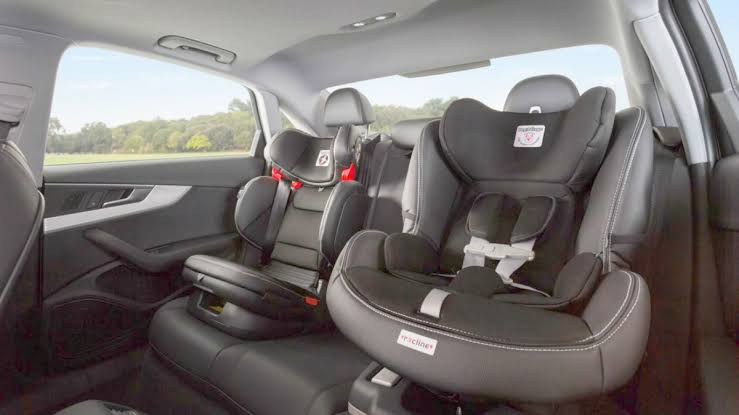
| Co-Passenger Monitoring | Arranging seating so one adult sits in the rear seat directly next to the rear-facing infant car seat for continuous safety checks. | Long highway stretches where real-time monitoring of respiration and feeding cues is critical. | Low Prep Time / Zero Cost / High Passenger Effort |
| Night-Cycle Operations | Driving primarily during the infant’s natural evening sleep window to capture long stretches of quiet road and clear traffic. | Complete transits where minimizing the number of daytime stops is the priority. | Low Prep Time / Variable Cost / Extreme Driver Effort |
Selecting the Proper Strategy
Choosing among these operational approaches depends on your infant’s development stage and your family’s feeding setup. For exclusively breastfed or bottle-fed newborns who require feeding every two hours, the Decentralized Stopovers framework provides the structure needed to prevent feeding delays. For long-distance drives through isolated regions, adding Co-Passenger Monitoring is a critical safety measure, ensuring an adult can monitor the infant’s head position and breathing continuously while the vehicle is in motion.
Practical Scenarios and Logistical Applications
Reviewing targeted geographic blueprints shows how parents implement infant travel frameworks across changing travel landscapes.
Scenario 1: The Multi-State Metropolitan Relocation
A family coordinates a 10-hour interstate transit to relocate across several states with a six-week-old infant, requiring high road consistency, climate control, and structured tracking logs.
-
Step-by-Step Execution Process:
-
Map the route exclusively along major Interstate highways featuring multi-lane configurations and low vibration profiles.
-
Divide the 10-hour total drive time over two full travel days, limiting active vehicle motion to a maximum of 5 hours per day.
-
Pre-schedule stationary stops every 90 to 120 minutes at locations with private, clean indoor spaces for feeding and diaper changes.
-
Assign the front passenger to sit in the rear seat next to the infant car seat to monitor the child’s breathing and posture continuously.
-
-
Key Components: Major interstate routing, split-day schedules, 90-minute stop increments, real-time rear seat monitoring.
Relevance of the Relocation Scenario
Long-distance moving transits require balancing vehicle efficiency with infant physical safety. Splitting the driving timeline across two days reduces the infant’s total car seat containment time, keeping positional oxygen risks low while allowing parents to manage feeding schedules in a controlled environment.
Scenario 2: The Regional Rural Interior Transit
A family drives a multi-hour route through rural state highways to visit family, managing sparse commercial infrastructure, variable weather, and limited cellular network zones.
-
Step-by-Step Execution Process:
-
Complete a full vehicle diagnostic audit, focusing on the alternator output and checking that the HVAC filtration system runs cleanly.
-
Pack a thermal management kit containing high-performance UV window shades, multi-layered cotton wraps, and a precise digital cabin thermometer.
-
Pre-load complete offline digital maps showing all regional urgent care centers and pediatric clinics along the route corridor.
-
Store a 24-hour backup supply of prepared infant formula or expressed breast milk inside a high-insulation rotomolded cooler.
-
-
Key Components: HVAC system checks, thermal insulation shields, offline medical mapping, backup nutritional preserves.
Relevance of the Rural Scenario
Rural transits introduce real risks from cellular blind spots and limited access to commercial services. Incorporating offline mapping and backup nutritional preserves into the core family plan ensures self-sufficiency and quick access to medical care if the infant gets sick along remote segments.
Scenario 3: The Night-Cycle Interstate Run
A family executes a long-distance highway run by driving primarily during the infant’s natural overnight sleep cycle, looking to minimize daytime traffic and reduce the frequency of crying periods.
-
Step-by-Step Execution Process:
-
Adjust the primary driver’s sleep schedule 48 hours prior to departure to ensure maximum alertness and focus during late-night hours.
-
Complete the final evening infant feeding and diapering routine at home before secure car seat installation.
-
Maintain a stable cabin thermal baseline between 68°F and 72°C, using quiet, indirect climate ventilation loops to prevent draft chills.
-
Plan specific highway fuel stops at well-lit, 24-hour service plazas to allow the secondary passenger to check the infant’s car seat alignment.
-
-
Key Components: Driver circadian sleep planning, pre-departure feeding routines, indirect climate ventilation, illuminated service stop spacing.
Relevance of the Night-Cycle Scenario
Driving during the night leverages the infant’s natural circadian rhythm, allowing for longer blocks of quiet, peaceful driving. However, because this approach shifts the physical strain onto the driver, it requires disciplined rest planning beforehand to prevent driver fatigue and maintain safety on the highway.
Framework Comparison
The Metropolitan Relocation scenario prioritizes flat highways and split-day schedules, which works well for younger infants with volatile routine needs. The Rural interior transit focuses on thermal self-sufficiency and offline medical tracking to handle sparse infrastructure. The Night-Cycle run uses the infant’s natural sleep patterns to minimize daytime stops, but it demands much higher focus and endurance from the driver.
Planning, Budgeting, and Resource Allocations
Traveling with a newborn involves unique cost considerations that differ from standard family trips. Because infant schedules are naturally unpredictable, budgeting must account for slower travel paces, extra overnight hotel stops, and specialized safety and feeding gear.
Sample Infant Road Trip Budget & Value Framework
Note: The figures, allocations, and resource requirements outlined below serve as illustrative examples for a standard four-person family executing a 600-mile vehicle transit over a two-day window. Final expenses will vary based on seasonal demand, vehicle model, and individual feeding configurations.
| Category | Estimated Resource Allocation | Explanation | Optimization Tips |
| Split-Day Lodging | $140 – $260 / night | Mid-tier independent hotels or suites chosen to break up long driving blocks and allow full overnight rest. | Select properties featuring en-suite mini-fridges and microwaves to simplify sterilization and milk storage. |
| Specialized Cabin Gear | $50 – $110 total | Crash-tested rear seat mirrors, high-performance UV side window shades, and portable white noise devices. | Opt for window shades that attach via static cling rather than suction cups to ensure maximum window coverage and safety. |
| Nutritional Storage Assets | $40 – $95 total | Insulated travel coolers, 12V portable bottle warmers, and organized storage cases for breast pumps or components. | Use a dedicated small cooler packed with high-density gel packs to maintain a steady 39°F (4°C) for milk storage. |
| Sanitation & Waste Disposal | $20 – $40 / stay | Disposable diaper sacks, portable changing mats, unscented water wipes, and antimicrobial cabin sprays. | Keep a dedicated cleanup kit—including wipes and waste bags—within arm’s reach of the rear passenger seat for quick access. |
| Emergency Medical Reserve | $100 (Set aside) | Cash or digital funds reserved for last-minute pediatric clinic copays or overnight pharmacy needs. | Print out a physical list of your primary pediatrician’s contact numbers and your health insurance policy data before leaving. |
Strategic Frameworks and Support Methods
Successfully managing an infant’s safety and comfort on a long drive depends on choosing the right monitoring, climate, and structural support tools.
1. High-Performance Static Cling UV Window Protectors
-
What it is: Mesh window covers that block ultraviolet rays and adhere directly to the rear side glass without hard plastic mounting parts.
-
Advantages: Shields sensitive infant skin and eyes from direct sun glare; helps lower internal cabin temperatures in the back seat.
-
Disadvantages: Can slightly reduce the driver’s side-blind-spot visibility during late-evening or rainy driving segments.
2. 12V Low-Wattage Car Bottle Warmers
-
What it is: A compact thermal sleeve powered by the vehicle’s standard accessory outlet, designed to warm formula or breast milk to body temperature safely.
-
Advantages: Eliminates the need to find commercial microwaves or hot water basins at highway service stations, ensuring consistent feeding temperatures on the road.
-
Disadvantages: Requires 15 to 20 minutes to heat milk completely; must be secured properly to prevent accidental spills while the car is moving.
3. Crash-Tested Convex Rear Seat Observation Mirrors
-
What it is: A wide-angle plastic mirror mounted securely to a rear headrest, allowing the driver to monitor a rear-facing infant through the rearview mirror.
-
Advantages: Provides a clear view of the infant’s head position and breathing patterns without requiring the driver to turn around.
-
Disadvantages: Can become a loose projectile hazard during a collision if the mounting straps are worn or unsecured.
4. Portable Dual-Power White Noise Devices
-
What it is: A small, battery-operated acoustic generator that produces steady, low-frequency sound loops to mask highway noise.
-
Advantages: Replicates the calming background sounds of the womb, helping soothe infants into deep sleep and filtering out disruptive exterior traffic or construction noise.
-
Disadvantages: Volume levels must be limited and the device placed well away from the infant’s ears to ensure safe hearing boundaries.
Safety Risks, Clinical Challenges, and Mitigation Frameworks
Long-distance infant travel introduces specific physical risks and behavioral challenges that parents must actively manage.
Positional Asphyxia and the 2-Hour Car Seat Constraint
-
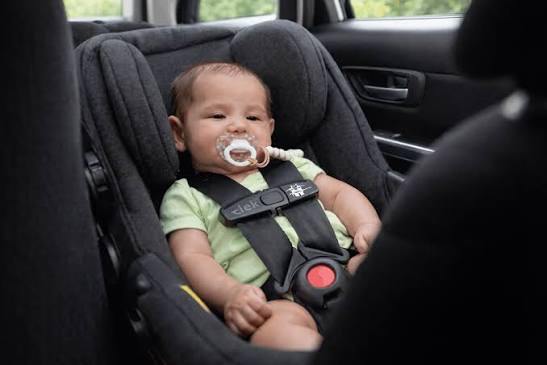
The Issue: Newborns lack the muscle strength to hold their heads upright. When buckled into a car seat for extended blocks, an infant’s head can tilt forward onto their chest, potentially compressing their soft airway and causing hidden oxygen desaturation or positional asphyxia.
-
Prevention Advice: Enforce a strict “2-Hour Car Seat Rule.” Never leave an infant in a moving car seat for more than two consecutive hours. Pull over completely, remove the infant from the seat, and hold them flat on a blanket or flat surface for at least 15 to 20 minutes to allow their lungs to expand fully and ease spinal pressure.
Air Quality Management and Cabin Chemical Residues
-
The Issue: High-volume vehicle traffic on interstates releases fine particulate matter and exhaust gasses into the air. At the same time, using strong chemical air fresheners or interior cleaners can irritate a newborn’s sensitive respiratory tract.
-
Prevention Advice: Set your vehicle’s HVAC system to the “Recirculate” mode when navigating heavy urban traffic or tunnels to block outside exhaust. Replace your cabin air filter with a high-efficiency HEPA-rated filter before your trip, and avoid using synthetic, perfumed air fresheners inside the car.
Thermal Swings and Rear Seat Greenhouse Overheating
-
The Issue: Infants cannot regulate their body temperatures efficiently. Direct sunlight passing through side windows can create a greenhouse effect in the back seat, causing an infant to overheat quickly even if the front dashboard thermostat reads a comfortable temperature.
-
Prevention Advice: Check the temperature in the back seat directly using a digital thermometer. Dress your newborn in thin, breathable layers of natural cotton, use static-cling window meshes to block direct sun, and avoid placing thick blankets over the car seat harness.
Immature Immune Systems and Public Rest Stop Crowds
-
The Issue: Newborns have developing immune systems, making them highly vulnerable to viral and bacterial infections found on high-touch surfaces in busy highway rest stops, welcome centers, and fast-food restaurants.
-
Prevention Advice: Manage diaper changes and feeding blocks inside your vehicle cabin or in quiet, low-traffic outdoor spaces rather than using crowded public changing tables. Anyone handling the infant should wash their hands thoroughly or use unscented, medical-grade hand sanitizer before touch.
Best Practices for Daily Cabin Management and Monitoring
To maintain a calm, stable cabin environment across your entire trip, implement a clear daily check-in and monitoring routine.
Daily Travel Monitoring Protocol
[Infant Rolling Safety Routine]
  ├── Every 15 Mins: Co-passenger visual checks (head alignment, airway clearance, sleep depth)
  ├── Every 90 Mins: Target stop window (remove infant from car seat, verify cabin temperature)
  └── Daily Wrap: Sanitize high-touch surfaces, check formula/milk inventories, clear trash
-
The Rolling Co-Passenger Audits: Schedule regular checks if an adult is sitting in the back seat next to the infant. Every fifteen minutes, visually confirm that the infant’s chin remains lifted off their chest, check that the shoulder straps fit snugly at or just below the shoulders, and look for signs of sweating or overheating.
-
The Structured Stop Routines: Treat your rest stops as a chance for a full reset. Use these breaks to focus entirely on the infant: complete a feeding block, burp them thoroughly to prevent gas pains on the road, change their diaper, and let them stretch out flat on a clean surface before starting the next driving stretch.
-
The End-of-Day Sanitation Cleanups: Re-prime your travel gear at the conclusion of each travel day. Wipe down car seat handles and high-touch surfaces with baby-safe, unscented sanitizing wipes, empty the vehicle’s trash bags, wash and sterilize bottles or pump components, and re-freeze your cooler gel packs overnight.
Documentation, Medical Tracking, and Data Logs
For long-distance infant travel, keeping an organized record of health data and schedule changes is essential for maintaining order and handling unexpected medical needs.
Organizing an Infant Travel Portfolio
-
Centralize Health and Insurance Data: Keep paper copies of your newborn’s birth verification sheets, pediatric clinic files, immunization summaries, and health insurance cards stored in a waterproof document folder in the glove box.
-
Log Feeding and Biological Timelines: Use a simple physical notebook or an offline digital log to track exact feeding times, ounces consumed, sleep blocks, and wet or dirty diapers throughout the drive.
-
Document Local Pediatric Infrastructure: Map out and log the contact details, operational hours, and driving paths to the closest 24-hour emergency hospitals and pediatric urgent care clinics relative to each driving segment.
Travel Health Tracking Examples
Example 1: Metropolitan Interstate Relocation Log
-
Transit Parameters: Day 1, Milepost 220. Seating Layout: Co-passenger monitor active in rear seat. Airway Status: Checked at 11:15 AM (Head aligned, chin clear of chest). Stop 2 Processed: 12:00 PM at Rest Area 4; infant removed from car seat for a full 20-minute flat-surface stretch.
Example 2: Rural Interior Transit Log
-
Transit Parameters: Day 2, Route 12 Segment. Cabin Thermal Baseline: 70°F (Verified via rear seat digital gauge). Feeding Matrix: 3.5 ounces of formula delivered at 2:30 PM (Bottle warmed using 12V travel sleeve). Tracking Check: Diaper change completed inside the cabin workspace; waste bags sealed.
Closing Summary
Weighing the pros and cons of taking a road trip with a newborn baby shows that long-distance vehicle travel is highly viable, provided you prioritize infant physiology over arrival speed. The core benefits include total privacy, protection from crowded airport terminals, and the ability to pack comprehensive care equipment directly inside your vehicle. However, these advantages are balanced by significant challenges, including strict car seat position limits, positional oxygen risks, and the need for frequent stops every 90 to 120 minutes. By implementing a systematic framework—including split-day schedules, continuous rear-seat monitoring, and strict adherence to safety and feeding routines—parents can protect their infant’s health while ensuring a smooth, predictable journey.
Frequently Asked Questions (FAQ)
What is the exact clinical reason for the 2-hour car seat rule for newborns?
The 2-hour rule is a critical pediatric safety standard based on infant anatomy. Newborns lack the core muscle strength to hold their heads upright for long periods. When buckled into a semi-reclined car seat for an extended block, gravity can cause the infant’s heavy head to tilt forward onto their chest, potentially compressing their soft airway and causing quiet oxygen desaturation or positional asphyxia. Limiting car seat containment to a maximum of two hours protects their breathing and eases spinal pressure.
Is it safe to feed a newborn a bottle while the vehicle is actively moving?
No, feeding a newborn a bottle while the car is moving is strongly discouraged by pediatric safety experts. If the vehicle hits a sudden bump, swerves, or brakes unexpectedly, the bottle can be forced against the infant’s throat, presenting an immediate choking hazard, increasing the risk of fluid aspiration, and making proper burping impossible until the car stops. Always pull over to a safe location before feeding.
How can parents accurately monitor a newborn’s temperature in the back seat?
Because front dashboard thermostats only measure air quality around the driver’s seat, parents should install a standalone digital thermometer probe directly next to the infant’s car seat framework in the back. This allows you to monitor the rear seat climate in real time, helping you maintain a safe, steady thermal environment between 68°F and 72°F (20°C to 22°C) and adjust layers as needed.
What medical documentation should we pack for an infant road trip?
Your essential travel folder should include your newborn’s formal hospital birth verification sheets, a complete summary of their pediatric medical files, an updated immunization record, your family health insurance cards, and a printed list of emergency contact numbers for your primary pediatrician and regional children’s hospitals along your driving route.
Can parents use a regular household white noise machine via a car inverter?
While household white noise machines can work via an inverter, it is safer to utilize a dedicated, low-wattage travel white noise device powered by standard batteries or a USB connection. To protect your infant’s sensitive hearing, ensure the device is positioned at least two meters (six feet) away from the car seat framework, and keep the volume level capped below 50 decibels.