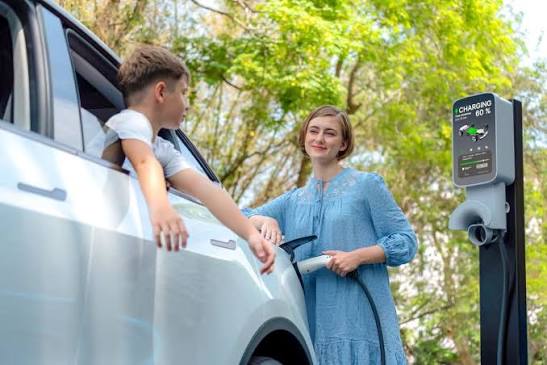
The Technical and Logistical Blueprint: Navigating Long-Distance Electric Vehicle Transits in Canada
The expansion of sustainable transportation infrastructure has modified how long-distance vehicular travel is planned and executed. Canada’s unique geographical layout—spanning multiple provinces, rugged mountainous corridors, and regions with significant seasonal climate variations—presents distinct operational variables for electric vehicle (EV) drivers. Transitioning a family trip from a conventional internal combustion engine (ICE) vehicle to an electric platform requires moving away from spontaneous routing toward a systematic data-driven workflow. Managing battery state of charge ($SoC$), understanding regional utility network footprints, and accounting for aerodynamic and thermal payloads are crucial to achieving a safe, comfortable, and predictable journey.
A successful cross-country or regional transit depends on a professional approach to route orchestration, energy demand calculations, and cold-weather battery management. Learning how to plan an electric vehicle family road trip in Canada provides a structured methodology to eliminate range anxiety, minimize infrastructure dwell times, control expenditures, and maintain cabin comfort across thousands of kilometers. This guide establishes an objective, textbook-quality framework detailing the core engineering, navigational, and administrative metrics required to manage a long-distance family EV transit within the Canadian landscape.
Overview of Canadian EV Infrastructure and Family Long-Distance Travel
Analyzing how to plan an electric vehicle family road trip in Canada requires an examination of the national public charging network and its integration into family trip logistics. The Canadian public charging ecosystem has grown substantially under the federal Zero-Emission Vehicle Infrastructure Program (ZEVIP) and the Canada Infrastructure Bank’s initiatives, expanding the national network to tens of thousands of active public ports. These ports are primarily divided into Level 2 alternating current (AC) installations, suitable for overnight stays, and Direct Current Fast Charging (DCFC) stations, which are essential for mid-transit energy replenishment along major highway systems.
When families plan an extended drive, the primary goal is to match charging intervals with the biological and behavioral schedules of the passengers. Unlike a conventional stop, an EV charging stop can range from 20 to 50 minutes depending on the vehicle’s acceptance rate, battery temperature, and the dispenser’s power output. A successful transit strategy uses this dwell time efficiently, scheduling charging sessions around meals, rest breaks, or local educational excursions. The final outcome is a highly organized itinerary where the vehicle’s energy requirements and the family’s comfort run in parallel, avoiding unnecessary delays.
Primary Navigational Frameworks and Charging Networks
Public charging options across Canada vary by province, corporate operator, and dispenser output. Understanding these distinctions allows travel planners to select the right equipment for their specific vehicle profile.
Canadian Charging Network Matrix
| Category / Type | Description | Common Use Case | Time / Cost / Effort Level |
| Hyper-Fast DCFC Networks | High-output direct current dispensers (150 kW to 350 kW) utilizing CCS or NACS connectors to rapidly replenish battery levels. | Mid-transit highway charging along primary corridors where minimizing stop duration is critical. | Low Dwell Time / High Utility Cost / Low Effort |
| Provincial Monitored Utilities | Government-backed, highly integrated public charging networks (e.g., Circuit Électrique in Quebec, BC Hydro Network). | Comprehensive regional travel, ensuring consistent hardware uptime and standard pricing structures. | Moderate Dwell Time / Medium Cost / Low Effort |
| Highway Oasis Integrations | Public fast chargers integrated directly into central highway rest plazas, such as the Ivy network at ONroute locations in Ontario. | Combined charging and family rest breaks, eliminating the need to leave the primary highway corridor. | Low Dwell Time / Medium-High Cost / Low Planning Effort |
| Destination Level 2 Arrays | Standard AC charging units (7 kW to 11 kW) located at hotels, national parks visitor centers, and regional attractions. | Overnight energy replenishment, allowing the vehicle to reach a 100% state of charge during passenger sleep cycles. | High Dwell Time / Low to Zero Cost / Low Effort |
Selecting the Proper Infrastructure Format
Choosing among these hardware networks depends heavily on your vehicle’s architectural battery limits and daily routing goals. For rapid interstate transits, prioritizing Hyper-Fast DCFC stations matches the capabilities of modern 800-volt vehicle architectures, keeping charging stops brief. When routing through rural provincial zones, leveraging provincial monitored networks provides better reliability and station uptime, which reduces range anxiety for family travel planners.
Practical Scenarios and Regional Corridor Applications
Reviewing specific regional applications across Canada highlights how to implement an EV road trip plan across changing seasonal and geographic environments.
Scenario 1: The Quebec to Ontario High-Density Corridor Run
A family coordinates a multi-day summer transit along the highly populated Windsor-Quebec City corridor, requiring frequent stops, synchronized line-skipping, and family amenities at highway rest stops.
-
Step-by-Step Logistical Process:
-
Map out the route along Highway 401 and Autoroute 20 using integrated public network locator software.
-
Filter for DCFC stations with a minimum dispenser output of 150 kW located at ONroute or Circuit Électrique plazas.
-
Pre-load the required network access applications and digital payment credentials onto family mobile devices before departure.
-
Schedule charging blocks to occur when the vehicle’s battery falls to approximately 20% $SoC$, maximizing the vehicle’s peak charging curve.
-
-
Key Components: Corridor station mapping, 150 kW minimum dispenser filtering, pre-loaded digital payment accounts, charging curve optimization.
-
Core Route Points: Quebec City, Montreal, Ottawa, Toronto, Windsor.
Relevance of the High-Density Corridor Scenario
The Windsor-Quebec City corridor features Canada’s highest density of fast-charging infrastructure. This allows families to travel flexibly, matching charging stops to toddler activity needs or meal breaks, while utilizing highway service plazas that keep the family safe and comfortable without leaving the main route.
Scenario 2: The Trans-Canada Mountain Pass Transit
A family maps out a summer transit crossing the Canadian Rockies via the Trans-Canada Highway (Highway 1), requiring careful energy management to handle steep mountain terrain, regenerative braking, and variable mountain elevations.
-
Step-by-Step Logistical Process:
-
Audit the vehicle’s regenerative braking settings, ensuring the system is set to maximum efficiency to recapture kinetic energy during downhill descents.
-
Plot exact charging stops at BC Hydro or Electrify Canada fast chargers located before major high-altitude passes (such as Rogers Pass).
-
Factor an additional 20% to 30% consumption premium into your energy calculations to account for the extra battery drain caused by long, steep uphill climbs.
-
Verify that destination Level 2 charging setups are reserved at mountain park lodges to ensure a full charge for morning departures.
-
-
Key Components: Regenerative braking optimization, high-altitude station planning, mountain consumption buffers, overnight Level 2 reservations.
-
Core Route Points: Calgary, Banff National Park, Golden, Revelstoke, Kamloops, Vancouver.
Relevance of the Mountain Pass Scenario
Mountain driving introduces significant changes in energy consumption. While climbing steep grades drains the battery faster, descending allows the vehicle’s regenerative braking system to pump clean power back into the battery pack. Planning stops before major climbs protects against unexpected drops in range and ensures safe navigation through mountain regions.
Scenario 3: The Maritime Coastal Explorer Circuit
A family plans an autumn tour through the Atlantic provinces, navigating lower-density charging grids, coastal crosswinds, and variable weather conditions.
-
Step-by-Step Logistical Process:
-
Identify public fast-charging nodes managed by regional networks (such as eDrive in New Brunswick or local utility arrays in Nova Scotia).
-
Implement a conservative “Buffer Rule,” initiating searches for available chargers whenever the vehicle’s battery level drops to 35% $SoC$.
-
Confirm that the selected overnight accommodations provide dedicated Level 2 guest charging, verifying terminal compatibility beforehand.
-
Pre-condition the vehicle’s battery pack while it is still plugged into the overnight charger each morning to optimize range before hitting the road.
-
-
Key Components: Regional network identification, 35% $SoC$ buffer rules, verified overnight Level 2 access, morning battery pre-conditioning.
-
Core Route Points: Moncton, Hopewell Rocks, Halifax, Cabot Trail perimeters, Prince Edward Island link.
Relevance of the Maritime Circuit Scenario
Coastal regions often feature more spread-out charging infrastructure and stronger head-winds that can reduce vehicle efficiency. Incorporating a higher state-of-charge safety buffer and utilizing morning battery pre-conditioning protects family travel schedules from unexpected range drops and minor charging station delays.
Scenario Comparison
The High-Density Corridor scenario prioritizes quick charging turnarounds and extensive service-plaza amenities, which suits families with young children. The Mountain Pass scenario requires careful management of terrain variables, torque demands, and energy regeneration loops. The Maritime Circuit scenario focuses on defensive charging habits, larger safety buffers, and managing variable coastal weather. Families looking for a predictable trip should favor the High-Density Corridor, while those tackling mountain or coastal routes must monitor vehicle efficiency indicators closely.
Planning, Energy Costing, and Resource Considerations
Executing a long-distance family EV road trip requires a structured approach to budgeting and resource allocation. While public charging removes the volatility of conventional gasoline prices, fast-charging networks manage distinct pricing structures—often billing by the minute or by the exact kilowatt-hour (kWh) delivered—along with idle fees for cars left plugged in after charging completes.
Sample Canadian EV Road Trip Budget & Value Framework
Note: The values, ratios, and utility tariffs detailed below serve as illustrative examples for a standard four-person family executing a 2,500-kilometer transit across Canada. Final expenses will vary based on regional utility rates, vehicle battery capacity, and seasonal weather shifts.
| Category | Estimated Resource Allocation | Explanation | Optimization Tips |
| DCFC Mid-Transit Energy | $180 – $320 total | Combined cost for fast-charging sessions computed across a 2,500-km route assuming an average efficiency of 18–22 kWh/100 km. | Join network monthly subscription plans (e.g., Electrify Canada Pass+) to secure up to 25% lower per-minute or per-kWh rates. |
| Overnight Level 2 Power | $0 – $40 total | Cost for overnight charging sessions at hotels, which are frequently bundled as a complimentary benefit for overnight guests. | Prioritize booking accommodations that offer free or low-cost guest charging to reduce daytime fast-charging needs. |
| Network App Registrations | $0 out-of-pocket | Creating accounts and linking payment methods across major Canadian networks (FLO, Ivy, Circuit Électrique, ChargePoint). | Pre-load funds or link your credit cards to a central digital wallet to ensure instant station activation at the pump. |
| Cabin Resource Outlays | $40 – $90 total | Heavy-duty extension cords, J1772-to-NACS connector adapters, and microfiber cleaning cloths for charger backup use. | Carry a verified aftermarket adapter to maximize your flexibility across both Tesla Supercharger and non-Tesla networks. |
| Infrastructure Buffer Fund | $150 (Set aside) | A dedicated financial reserve to cover potential towing fees or last-minute hotel changes if a remote charger is offline. | Confirm that your auto club membership or vehicle roadside program includes specialized flatbed towing for electric vehicles. |
Strategic Systems and Navigation Methods
Successfully managing a long-distance EV trip involves evaluating different navigational tools, tracking methods, and hardware accessories.
1. Specialized EV Route Planning Applications
-
What it is: Utilizing dedicated mapping software (such as A Better Route Planner or PlugShare) to calculate custom routes based on your vehicle’s exact efficiency, cargo load, and real-time weather data.
-
Advantages: Automatically plots exact charging stops and estimates charging times; accounts for terrain changes and battery pre-heating requirements.
-
Disadvantages: Requires a steady cellular data link or pre-downloading maps offline to maintain continuity in remote areas.
2. Multi-Network RFID Access Cards
-
What it is: Using a single physical or digital RFID card (such as a FLO or Circuit Électrique card) that works across multiple roaming partner networks.
-
Advantages: Simplifies station activation; bypasses cellular connectivity issues, allowing you to start chargers in remote areas with poor phone service.
-
Disadvantages: Physical cards must be ordered in advance; funds must be pre-loaded onto specific network balances.
3. In-Vehicle Battery Pre-Conditioning Software
-
What it is: Activating the vehicle’s built-in battery thermal management system by routing to a fast charger using the car’s native navigation system.
-
Advantages: Warms or cools the battery to its optimal chemical charging temperature right before arrival, ensuring the fastest possible charging speeds and shorter stops.
-
Disadvantages: Uses a small amount of battery energy during the drive to pre-condition the pack.
4. Certified Universal Connector Adapters
-
What it is: Carrying high-amperage adapters (such as NACS-to-CCS or CCS-to-NACS adapters) to connect your vehicle to different charging hardware standards.
-
Advantages: Doubles your available charging options by allowing your vehicle to plug into alternative network styles across Canada.
-
Disadvantages: High-quality, certified adapters carry a premium upfront purchase cost; third-party uncertified adapters present electrical safety risks.
Safety, Thermal Risks, and Infrastructure Challenges
Operating an electric vehicle over long distances introduces specific physical risks and infrastructure challenges that require active management from travel planners.
The Cold-Weather Range Compression Phenomenon
-
The Issue: Canadian spring and autumn shoulder seasons can bring sudden freezing temperatures. Cold weather causes battery chemistry to slow down and requires significant energy to heat the cabin, which can reduce an EV’s driving range by 20% to 40%.
-
Prevention Advice: Always check the local weather forecast along your route. When temperatures drop near freezing, increase your charging safety buffers, use energy-efficient heated seats and steering wheels instead of blast heating the full cabin, and pre-condition the vehicle while it is still plugged into the overnight charger.
Public Fast-Charger Downtime and Hardware Discrepancies
-
The Issue: Public charging stations can occasionally experience temporary screen glitches, component wear, or network communication drops, leaving families stranded at a broken pump.
-
Prevention Advice: Never drive your vehicle down to a critical battery level in sparse regions. Always use crowd-sourced EV applications to check user comments from the last 48 hours, confirming that a station is active and functional before pulling up to the pump.
Thermal Throttle Slowdowns (The “Cold-Gate” / “Hot-Gate” Effect)
-
The Issue: If a battery pack is too cold from winter driving or too hot from continuous highway speeds and back-to-back fast charging sessions, the car’s computer will automatically restrict charging speeds to protect the battery, doubling your planned stop times.
-
Prevention Advice: Use your vehicle’s built-in navigation system to route to fast-charging stops. This allows the car to automatically pre-condition the battery to its ideal temperature profile before arrival, helping you secure maximum charging speeds.
Busy Station Staging and Peak-Hour Delays
-
The Issue: During peak Canadian holiday travel weekends (such as Canada Day or Labor Day), popular fast-charging stations along major highways can experience lines, adding unexpected wait times to your itinerary.
-
Prevention Advice: Plan your charging sessions for early morning or late evening hours when highway travel volume is lowest. Alternatively, look for charging stations located a few kilometers off the main highway corridor at municipal libraries or community centers, which are often less crowded than busy highway service plazas.
Best Practices for Fleet Readies and Rolling Asset Management
To ensure your electric vehicle operates reliably and efficiently across long distances, implement a quick pre-drive checklist before hitting the road each morning.
Daily Pre-Drive Verification Protocol
[EV Road Trip Morning Audit]
  ├── Thermal Check: Pre-condition battery pack while connected to overnight Level 2 power
  ├── Mechanical Check: Verify cold tire pressures match maximum payload specifications
  └── Digital Check: Review station operational status and download offline map updates
-
The Battery Thermal Pre-Conditioning: Set your vehicle’s departure timer via its mobile app at least 30 minutes before leaving. This uses shore power from your overnight charger to warm the battery and cabin, preserving your battery’s energy for the open road.
-
The Cold Tire Pressure Calibration: Check all four tires each morning using a digital pressure gauge. Because EVs carry heavy battery packs, maintaining exact tire pressures is essential for maximizing efficiency, ensuring proper handling, and preventing premature tire wear.
-
The Cable and Adapter Inventory: Verify that all charging cables, universal network adapters, and extension cords are coiled neatly and stored in an easily accessible storage compartment, such as the vehicle’s front trunk (frunk) or under-floor storage bay, for quick access at your next stop.
Documentation, Token Economies, and Session Logging
For complex long-distance EV itineraries, keeping a structured record of charging sessions, network performance, and energy consumption helps refine planning for future travel routes.
Managing Digital Tracking Portfolios
-
Log Charging Session Performance: Record the location, network operator, starting/ending $SoC$, energy delivered (kWh), and total cost for each stop to build an accurate efficiency database.
-
Consolidate Network Credentials: Keep a physical log sheet containing your network account usernames, backup pin codes, and emergency customer support numbers for major Canadian charging providers.
-
Implement a Family Token System: Turn charging stops into an engaging game for children by awarding points or tokens for positive habits, such as helping tidy the cabin or packing away charging cables neatly.
Vehicular Charging Data Log Examples
Example 1: High-Density Corridor Charging Log
-
Session Entry: Station 12, Highway 401 ONroute Plaza. Network: Ivy Fast-Charging System. Starting SoC: 22% | Ending SoC: 80%. Energy Delivered: 46.2 kWh. Session Duration: 28 minutes. Hardware Status: Clean, operational, clear of lines. Cabin Re-Stash: Completed.
Example 2: Trans-Canada Mountain Pass Log
-
Session Entry: Station 4, Rogers Pass Margin. Network: BC Hydro Public Array. Starting SoC: 31% | Ending SoC: 85%. Energy Delivered: 51.4 kWh. Session Notes: Battery pre-conditioning activated 40 minutes prior to arrival; secured maximum vehicle charging speed despite cold mountain temperatures.
Closing Summary
Learning how to plan an electric vehicle family road trip in Canada changes family travel from an unpredictable challenge into a highly structured, environmentally responsible, and economically efficient journey. By shifting away from spontaneous routing habits and focusing on advanced route orchestration, maximizing fast-charging curves, keeping a safety state-of-charge buffer in remote regions, and pre-conditioning your battery before departure, you can eliminate range anxiety and protect family comfort across thousands of kilometers. While organizing this comprehensive framework requires more time, careful tracking, and active app management, the result is a smooth, quiet, and memorable Canadian vacation that demonstrates the viability and security of modern electric vehicle travel.
Frequently Asked Questions (FAQ)
What is the difference between Level 2 charging and DC Fast Charging (DCFC)?
Level 2 charging uses alternating current (AC) to deliver electricity at a modest pace (typically 7 kW to 11 kW), making it ideal for overnight charging at hotels or long stops at attractions where the vehicle is parked for several hours. DC Fast Charging (DCFC) bypasses the car’s internal converter to pump high-output direct current (50 kW to 350 kW) straight into the battery pack, allowing you to quickly add significant driving range during short mid-transit highway breaks.
How does battery pre-conditioning improve charging speeds during a road trip?
Electric vehicle batteries accept electricity fastest when they are within an optimal chemical temperature window (typically 30°C to 40°C). By using your vehicle’s navigation system to route to a fast-charging station, the car automatically activates its thermal management system to warm or cool the battery pack while you drive, ensuring the vehicle can accept maximum charging speeds immediately upon plugging in.
Why do fast-charging speeds slow down significantly after the battery reaches 80%?
To protect battery health and prevent cell degradation, an EV’s onboard computer automatically slows down charging speeds once the battery hits an 80% state of charge ($SoC$). Because the last 20% takes significantly longer to charge, it is usually most efficient on a road trip to unplug at 80% and continue driving to your next stop, rather than waiting for a full 100% charge.
Do all public EV charging stations in Canada use identical plug connections?
Most modern electric vehicles in Canada utilize either the CCS (Combined Charging System) standard or the NACS (North American Charging Standard) connection type. While Tesla Supercharger stations utilize the NACS plug style, many major networks have expanded access to non-Tesla vehicles using official adapters. Carrying a certified adapter in your vehicle ensures you can plug into different hardware styles across Canada.
How can families minimize the risk of finding a broken or offline charging station?
To verify station reliability before pulling up to the pump, travelers should consult crowd-sourced EV applications like PlugShare or ChargeHub. These platforms feature real-time status indicators and user reviews from the last 48 hours, allowing you to verify that a station is active, functional, and delivering its rated power output before you arrive.